Table of Contents
- Research Crime Statistics
- Visit the Neighborhood at Different Times
- Engage with Local Residents
- Evaluate Infrastructure and Public Services
- Check for Community Programs
- Assess Local Amenities
- Observe Economic Indicators
- Review School Quality
- Final Thoughts
Choosing the right neighborhood is one of the most critical steps in finding a new home, with safety and available amenities shaping your experience for years to come. Whether you’re moving for work, lifestyle, or family reasons, thoroughly assessing any area is essential for peace of mind and quality of life. Trusted Boulder CO real estate agents The Bernardi Group can help you navigate these pivotal decisions, while the process below ensures you know exactly what to look for.
A thoughtful neighborhood search lets you discover the facts and the feel of everyday living protecting your investment and your happiness. This guide covers seeing beyond the surface, evaluating safety, inspecting amenities, and learning from those who know the area best. Following these recommendations can help you confidently select a place to call home.
Research Crime Statistics
Begin your evaluation by checking local crime statistics to understand safety trends in your area of interest.
Supplement online research by checking local police department websites or community updates for neighborhood-specific alerts and historical data. While numbers provide a baseline, remember: context matters. An uptick in reported incidents may reflect proactive law enforcement rather than increased crime.
Visit the Neighborhood at Different Times
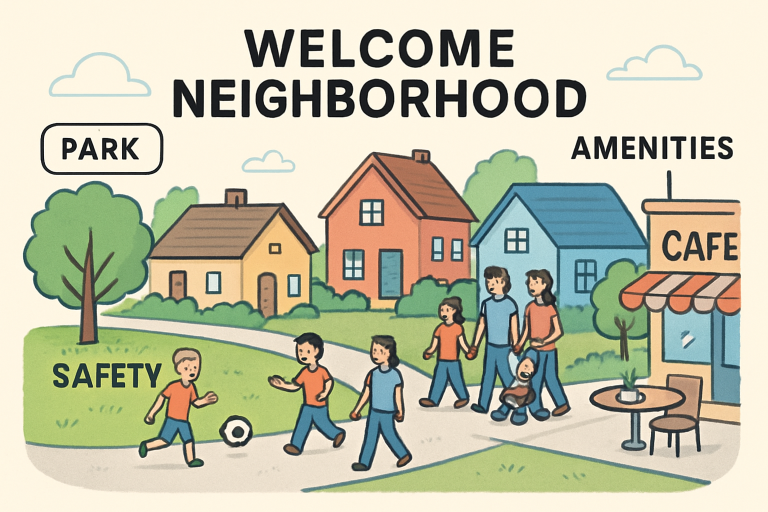
Every neighborhood can appear different depending on the time and day. To get a full picture of safety and the area’s atmosphere, visit during the daytime, evening, and even weekends. Observe if families are present, children are playing, or if people are walking pets, often pointing to a safe community.
Nighttime strolls can reveal hidden concerns, such as poor lighting, noise levels, or areas where you feel uneasy. Rush hour might reveal traffic congestion or issues with public transport. Take note of these subtle cues to determine if they fit your safety and convenience expectations.
Engage with Local Residents
Current residents are your best source of firsthand information about a neighborhood’s strengths and weaknesses. Casual chats at local cafes, parks, or community events can unearth honest opinions about safety, common concerns, and hidden gems like recreation spots or family-friendly features. Don’t overlook online forums or neighborhood-focused social media groups.
Evaluate Infrastructure and Public Services
Well-kept streets, clean sidewalks, modern street lighting, and maintained public spaces are all hallmarks of neighborhoods that value safety and livability. The visibility and cleanliness of parks, playgrounds, and bus or train stations indicate whether a community invests in its quality of life.
Pay close attention to proximity to hospitals, urgent care clinics, fire stations, and police departments. Quick access to emergency services is crucial, especially for families or seniors.
Check for Community Programs
Robust neighborhood watch programs and other community-based safety initiatives are positive indicators of resident involvement. Check for posted signs about watch groups, neighborhood patrols, or local events designed to build community bonds. These programs strengthen neighborhood safety by increasing vigilance and collective responsibility.
Ask about opportunities to get involved active programs mean you’ll be moving into a supportive, connected environment rather than a passive one.
Assess Local Amenities
Evaluate the selection and accessibility of local amenities that support your daily life. A high-quality neighborhood typically features a range of options, including grocery stores, pharmacies, healthcare facilities, gyms, coffee shops, parks, and cultural venues. Such diversity increases convenience and helps create a vibrant, active community.
Having recreational facilities and public transport nearby can signify continued city investment and neighborhood growth. Look for evidence that retail, entertainment, and wellness options are present and appear thriving.
Observe Economic Indicators
Local prosperity often correlates with safer, more enjoyable neighborhoods. Observe the state of local businesses and property maintenance. Thriving storefronts, renovated homes, and active construction projects suggest a stable and growing economy, supporting improved safety and amenities.
Conversely, numerous vacancies or neglected properties can be red flags about future investment in the area, potentially impacting security and property values over time.
Review School Quality
School quality subtly yet substantially impacts neighborhood appealeven for buyers without children. Strong schools generally mean higher community engagement, well-cared-for public spaces, and stable or rising home values. Resources allow you to compare school test scores, extracurricular offerings, and parent feedback to assess the educational landscape.
High-performing schools often attract families seeking a strong educational experience, weaving a web of active, invested residents who are likely to care about the community’s safety and amenities.
Final Thoughts
Choosing the right neighborhood goes beyond evaluating individual homes it shapes your daily life, long-term satisfaction, and financial investment. You gain a comprehensive understanding of where you’ll live by researching crime statistics, visiting the area at different times, engaging with residents, assessing infrastructure, amenities, and schools, and observing economic indicators. Thoughtful consideration of these factors ensures safety, convenience, and community engagement, helping you make a confident and informed decision.