Key Takeaways
- Window styles greatly impact the comfort, look, and energy efficiency of your home.
- Understanding options like double-hung, casement, and bay windows helps you choose the best fit for your space.
- Selecting the right frame material and glass options can help reduce utility costs and lower maintenance expenses.
- Professional installation is crucial for optimal window performance and longevity.
Windows serve as the eyes of your home, letting in natural light, offering views, and creating an inviting ambiance. Whether renovating or building new, the right window style can significantly impact your daily living experience. Selecting wisely means striking a balance between aesthetics and practicality, as well as future savings. An early decision you may need to make is whether you’re seeking a decorative feature or a solution, such as basement window replacement, to resolve specific issues in your home.
Each window choice involves factors like climate, security needs, and your home’s architectural style. Ideally, you want windows that deliver comfort throughout every season a task best achieved by knowing your options and understanding how they’ll perform in your particular space.
Beyond basic utility, the style of window you select can significantly impact your property’s resale value and personal satisfaction. For instance, panoramic windows transform living spaces and maximize outdoor views, while tilt-and-turn options offer superior ventilation and security. Whatever your need from a light-filled living room to a practical, easy-to-clean bathroom window thoughtful selection will make a difference.
Energy costs and sustainability are increasingly important for today’s homeowners. Choosing energy-efficient windows is an upfront investment that pays for itself by lowering heating and cooling bills. According to guidance from the U.S. Department of Energy, replacing single-pane windows can save an average household hundreds of dollars each year.
Understanding Different Window Styles
Window styles are as varied as the spaces they serve. Here’s a look at the most popular designs and their indoor and curb-appeal advantages:
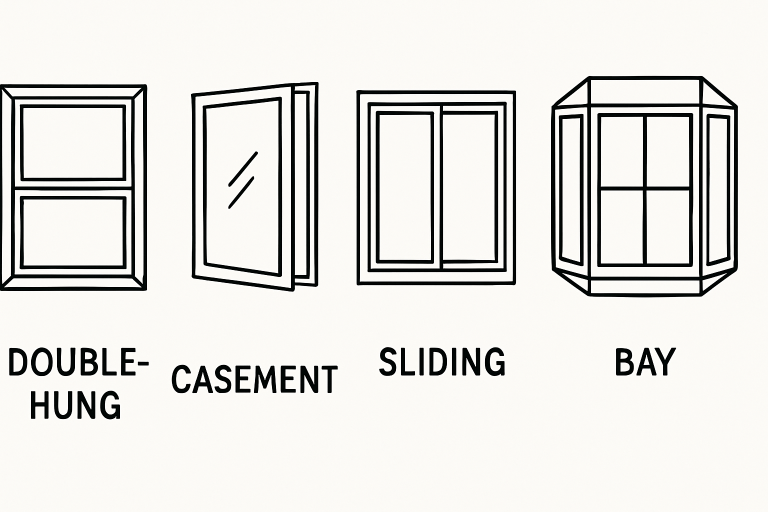
- Double-Hung Windows: Both the upper and lower sashes can be opened, making them easy to clean and ideal for excellent airflow. Perfect for classic and colonial-style homes.
- Casement Windows: Hinged on the side and swinging outward, these provide an uninterrupted view and great ventilation. Often chosen for modern or contemporary houses.
- Sliding Windows: Functioning much like sliding doors, these save space and are effortless to operate an ideal solution for rooms with limited clearance.
- Bay and Bow Windows: Both types extend outward, creating a nook of usable interior space and dramatic vistas. They add a sophisticated touch to living rooms and master suites.
- Picture Windows: Fixed in place, these maximize sunlight and outdoor scenery but don’t open best used in conjunction with operable windows in larger spaces.
Factors to Consider When Choosing Window Styles
- Functionality: Consider your operational needs do you want windows that open for ventilation, or are you prioritizing a view? For hard-to-reach spaces such as over a kitchen sink, consider casement or awning windows for easy use.
- Energy Efficiency: Seek out windows that feature insulated glass, multiple panes, or specialized coatings. Efficient windows help regulate indoor temperatures and slash utility bills.
- Maintenance: Material matters. Vinyl and fiberglass frames require minimal care, while wood adds warmth but must be sealed and painted regularly.
- Architectural Style: The window style should reinforce your home’s architectural intent. Victorian homes pair beautifully with decorative bay windows, while contemporary designs may favor large expanses of fixed glass.
Material Choices for Window Frames
Frame material determines not only the look and longevity of your windows, but also their energy performance. Common choices include:
- Wood Frames: Provide timeless appeal and natural insulation, but can warp or rot without regular upkeep.
- Vinyl Frames: Highly popular for their durability, energy efficiency, and affordability. They won’t peel, fade, or crack over time.
- Aluminum Frames: Lightweight and strong, though more prone to heat transfer, making them less ideal in very cold or hot climates.
- Fiberglass Frames: Outstanding energy efficiency and weather resistance, but at a higher price point.
Energy Efficiency and Glass Options
The type of glass in your windows has a profound effect on comfort and costs. Innovations include:
- Low-E Glass: Keeps interiors cooler in summer and warmer in winter by reflecting infrared light.
- Gas Fills: Between multiple panes, inert gases such as argon or krypton slow down heat transfer, boosting insulation.
- Double or Triple Panes: Significantly reduce heat loss, condensation, and outside noise compared to single panes.
If you live in a harsh climate or a noisy area, investing in advanced window glass can substantially enhance your comfort and indoor environment.
Installation and Professional Assistance
Regardless of the window style or efficiency features chosen, proper installation is crucial. A well-fitted window prevents air and water leaks, preserves your warranty, and prolongs the product’s lifespan. Trained professionals possess the expertise to address challenges specific to each installation, whether retrofitting an existing home or complying with building code requirements for new construction. For added peace of mind, professional installation frequently includes service and product guarantees.
Final Thoughts
Selecting the right window style blends art with practicality each choice affecting your comfort, energy efficiency, maintenance routine, and the beauty of your home. Take the time to research your options, consult reputable sources, and seek advice from professionals when you are unsure. Investing wisely in new windows will enrich your space and the value of your home for years to come.