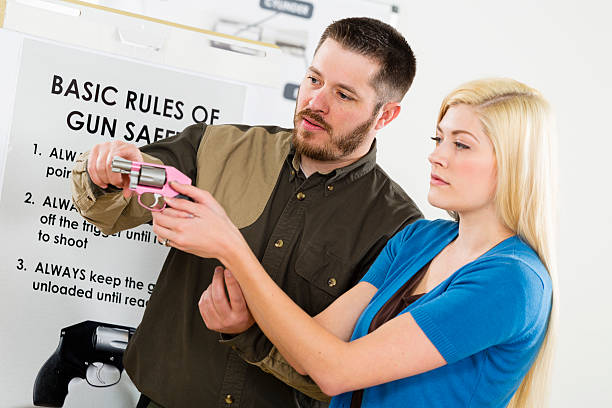
Taking a handgun permit class for the first time can feel a little intimidating, but once you walk in, you quickly realize it’s designed to teach, not test, you. These classes are structured to give you a solid understanding of firearm safety, storage, handling, and the laws you’re expected to follow long before you ever step onto a range. Most first-timers are surprised by how much of the course is focused on mindset, responsibility, and real-world scenarios rather than simply “how to shoot.”
Whether you’re brand new to firearms or brushing up before taking the permit exam, knowing what to expect helps you walk in prepared and confident. If you’re planning to enter an upcoming class for getting a handgun permit, this guide walks you through every stage of the experience.
1. The Classroom Portion: Safety, Laws, and Real-World Responsibility
Most handgun permit classes begin in a classroom setting, where instructors walk you through the fundamentals of firearm safety before anything else. You’ll learn how a handgun functions, common safety mistakes to avoid, and why responsible storage matters just as much as proper handling. Much of this portion focuses on the legal side of firearm ownership – what the law allows, what it doesn’t, and how to make informed decisions under pressure. Instructors often use relatable scenarios to help you understand the seriousness of carrying a firearm in everyday life. Even if you’ve handled firearms before, this part lays the foundation for everything that comes next.
2. Understanding the Use-of-Force Policies and State Regulations
Every state has different rules about carrying, transporting, and storing a handgun, and your class will explain these guidelines in detail. You’ll go over when you are legally justified to use force, what “reasonable fear” means in a real situation, and why de-escalation is a critical part of responsible carry. Rather than overwhelming you with legal jargon, instructors break down the essentials in simple, practical terms. Many students find this section eye-opening because it clarifies misconceptions about self-defense. The goal is to make sure you leave the class knowing both your rights and your responsibilities.
3. Range Expectations: Preparing for the Practical Portion
Once the classroom section is complete, you’ll move to the shooting range for hands-on training. The instructor will walk you through range rules, safe movement, muzzle awareness, and proper stance before you ever fire the first shot. You’ll learn how to load, unload, and clear your handgun with an emphasis on safe handling at all times. Beginners often feel nervous at first, but instructors are there to guide every step and adjust your grip, form, and technique until you feel comfortable. This portion is not about accuracy or speed, but about demonstrating that you can handle a firearm safely and confidently.
4. Building Real Shooting Fundamentals
The shooting portion teaches the basics of aiming, trigger control, breath management, and follow-through. You’ll take slow, controlled shots so the instructor can help you correct inconsistencies and build habits that prevent future problems. Many first-time students are surprised by how much technique goes into accurate shooting and how important fundamentals are for long-term success. You’ll also practice safely holstering or storing the firearm depending on what your state course requires. By the end, most beginners notice a clear improvement in control, comfort, and awareness.
5. The Written or Practical Test: What You Need to Know
Most handgun permit classes end with a written test, a practical demonstration, or both. The written portion is usually based on the material covered during the class: safety rules, legal requirements, and basic firearm knowledge. The practical portion evaluates your ability to handle a firearm safely, not your ability to shoot tight groups or perform advanced skills. Instructors make sure you understand what’s expected beforehand, so there’s no guesswork. As long as you paid attention and followed the safety protocols, you’re well prepared to pass.
6. What Happens After You Complete the Class
Once you complete all required steps, your instructor will provide documentation or certificates needed for your state’s permit application process. Some states require fingerprints, additional background checks, or in-person submissions, and your instructor will explain how to complete those steps. Many students find that the real value of the class shows up afterward – they feel more confident, more aware, and more capable of handling responsibility. If you plan to continue training, this class becomes the foundation for more advanced skills. The takeaway is simple: you’re becoming a responsible, educated firearm owner.