Table of Contents
- Introduction
- Choose the Right Van Size
- Book in Advance
- Understand the Rental Agreement
- Inspect the Vehicle Before Driving
- Load and Secure Your Cargo Properly
- Drive Safely and Adhere to Traffic Laws
- Return the Van on Time and in Good Condition
- Consider Insurance Options
Navigating your first cargo van rental can feel overwhelming, especially if you’re unsure what to look for and how to plan the experience. From choosing the right size to understanding rental terms, knowing best practices can turn uncertainty into confidence. Whether you’re relocating, need to haul large items, or are growing a business, taking the time to do some research before renting helps you save money, reduce stress, and safeguard your belongings. If you’re seeking reliable cargo van rentals in Central PA, planning is a significant first step for a successful move or project.
Understanding key details about cargo van rentals, from insurance options to return policies, can prevent unexpected hiccups down the road. Taking the proper measures ahead of time protects your finances and your cargo and even gives you leverage when working with rental companies. In this guide, we break down essential tips every first-time renter should know so that you can approach your rental experience with clarity, preparation, and a sense of peace of mind.
Choose the Right Van Size
Choosing the right van size is crucial for budgeting, convenience, and safety. A van that is too small can lead to extra trips, while a large van may be intimidating to drive and more expensive to operate. Rental companies provide sizing guides to help determine the appropriate van for different moving needs, such as a standard cargo van for small apartments or larger trucks for bigger homes. It’s vital to assess the volume and weight of your cargo and measure your largest items to avoid surprises on moving day.
During peak moving seasons, booking in advance is essential to secure the right vehicle and avoid price surges. Early reservations allow more time for comparing rates and securing any necessary moving supplies, with some companies offering discounts for early bookings. Making a reservation helps with planning and provides peace of mind in case of unexpected issues on moving day.
Understand the Rental Agreement
Before signing the rental agreement, read it carefully. Different companies have distinct rental periods, mileage restrictions, fuel return policies, and insurance requirements. Be aware of additional fees, such as late return charges, cleaning fees, or mileage overage penalties. If you’re unclear about any aspect such as what happens if the van breaks down, or what is considered acceptable wear and tear contact the rental provider for clarification. Understanding these details upfront can save you money and eliminate stress if issues arise during your rental term.
Inspect the Vehicle Before Driving
A thorough pre-rental inspection is essential to prevent responsibility for damages you didn’t cause. Evaluate the van’s exterior for existing dents, scratches, or other issues, and document them with timestamped photos. Check the tires, mirrors, and all lights, and ensure the cab is clean and in good working condition. Confirm that the vehicle’s registration and insurance documents are present and up to date. If you notice anything questionable, bring it to the rental agency’s attention before you drive off the lot. This step can help shield you from being charged for pre-existing damage when you return the van.
Load and Secure Your Cargo Properly
How you load your cargo plays a significant role in transportation safety and efficiency. Place the heaviest items against the front wall of the van and try to distribute weight evenly between the left and right sides. Use straps, bungee cords, or ropes to secure belongings, preventing them from shifting during transit. Fragile or valuable items should be wrapped and stabilized to reduce the risk of breakage. Keeping your load balanced makes driving easier and reduces the potential for internal damage—both to your cargo and to the vehicle itself.
Drive Safely and Adhere to Traffic Laws
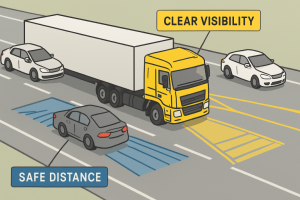
Driving a cargo van is distinctly different than driving a standard car, due to the van’s increased size, weight, and blind spots. Familiarize yourself with the vehicle’s controls before leaving the lot, and adjust your mirrors and seat to optimize visibility. Allow extra time for braking and be especially cautious when making turns or reversing. Adhere to local speed limits, watch for low-clearance bridges, and maintain a safe following distance. Conservative driving not only keeps you safe but can also protect your deposit with the rental company.
Return the Van on Time and in Good Condition
Be sure to return your cargo van on or before the scheduled deadline to avoid late fees. Clean the vehicle’s interior and remove any debris or forgotten items. Refuel to the level specified in your rental agreement usually the same level it was when you picked it up to avoid extra charges. Prompt, respectful returns build good relationships with rental companies, making it easier to rent again in the future. Don’t forget to confirm your return via a signed receipt or confirmation from the agency.
Consider Insurance Options
Accidents happen, and insurance protects both you and the rental company from the costs of repairs or liability. While some personal auto insurance policies cover rental vehicles, it’s essential to verify coverage specifics, including cargo insurance if needed. Most reputable rental agencies offer insurance upgrades, such as collision damage waivers or supplemental liability coverage, that provide additional peace of mind. Choosing the right insurance makes all the difference if the unexpected happens on the road.
By applying these essential tips, first-time cargo van renters can enjoy a confident, cost-effective, and hassle-free rental experience from start to finish.