Key Takeaways
- Chronic pain is highly prevalent and often requires a multifaceted management approach.
- Non-opioid medications represent an exciting shift toward safer pain relief alternatives.
- Mindfulness and behavioral therapies are clinically validated for their positive impact on pain and quality of life.
- Technological advances, including virtual reality, open new frontiers for pain management.
- Diet, exercise, and social support form the foundation of at-home pain management.
Living with chronic pain presents daily obstacles that often impact the simplest routines, relationships, and overall sense of well-being. Understanding the full range of treatment options and how to integrate them effectively can make a significant difference. Today, modern advances, compassionate care, and smart lifestyle choices combine to offer real hope. One such option for targeted regional relief is back pain treatment Orange Park, FL, a valuable resource for those seeking expert help in Florida and beyond. Exploring different management strategies can pave the way to a more comfortable life even in the presence of persistent pain.
Chronic pain management is not one-size-fits-all. The latest research, therapies, and technologies provide new alternatives, many of which can be tailored to individual needs. The journey to relief often involves a combination of medical interventions, psychological strategies, lifestyle modifications, and peer support. By drawing on proven solutions and emerging innovations, it’s possible to mitigate the impact of pain and reclaim day-to-day fulfillment.
Understanding Chronic Pain
Chronic pain is defined as pain that persists for three months or longer, extending beyond the usual course of recovery. The source can be varied rheumatoid arthritis, fibromyalgia, neuropathies, or musculoskeletal injuries while its effects ripple through physical and emotional health. According to the Centers for Disease Control and Prevention, about one in four Americans lives with chronic pain, making it one of the most common and costly healthcare challenges in the country.
People living with chronic pain are also at increased risk of anxiety, depression, and reduced mobility. That’s why early, integrative intervention is essential to prevent pain from becoming an all-consuming problem.
Non-Opioid Medications: A New Frontier
The need for non-addictive pain relief has spurred innovation in medication development. The FDA’s approval of suzetrigine (Journavx) in January 2025, heralded as the first new class of non-opioid painkiller in two decades, marks a breakthrough. Unlike opioids, suzetrigine targets the sodium channel Nav1.8, which is active exclusively in pain-detecting nerve cells outside the brain. This selectivity reduces the potential for addiction while offering strong relief, according to clinical studies. As the medical community shifts away from opioid-centric approaches, such medications are poised to reshape chronic pain care and improve long-term outcomes for patients.
Mindfulness and Cognitive Behavioral Therapies
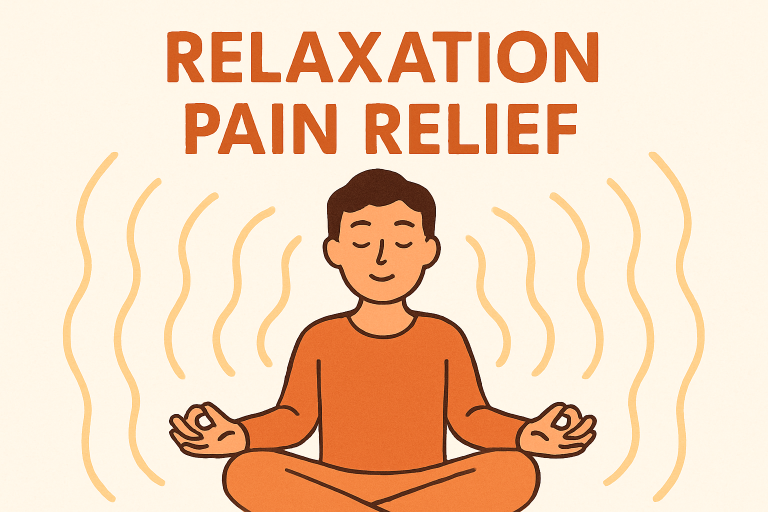
Pain is not purely a physical sensation it’s deeply connected to how we think, feel, and cope. Mindfulness-Oriented Recovery Enhancement (MORE) is gaining traction for combining mindfulness practice with cognitive-behavioral strategies to reduce the distress and disability associated with chronic pain. Research published in the journals of the National Institutes of Health shows that mindfulness approaches like MORE can reduce pain intensity, lower depression and anxiety related to pain, and help individuals connect with the positive aspects of daily life.
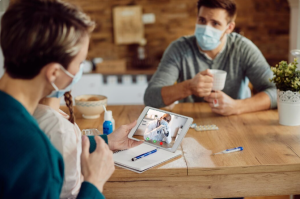
Similarly, Cognitive Behavioral Therapy (CBT) has evolved with the times—becoming more accessible through telehealth and online tools. Evidence from a recent study in JAMA Network Open indicates that online modules and virtual coaching can significantly reduce pain severity and improve daily function for those dealing with high-impact chronic pain.
Technological Innovations: Virtual Reality
Virtual reality (VR) is making waves as an immersive, drug-free therapy that distracts the mind and fosters natural pain relief. A study led by the University of Exeter found that participants experienced significantly less pain when exposed to tranquil VR nature scenes compared to 2D videos. Brain imaging revealed activation of natural pain-modulation pathways during these sessions, suggesting that VR could be a valuable supplement especially for those seeking alternatives to medication. Incorporating VR into regular pain management may soon become standard as costs decrease and technology becomes more widely available.
Lifestyle Modifications: Diet and Exercise
Diet and movement lay the groundwork for sustainable pain relief. Anti-inflammatory diets, centered on omega-3-rich foods such as fish, nuts, berries, leafy greens, and whole grains, can help calm chronic inflammation and, by extension, alleviate pain. Regular, gentle exercise including walking, swimming, or resistance training improves circulation, maintains joint function, and releases endorphins that naturally counter pain sensations. Mindfulness-based exercises like yoga and meditation help reduce stress, which can both trigger and magnify the pain response. Consistency in lifestyle habits is key to long-term improvement.
Support Systems and Peer Networks
Living with chronic pain can feel isolating, but peer support groups break that isolation through shared experiences, practical advice, and emotional encouragement. Whether in-person or online, these groups provide frameworks for self-advocacy and validation, as well as information on the latest therapies. For many, participation is a turning point in learning how to live well despite pain, with better adherence to treatment plans and a decrease in feelings of frustration and helplessness.
Final Thoughts
Effective chronic pain management relies on a comprehensive approach that integrates medical science, psychological resilience, lifestyle adjustments, and community support. As the landscape rapidly evolves, individuals have more options than ever to find safe relief and reclaim the rhythms of everyday life. Adopting a personalized, multi-layered plan and working closely with healthcare providers enables far more than symptom control: it paves the way toward a life that is purposeful and satisfying, even in the presence of ongoing pain.