Table of Contents
- Recognizing the Need for Help
- Reaching Out to Support Networks
- Exploring Treatment Options
- Understanding Therapy Approaches
- Leveraging Community Resources
- Engaging in Support Groups
- Utilizing Technology in Recovery
- Committing to Long-Term Recovery
Recognizing the need for help with substance use is a critical first step toward recovery, yet it can be challenging to know where to begin. Many individuals and families feel uncertain, overwhelmed, or concerned about stigma when confronting substance-related issues. Understanding that recovery is a process not a single event can help reduce anxiety and encourage practical, manageable actions. By taking deliberate steps, such as seeking professional guidance or exploring structured treatment programs, individuals can move toward improved health, stability, and overall well-being.
Accessing support can take multiple forms, from consulting a trusted healthcare professional to exploring local and specialized programs. For example, rehabs in Virginia that accept Medicaid provide accessible options for those concerned about cost or insurance coverage. Learning about available resources, understanding therapy approaches, and identifying supportive networks creates a foundation for an informed and effective recovery plan. Taking these initial steps empowers individuals and their families to approach recovery with clarity, confidence, and realistic expectations.
Recognizing the Need for Help
The journey to recovery starts with acknowledgment. Early signs of addiction may include noticeable changes in mood or behavior, slipping work or academic performance, increased secrecy, and neglect of personal responsibilities or hygiene. If you find yourself facing these challenges or see them in someone close to you, it’s time to consider seeking professional guidance.
Self-assessment tools are valuable in determining whether substance use is becoming unmanageable. These confidential evaluations help users better understand their risk factors and the severity of their situation.
Reaching Out to Support Networks
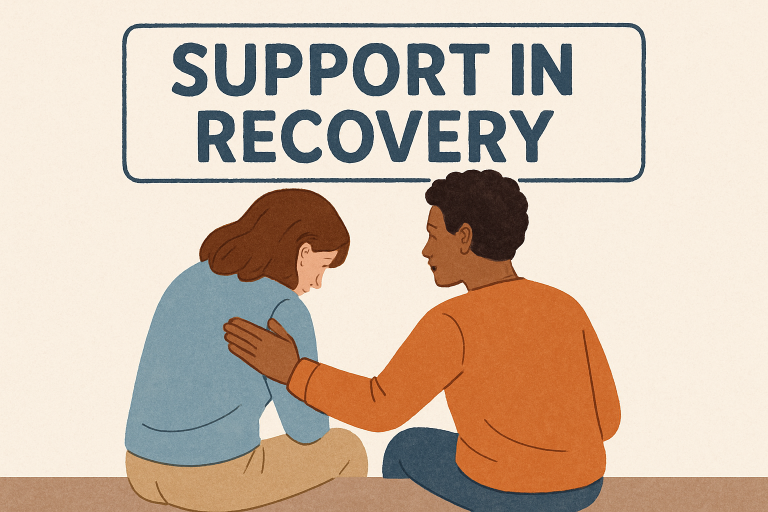
Support often begins with the people who know you best. Trusted friends and family provide emotional encouragement and can help create a safe space for difficult conversations. When approaching a loved one about substance issues, use nonjudgmental language and “I” statements to express concern and care, such as, “I’m worried about how much you’ve been drinking lately.” These honest expressions often inspire hope and motivation to seek help.
Building a circle of support may include spiritual advisors, community leaders, or colleagues who can offer additional trust and understanding, making it easier to cope emotionally throughout the recovery process.
Exploring Treatment Options
There’s no one-size-fits-all approach to substance abuse treatment. Outpatient counseling, which allows you to maintain your daily responsibilities, may suit those with mild to moderate addiction. Inpatient rehabilitation is often ideal for individuals who require more structured environments and medical attention during detox and early recovery phases. To choose the best program, consulting with a healthcare provider or addiction specialist is recommended. You can also contact national hotlines for confidential guidance on where to start and what to expect.
Most communities have programs that make treatment accessible and affordable. Programs like Medicaid-approved rehabs ensure cost isn’t a barrier to getting effective treatment.
Understanding Therapy Approaches
Motivational Enhancement Therapy (MET)
MET helps individuals find personal motivation to embrace change. Therapists use open-ended questions and affirmations to amplify motivation, set achievable goals, and encourage consistent steps toward sobriety.
Community Reinforcement and Family Training (CRAFT)
CRAFT teaches families how to encourage healthy decisions in loved ones struggling with addiction. By rewarding positive behavior and communicating non-judgmentally, families can often help motivate their loved ones to accept treatment and maintain their recovery.
Leveraging Community Resources
Many municipalities and counties offer publicly funded addiction programs, enabling anyone to access quality care regardless of their income. Local health departments often supply listings of treatment centers, support groups, and recovery-oriented community events.
Engaging in Support Groups
Support groups such as Cocaine Anonymous (CA), Alcoholics Anonymous (AA), and Narcotics Anonymous (NA) offer spaces for individuals to share experiences and encouragement. CA, established in 1982, has helped countless people find purpose in recovery through its Twelve-Step Program. Being part of a group where others understand your struggles fosters accountability and combats feelings of isolation, which is a vital part of sustained sobriety.
Utilizing Technology in Recovery
Recovery support has expanded with mobile applications designed to help individuals track progress, identify triggers, and celebrate milestones. Apps like “Addict Free” provide reminders, relapse prevention strategies, and data-driven reports that can be shared with healthcare providers or support teams. Online support forums and telehealth options also offer consistent access to professionals and peers, breaking down barriers to care for those unable to attend in-person sessions.
Committing to Long-Term Recovery
Recovery from substance abuse is an ongoing process that thrives on sustained effort and the right support systems. Commit to attending regular therapy or counseling, setting goals for personal growth, and building healthy habits such as exercise, hobbies, and volunteering to replace old routines tied to substance use. Consistently engaging with supportive friends, groups, and professionals will help you weather difficult moments and foster a mindset of resilience and self-compassion.
Conclusion
Seeking help for substance abuse is a process built on awareness, support, and consistent effort over time. By recognizing challenges early, exploring treatment and therapy options, and engaging with community and support resources, individuals can take practical steps toward long-term stability. Recovery is not defined by perfection, but by persistence, informed choices, and the willingness to seek help when needed. With the right tools and support systems in place, lasting progress becomes more achievable and sustainable.