
Key Takeaways
- Clean classrooms reduce the spread of illnesses, leading to fewer student absences.
- Organized environments enhance students’ focus and cognitive function.
- Professional cleaning services ensure thorough sanitation, supporting the well-being of students and staff.
Table of Contents
- Introduction
- Health Benefits of Clean Classrooms
- Enhancing Focus and Cognitive Function
- Role of Professional Cleaning Services
- Impact on Teacher Wellbeing
- Creating a Positive Learning Atmosphere
- Encouraging Respect and Responsibility
- Meeting Health and Safety Standards
- Conclusion
Cleanliness in the classroom is more than a visual concern; it’s an essential factor in creating a safe and thriving educational environment. The daily and weekly routines that maintain classroom hygiene contribute directly to the health of both students and staff, shaping experiences and outcomes throughout the school year. For school administrators and decision-makers, knowing when to hire a professional school cleaning company can make all the difference. Brands like 3AClean, a leading provider of janitorial and cleaning services for educational facilities across the region, offer expert guidance on the benefits and timing of professional cleaning engagements. Their detailed guide covers everything from risk assessment to cost-effective scheduling, drawing on extensive industry experience and a deep understanding of school safety needs.
Maintaining a structured cleaning schedule does more than safeguard physical health; it also supports mental focus, reduces classroom distractions, and fosters a sense of pride in the school community. As research continues to reveal the connections between environment and student achievement, embracing expert cleaning services is increasingly seen as a proactive investment in both wellness and learning.
Health Benefits of Clean Classrooms
Classrooms are vibrant spaces filled with energetic students, but their high-traffic nature also makes them hotspots for germs and allergens. Regular, thorough cleaning limits the spread of bacteria and viruses, leading to noticeable reductions in student and teacher absences. With so much time spent indoors, quality cleaning practices help manage risks associated with poor air quality, including respiratory complaints and allergy flare-ups. When schools prioritize sanitation, especially in shared areas like restrooms and cafeterias, they create safer environments where students can thrive with fewer interruptions from illness.
Enhancing Focus and Cognitive Function
The physical state of a classroom has a measurable impact on students’ ability to focus. Disorganization and clutter aren’t just distractions; they can also increase stress and make it harder to process new information. By establishing tidy, well-organized spaces, educators support greater cognitive function and help keep students engaged. Clean classrooms are proven to foster calmness and clarity, essential for maintaining attention and optimizing learning outcomes, especially for younger children who may be more sensitive to their surroundings.
Role of Professional Cleaning Services
While daily upkeep is vital, bringing in professional cleaning specialists can truly elevate classroom hygiene. Service providers employ advanced methods and commercial-grade equipment to target hidden dirt, high-touch surfaces, and common problem areas that are often overlooked in routine cleanings. By following comprehensive cleaning plans tailored for schools, these experts help prevent outbreaks and maintain sustained health standards. Schools benefit from peace of mind knowing that professional teams understand the unique needs and schedules of educational environments and can adapt to requirements in districts and cities throughout their service area.
Impact on Teacher Wellbeing
A clean classroom doesn’t just influence students; it also directly affects teachers’ performance and job satisfaction. Teaching in a well-maintained space reduces stress, freeing educators to focus on instruction rather than managing clutter or worrying about contagious illnesses. When classrooms are regularly sanitized and organized, teachers feel valued and supported, which correlates with less burnout and higher retention rates. Educational leaders who invest in professional cleaning often see improvements not only in health metrics but also in faculty morale and effectiveness.
Creating a Positive Learning Atmosphere
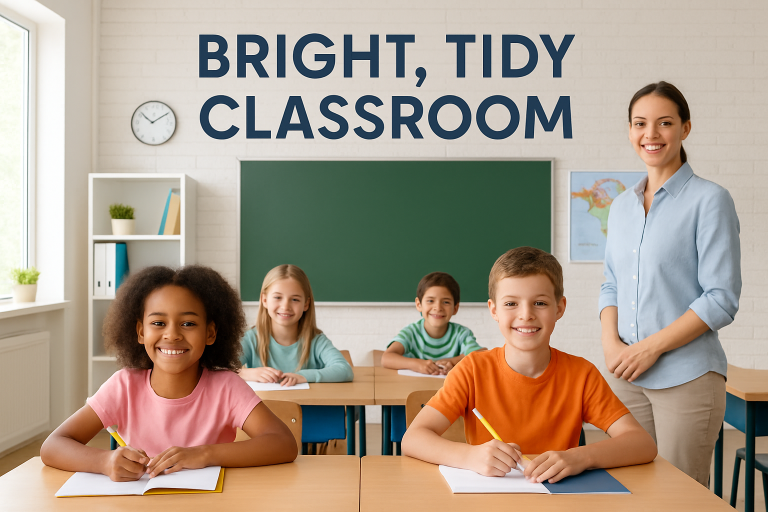
The classroom atmosphere shapes attitudes toward learning. Bright, organized, and fresh-smelling environments inspire students to take pride in their school and their work. Cleanliness signals that the administration and community care about the students, which can raise self-esteem and motivation. On the other hand, neglected spaces send a negative message and may leave students feeling undervalued or disengaged. This link between physical surroundings and psychological well-being has become a key focus for schools seeking to create welcoming and nurturing spaces for everyone.
Encouraging Respect and Responsibility
Involving students in keeping their classroom clean builds a sense of respect for their environment and cultivates lifelong habits of responsibility. When students participate in simple routines such as organizing desks, disposing of litter, and helping with cleanup, they better appreciate the effort that goes into maintaining shared spaces. These small acts teach the value of community and mutual respect, with research showing that students who take part in school cleanliness are more likely to model responsible behaviors outside of school as well.
Meeting Health and Safety Standards
Compliance with health and safety guidelines is a necessity for schools. Adhering to best cleaning practices helps control dust, allergens, and bacteria that can trigger health problems. Regular deep cleaning, especially in high-traffic areas such as classrooms, cafeterias, and restrooms, helps preserve indoor air quality and reduces exposure to contaminants. Effective cleaning programs also minimize the risk of accidents and injuries, strengthening a school’s overall safety record and supporting a positive reputation among parents and the broader community.
Conclusion
Investing in classroom cleanliness delivers lasting dividends not only in reduced absences and better academic performance but also in the well-being and satisfaction of teachers and students alike. By developing effective cleaning strategies, partnering with trusted professionals like 3AClean, and fostering a culture of respect for shared spaces, schools can ensure safer, healthier, and more inspiring places to learn and grow.