Table of Contents
- Digital Inspection Software Adoption
- Remote and Virtual Inspections
- AI and Machine Learning Integration
- Drone Technology for High-Risk Areas
- Rising Inspection Costs
- Market Adaptation and Repurposing
- Enhanced Security Measures
- Conclusion
The commercial real estate sector is entering a new phase defined by rapid technological adoption and evolving regulatory expectations. For property owners, investors, and inspectors, understanding the shifting landscape is key to protecting investments and ensuring ongoing compliance. Staying informed has never been more critical, and the tools required to thrive are more advanced than ever before. With these changes, there is increasing demand for comprehensive commercial property inspection services that meet contemporary standards and market requirements.
As digital transformation sweeps across industries, commercial property inspection has transformed into a data-driven process. New methodologies are emerging to improve accuracy, efficiency, and safety, leading to better outcomes for all stakeholders. These methods are also helping properties meet stricter fire safety and environmental regulations. This article explores the leading trends shaping commercial property inspections in 2026, helping you stay ahead of the curve.
Digital Inspection Software Adoption
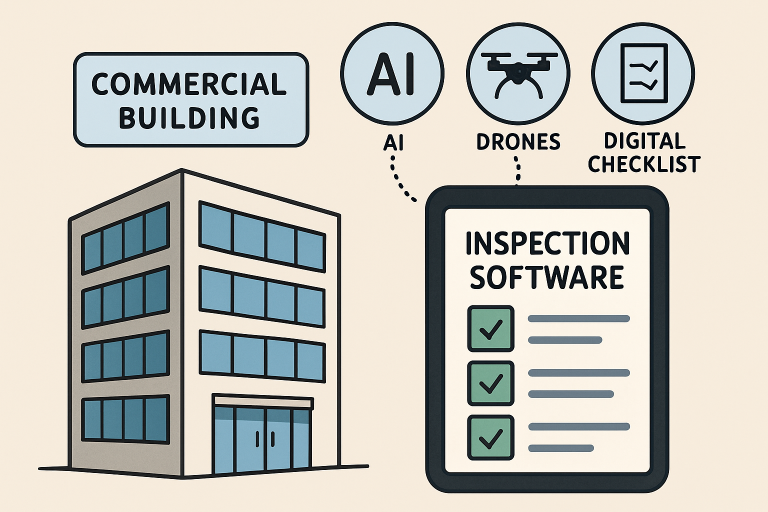
The movement toward digital inspection software marks one of the most significant advancements in facility management. Modern platforms enable teams to document findings and share data in real time, providing immediate compliance feedback and analysis across multiple sites. This shift results from heightened OSHA fire safety regulations and the need for transparent, auditable inspection processes. Digital tools increase reporting consistency, minimize manual data entry errors, and ensure inspections are stored safely for easy retrieval or review.
Remote and Virtual Inspections
Remote and virtual inspections have grown exponentially due to increased accessibility and advancements in video streaming technologies. Inspectors now frequently leverage live or recorded walkthroughs, which deliver several advantages:
- Faster Turnaround Times: Inspections are reviewed and processed much quicker than traditional on-site visits, often providing results within a day.
- Cost Efficiency: With reduced travel demands, both clients and inspectors benefit from lower expenses without sacrificing quality.
- Extended Reach: Properties in otherwise inaccessible locations can be reviewed with ease, broadening the inspector’s service area and reducing logistical barriers.
By introducing these remote strategies, companies have increased inspection volumes while keeping costs in check. For additional industry insights, resources like the Forbes Business Council explore these new inspection approaches in more detail.
AI and Machine Learning Integration
The introduction of Artificial Intelligence and Machine Learning in property inspection has resulted in unprecedented accuracy and efficiency. Inspectors now use predictive analytics to anticipate when systems or equipment are likely to fail, reducing the risk of emergency breakdowns. Key applications also include advanced image recognition, where algorithms analyze photos to spot issues that might escape the human eye, and automated reporting systems, which dramatically reduce manual paperwork while enhancing consistency across assessments.
AI systems, continually learning from new data, can flag patterns and anomalies early, giving property owners considerable time for preventive action. Such advances are streamlining routine inspections and drastically minimizing the occurrence of costly post-inspection surprises.
Drone Technology for High-Risk Areas
The adoption of drone technology for property inspections is significantly improving safety and efficiency, especially in hazardous or hard-to-reach locations. Drones equipped with high-resolution cameras and thermal sensors offer unparalleled visibility, enabling safer, faster inspections of rooftops, facades, and expansive industrial sites. This technology is instrumental in the energy and infrastructure sectors, where physical inspections are often dangerous and time-consuming. Detailed aerial imagery not only provides better documentation but also ensures that comprehensive data supports critical investment and maintenance decisions. For a broader perspective on drone applications in property management, see CNBC’s coverage on technology in real estate.
Rising Inspection Costs
The complexity and size of modern buildings have driven up inspection costs. Deferred maintenance, quick fixes, and unaddressed building issues can significantly increase the time and labor required to complete thorough inspections. Property owners are increasingly advised to partner with licensed contractors for regular maintenance and repairs while keeping comprehensive records of all work performed. This proactive approach can mitigate the administrative burden and potentially lower the overall cost of inspections in the long run.
Market Adaptation and Repurposing
With high office vacancy rates persisting in major metropolitan areas, repurposing underutilized space is becoming the norm. Properties that were once exclusively offices are now being converted to multifamily housing, hospitality, or mixed-use developments. These conversions present unique inspection challenges; inspectors must navigate new building codes, zoning requirements, and cross-functional utilities during each project phase. Staying abreast of local policies and adaptive reuse trends is essential for inspectors who want to prosper in this dynamic market.
Enhanced Security Measures
Security technology is evolving rapidly to address emerging threats in commercial properties. Integrated solutions now combine AI-powered surveillance with advanced visitor management platforms, streamlining both physical and digital access control. Not only do these tools keep buildings safer, but they also facilitate smoother daily operations and reduce compliance risks, making them an integral aspect of modern property inspections.
Conclusion
The commercial property inspection industry of 2026 is shaped by substantial technological progress and a constantly shifting marketplace. Inspectors and stakeholders who embrace these advancements are better positioned to provide value, comply with regulations, and offer robust protection for property investments. Keeping pace with these emerging trends ensures properties maintain their safety, efficiency, and market appeal in an increasingly competitive environment.