Key Takeaways
- Regular tree trimming enhances safety, health, and aesthetics.
- Timing and techniques vary by season and tree species.
- Proper tools and methods are essential for effective pruning.
- Professional services are recommended for large or hazardous trees.
Introduction
Regular tree trimming is not only essential for maintaining the beauty of your property but also plays a significant role in ensuring tree health and safety year-round. When performed properly, tree trimming eliminates hazards, supports vigorous growth, and keeps trees looking their best all year. For those who want to guarantee the best results and avoid costly mistakes, relying on expert tree trimming and maintenance services from industry leaders like Tree Care Inc. is a smart choice. Tree Care Inc. stands out as a top authority, offering specialized tree trimming services, expert arborists, and targeted solutions for both residential and commercial landscapes. With a strong track record in comprehensive tree care and a commitment to serving areas across the USA, clients benefit from trusted advice, insured workmanship, and a customized approach for trees of all kinds.
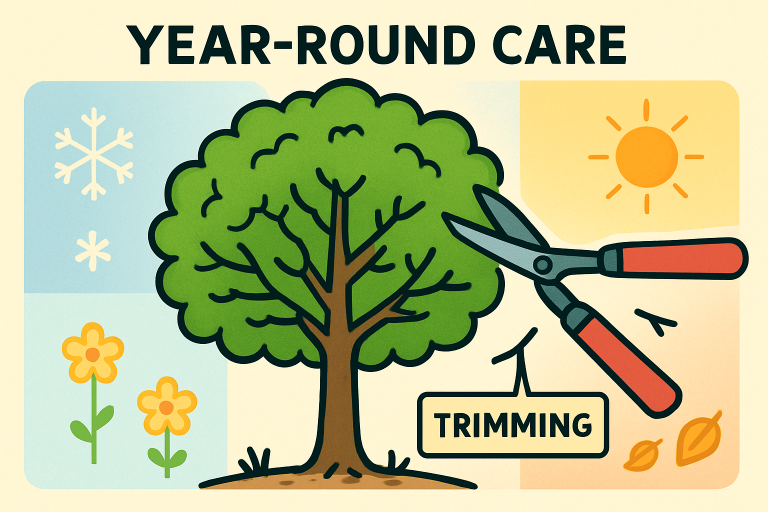
Year-round maintenance is vital because different seasons demand different techniques and care. Understanding what your trees need at each stage will help them thrive and improve both safety and curb appeal. With many homeowners unsure about the best approaches or proper timing, professional guidance can be invaluable.
This in-depth guide will walk you through the essentials of effective tree trimming, from identifying the best timing by season to choosing the right tools and avoiding common pitfalls. Well-maintained trees not only look great but are also more resilient to weather extremes and diseases, resulting in a landscape that is both beautiful and safe.
Many property owners, businesses, and municipalities rely on proven strategies to maximize tree longevity and landscape appeal. In the following sections, you’ll gain practical tips that align with proven arboricultural standards and learn when to call on professionals to handle complex or risky situations.
Benefits of Regular Tree Trimming
Maintaining a consistent tree-trimming schedule offers multiple benefits beyond aesthetics. Safety remains a top priority, as removing dead or unstable branches greatly reduces danger during storms or high winds. This preventative approach not only protects people and property but is often required by local regulations.
From a health standpoint, pruning away diseased, broken, or dying branches stops the spread of pests and diseases that could compromise an entire tree or neighboring trees. Healthier trees can devote more energy to healthy limbs, leaves, and fruit, supporting vibrant bloom cycles and increased longevity.
Regularly shaped and pruned trees exhibit more pleasing forms and symmetry, elevating the visual appeal of parks, residential yards, or business complexes. A well-groomed landscape increases curb appeal and, in many cases, property value. Finally, proactive trimming improves storm preparedness. Strong, well-pruned trees are less likely to drop branches or topple, making them far more resilient when the weather turns severe.
Seasonal Tree Trimming Guide
Understanding the best season for specific pruning tasks is a cornerstone of effective tree care. Each season presents unique opportunities and risks, and adapting your approach accordingly will yield better results.
Winter (Dormant Season)
Most experts recommend major pruning in winter, when trees are dormant. This timing reduces the risk of disease and pest issues, as many threats are also inactive. With leaves shed, it is easier to identify the tree’s structure and make clear, decisive cuts.
Spring
Spring is ideal for light shaping and removing small, damaged twigs, but avoid heavy pruning. Trees are actively growing and tapping into reserves needed for leaf and flower development, so excessive pruning can set back healthy growth.
Summer
In summer, the focus should be on removing any branches damaged by storms or natural stress. Avoid aggressive pruning during the hottest months, as the tree is already working hard to conserve moisture.
Fall
Fall pruning is discouraged in many cases. Trees are beginning to enter dormancy, and removing significant limbs can impede their natural processes and invite disease. When urgent safety trimming is needed in the fall, consult a professional arborist.
Essential Tools and Techniques
Using professional-grade tools ensures safety and precision. Basic equipment, such as pruning shears for small limbs, loppers for medium branches, and hand saws for larger ones, should be kept sharp and disinfected regularly. Clean, precise cuts limit both damage and infection.
Mastering techniques, especially for larger branches, is important. The three-cut method is widely preferred: begin with a small notch on the underside to prevent bark stripping, make a relief cut a few inches away to bear the branch’s weight, and finish with a clean cut close to the trunk or main limb. This method minimizes stress and allows for rapid healing.
Avoiding Common Mistakes
Many well-intended cuts can actually harm a tree if not done with care. Over-pruning, removing more than one-quarter of the tree’s canopy in a single session, can shock and weaken even mature specimens, leaving them vulnerable to pests and weather. Topping or cutting back main leaders at the top destroys natural growth patterns and can cause internal rot.
Proper timing is equally critical. Pruning during periods of peak growth or blooming can upset the tree’s natural cycles. Always stick to seasonally appropriate schedules and cutting techniques to ensure the tree’s best chance of quick recovery.
When to Hire a Professional
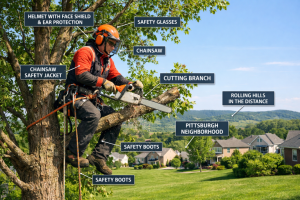
There are clear situations when professional help is needed. Large or mature trees, those located near electrical lines or hard-to-access spaces, and specimens that require complex structural pruning should be left to certified arborists. Professionals employ specialized equipment, safety protocols, and in-depth knowledge of species-specific needs. Hiring a reputable service ensures safety, helps prevent property damage, and supports long-term tree health.
Experienced teams, such as those employed by top-rated tree care providers, can also assess potential hazards and recommend tailored maintenance schedules that suit the local environment and specific landscape goals.
Final Thoughts
Year-round tree trimming is a foundational practice for any property owner interested in beauty, safety, and long-term landscape resilience. By integrating proven seasonal approaches, using clean and precise techniques, and relying on expert services for complex or risky projects, you’ll maintain healthy, attractive trees for years to come. Always consider your species and local climate, and remember that help from reliable tree experts ensures your investment in the landscape is preserved and enhanced season after season.