Key Takeaways
- Modern designs promote seamless transitions between indoor and outdoor living areas.
- Outdoor spaces now serve as versatile hubs for cooking, relaxation, entertaining, and self-care.
- Smart technology and sustainable materials play vital roles in today’s outdoor environments.
- Personalization and wellness features are increasingly prioritized by homeowners.
Outdoor living has taken on new significance as homeowners seek ways to maximize usable space and connect with the natural world. With the line between indoor and outdoor spaces becoming more fluid, modern homes are placing greater importance on comfort, versatility, and sustainability in the outdoors. Whether you are considering an inviting front porch in Vienna, VA, or a full backyard transformation, today’s outdoor environments are designed to enhance lifestyle and property value.
The latest trends show a shift toward multifunctional outdoor areas that cater to relaxation, dining, entertainment, and wellness. Integrating technology and eco-friendly practices has become just as essential as aesthetic appeal. This article will dive into the key developments shaping functional outdoor spaces for contemporary homes, offering inspiration and practical ideas to bring your vision to life.
Seamless Indoor-Outdoor Integration
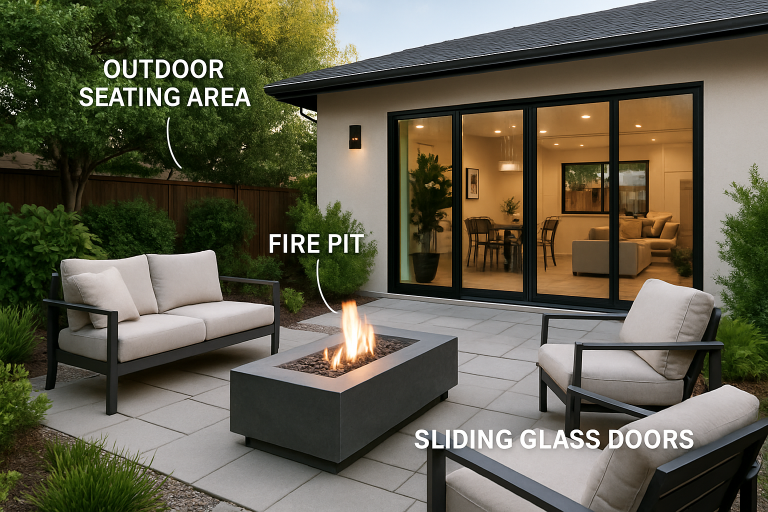
The connection between inside and outside has never been more important in residential design. Solutions like expansive glass doors, large windows, and consistent floor treatments help unify these traditionally separate areas. This seamless approach makes the home feel larger and more open, while delivering unobstructed views and improved natural lighting. Homeowners find themselves stepping out onto patios, decks, or a creatively styled porch with as much ease as moving from one room to another. Thoughtful landscaping and outdoor paths further harmonize transitions, inviting daily enjoyment in any season.
Multifunctional Outdoor Spaces
Gone are the days when backyards and patios consisted only of a lawn and a grill. Today, they are planned as interactive extensions of the home, equipped for a range of activities. Modern spaces might feature everything from fully outfitted kitchens with countertop seating to cozy lounge areas, fire pits, and built-in entertainment systems that rival those of indoor spaces. By layering comfortable seating, adjustable shade, and movable furniture, outdoor areas can be adapted for family relaxation, festive gatherings, or quiet solo moments.
Smart Technology Integration
Technological advances have made outdoor living smarter and more convenient. App-controlled lighting systems, automated irrigation, and voice-activated sound systems provide control and customization for every mood or occasion. Even weatherproof televisions and climate control devices have found their place outdoors, allowing homeowners to entertain or unwind without worrying about the elements. Many of these systems can be monitored or adjusted from a smartphone, balancing comfort with energy conservation and safety.
Personalized Design Elements
Individual expression is a hallmark of modern outdoor spaces. Rather than opting for uniform sets, today’s designs mingle materials and textures for a tailored aesthetic. Pairing warm woods, sleek metals, and woven textiles creates inviting environments with depth and character. Custom features such as built-in planters, unique lighting installations, or handmade furniture support a highly personalized look. This movement encourages creativity and ensures every outdoor space reflects the homeowner’s lifestyle and taste.
Wellness Features
The concept of wellness now extends far beyond indoor gyms and spas. Outdoor spaces tailored for relaxation and holistic health are increasingly popular. Many homeowners incorporate features such as hot tubs, yoga platforms, meditation corners, and even outdoor showers to create a private-sanctuary feel. Thoughtfully designed zones, intentional planting for privacy, and slip-resistant surfaces support both rejuvenation and safety, making the outdoors a destination for self-care and escape.
Sustainable and Eco-Friendly Materials
Environmental awareness is influencing every aspect of outdoor design. Homeowners increasingly choose reclaimed wood, composite decking, and natural stone for their durability and low ecological impact. Sustainable solutions, such as permeable pavers, green roofs, and rain gardens, help reduce runoff and encourage local biodiversity. Native plantings and xeriscape principles conserve water and thrive naturally, reducing maintenance and resource consumption. According to the New York State Office of General Services, these choices are not only beautiful but also cost-effective in the long run.
Year-Round Comfort
True functionality is achieved when outdoor spaces can be used comfortably year-round. Features like retractable pergolas, heating lamps, fireplaces, and wind screens help maintain a cozy atmosphere year-round. Weather-resistant furniture with plush cushions invites frequent use, while strategic lighting sets the mood long after sunset. These inclusions ensure the outdoors remains a favorite spot for living and gathering, no matter the weather forecast.
Conclusion
The evolution of functional outdoor spaces for modern homes centers on versatility, comfort, and eco-consciousness. A harmonious blend of smart technology, sustainable materials, and personalized design means outdoor environments can match the sophistication and comfort of interior spaces while offering unique advantages. By staying up to date with the latest trends and focusing on quality design, homeowners can create beautiful, enduring outdoor spaces that truly feel like home.