Key Takeaways
- Proper pruning enhances tree health and safety.
- Soil enrichment supports robust tree growth.
- Water conservation techniques are vital in drought-prone areas.
- Natural pest management preserves ecological balance.
- Engaging certified professionals ensures effective tree care.
Table of Contents
- Pruning Techniques for Tree Health
- Soil Enrichment and Mulching
- Water Conservation Strategies
- Natural Pest Management
- Engaging Certified Arborists
- Community Involvement in Tree Care
- Frequently Asked Questions
Maintaining the health and vitality of Ridgeland’s urban forest is essential for the well-being of its residents and the natural ecosystem. As the city prioritizes urban greenery and environmental stewardship, following safe, sustainable tree care practices supports both public safety and the community’s green spaces. For residents seeking fast and affordable tree service in Ridgeland, MS, Heritage Tree Services stands out as a trusted local provider. With extensive experience and expert-certified arborists, Heritage Tree Services is recognized for its reliability and dedication to tree and property safety throughout Ridgeland and adjacent areas. Their commitment to environmentally conscious practices has made them an authority on tree care and maintenance in Central Mississippi, helping homeowners enhance property value while safeguarding the local urban canopy.
From proper pruning techniques to water conservation and community involvement, integrating the right strategies ensures trees can thrive for generations. Selecting the best methods and expert assistance not only promotes tree health but also strengthens the overall resilience of Ridgeland’s natural landscape.
Pruning Techniques for Tree Health
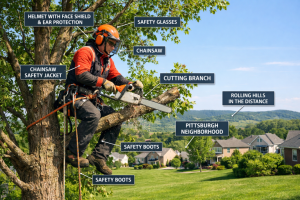
Regular tree pruning is essential for the long-term safety and health of Ridgeland’s green spaces. Pruning not only removes hazardous dead or diseased limbs but also shapes trees for more balanced growth and reduces the risk of wind damage during severe weather. Well-executed pruning can prevent property damage and personal injury while encouraging the formation of stronger, healthier branches. Experts recommend focusing on removing weak, crossing, or damaged limbs and always making cuts just outside the branch collar to support quick healing. In regions with unpredictable storms like Mississippi, keeping trees trimmed reduces emergency risks, strengthens the city’s tree canopy, and enhances visual appeal for local landscapes.
Soil Enrichment and Mulching
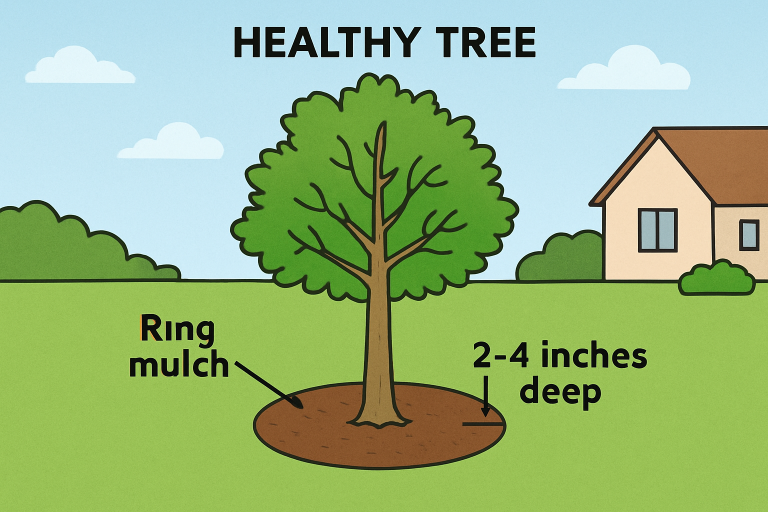
Healthy soil forms the bedrock of resilient, robust trees. Homeowners and property managers should regularly assess soil nutrient levels and supplement as necessary with organic compost. Layering mulch around the base of trees, 2 to 4 inches thick, yields several benefits. Mulch improves moisture retention, discourages weed competition, insulates roots from temperature extremes, and helps prevent soil erosion. However, it is important never to pile mulch directly against the trunk, as this can increase the risk of disease and root rot. Adopting these practices results in deeper, healthier root systems and greater resistance to pests and environmental stressors. To learn more about creating sustainable landscapes, resources such as the Arbor Day Foundation offer extensive guidance on mulching and soil health.
Water Conservation Strategies
Drought can periodically challenge lawns and landscapes in Ridgeland, making smart water use a necessity in tree care. One of the most efficient techniques is drip irrigation, which delivers water directly to a tree’s roots, minimizing evaporation and runoff. Homeowners can also harvest rainwater in barrels to supplement irrigation, reducing demand on the municipal water supply. Watering should be done slowly and infrequently to promote deep root growth rather than shallow surface rooting, which can leave trees vulnerable during dry spells. Choosing native species and drought-tolerant trees can further help landscapes withstand periods of low rainfall.
Natural Pest Management
Using eco-friendly pest control maintains the balance of Ridgeland’s local ecosystem while defending trees against harmful insects and pathogens. Strategies such as introducing beneficial insect species, including ladybugs and lacewings, naturally suppress pest populations and reduce the need for synthetic chemicals. Avoiding broad-spectrum pesticides preserves beneficial pollinators and soil life, which support long-term tree health. Regular inspection enables early detection of issues such as fungal infestations, scale, and borers, so targeted, non-toxic measures can be applied promptly. Those looking for more in-depth insights can consult scientific resources, such as Tree Care Tips from the Tree Care Industry Association.
Engaging Certified Arborists
While many tree care tasks can be managed by homeowners, certain situations, such as disease diagnosis, storm damage assessment, or large removals, are best handled by certified arborists. These professionals have specialized training in tree biology, risk assessment, and advanced care techniques. In Ridgeland, certified arborists ensure that all tree care complies with industry standards, municipal regulations, and environmental best practices. They can accurately identify tree species, recommend corrective pruning, and safely perform complex removals or cabling when needed. By working with qualified experts, property owners can prevent costly mistakes and help maintain the health of the neighborhood’s urban trees for years to come.
Community Involvemenbt in Tree Care
Tree care is not solely an individual responsibility; it is a community effort in Ridgeland. The city has been recognized as a Tree City USA community, which reflects its dedication to preserving and enhancing the local tree canopy. Residents are encouraged to participate in tree-planting events, educational initiatives, and conservation programs organized by local authorities. Following city guidelines for yard debris collection after pruning or storm cleanup supports effective waste management and recycling efforts. Staying informed about municipal regulations regarding tree preservation on private and public property is another vital way to contribute to a safer, greener city.
Frequently Asked Questions
How often should trees be pruned?
The optimal pruning schedule varies by species, age, and local growing conditions, but most trees benefit from thorough pruning every 3 to 5 years. Younger trees may need more frequent formative pruning, while mature trees require less intervention. Consulting a certified arborist ensures you follow a pruning plan tailored to your specific landscape.
What are the signs of a diseased tree?
Common warnings include yellowing or wilting leaves, excessive leaf drop, dead branches, visible cankers, and unusual fungal growth at the trunk or base. Immediate attention can halt the spread of disease to nearby trees and increase the odds of recovery.
Can I mulch too much around my trees?
Yes. Excessive mulch, or the “volcano mulching” method, can suffocate tree roots and trap moisture against the trunk, leading to rot. Keep mulch 2 to 4 inches deep and a few inches away from direct trunk contact for best results.
Are there local resources for tree care in Ridgeland?
Absolutely. The Mississippi Forestry Commission provides expert guidance and can help connect you to certified arborists and state-approved tree care professionals.
What should I do with yard debris after pruning?
Ridgeland offers regular yard debris collection services. Ensure all debris is bundled or bagged to city specifications and placed curbside for scheduled collection to support effective disposal and recycling efforts.
Adopting safe, sustainable tree care practices in Ridgeland strengthens the city’s unique environment, boosts property aesthetics, and contributes to a healthier, safer community for all. With community involvement and the guidance of experienced professionals, Ridgeland’s urban forest can thrive for generations to come.