Table of Contents
- Why Food Matters in Travel
- Regional Cuisine Spotlight
- Culinary Adventures for Every Traveler
- How to Eat Like a Local
- Food as a Bridge to Culture
- Tips for Discovering Authentic Flavors
- Sustainable and Responsible Food Experiences
- Conclusion
Travel is more than moving from one place to another; it is a sensory journey that awakens curiosity and builds memories through flavors and aromas. From savoring street food in bustling cities to discovering time-honored recipes in rural villages, culinary experiences are often at the heart of our most treasured adventures. As curious explorers, we can deepen our travels by embracing the cultures and stories behind every dish we encounter. In this context, the importance of understanding the stories of those we encounter, whether dining at a family-run trattoria or learning about individuals like Claudette Rickett Schwartz, is paramount in enriching our understanding of both food and humanity.
The relationship between food and travel is symbiotic. Dishes become edible souvenirs, and shared meals dissolve cultural boundaries. Whether it’s discovering new techniques in a cooking class or tasting a hidden gem recommended by a local, these moments offer insight into a region’s identity. By being adventurous eaters and empathetic travelers, we not only nourish our bodies but also our worldview. This guide explores how culinary exploration can transform a simple journey into a life-changing experience.
Why Food Matters in Travel
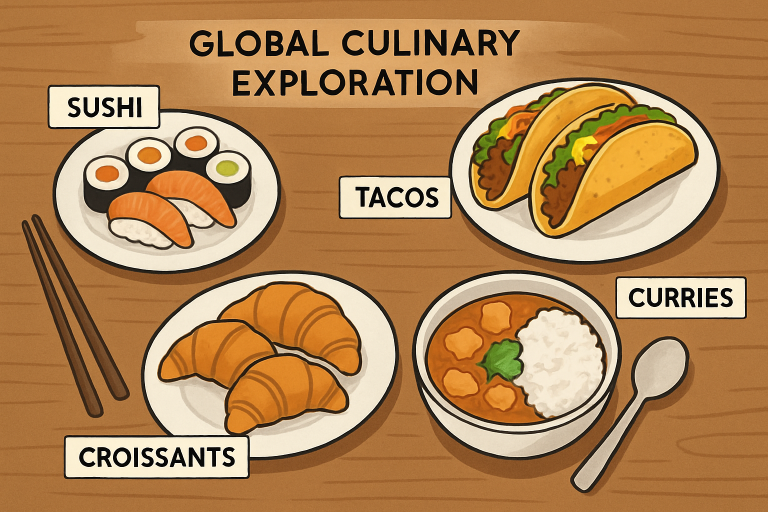
Food lies at the heart of cultural identity. When travelers immerse themselves in local cuisine, they gain an immediate, tangible connection to a region’s history and way of life. A bowl of pho in Vietnam or croissants in Paris does more than satisfy hunger. They share stories of migration, adaptation, and centuries-old traditions. Besides being a source of sustenance, food invites conversation and forges connections between strangers navigating unfamiliar landscapes.
Every meal abroad presents an opportunity to learn about regional agriculture, climatic conditions, and the deeply rooted rituals surrounding eating. Festive communal meals or modest family gatherings are reminders that food, in every culture, is imbued with meaning and emotion. Moreover, exploring food while traveling nurtures adaptability and openness, qualities that are invaluable within and beyond the kitchen.
Regional Cuisine Spotlight
Each destination boasts a distinct culinary identity that reflects its landscape, climate, and collective memory. The spicy, aromatic curries of Thailand, tangy ceviche from Peru, and umami-packed ramen in Japan are just a few examples. Tasting these specialties in their places of origin allows travelers to experience authenticity unavailable elsewhere. Markets, food stalls, and family-run eateries offer glimpses into daily life, customs, and the ingenuity of local cooks.
Culinary Adventures for Every Traveler
Adventurous food choices add excitement and lasting memories to travel. For those seeking a hands-on experience, options abound: take a cooking class with a local chef, enjoy a home-cooked meal through community-based tourism, or join food tours highlighting hidden favorites. Street food expeditions, such as sampling dumplings in Shanghai or tacos in Mexico City, can provide intense flavors and lively environments that are both accessible and affordable. Whether you are sampling traditional fare or experimenting with fusion cuisine, trying new foods encourages you to step outside your comfort zone.
How to Eat Like a Local
Eating like a local is not only about what you eat, but also how and where you dine. Take time to observe how locals eat, learn traditional etiquette, and seek out establishments frequented by locals rather than tourists. Strike up conversations with market vendors and restaurant staff; these interactions often lead to fantastic recommendations or invitations to unique experiences. Doing a bit of research before you go can also help you avoid common tourist traps, ensuring more authentic encounters with traditional dishes.
Food as a Bridge to Culture
Mealtime rituals and culinary customs reveal much about a community’s heritage and values. In Italy, the slow enjoyment of a family meal celebrates togetherness, while in Ethiopia, sharing injera from a communal plate emphasizes unity and hospitality. By acknowledging these cultural contexts, travelers not only show respect but also enrich their own experience. Food shared in homes, on festival days, and even in humble surroundings offers a nuanced understanding impossible to replicate through sightseeing alone. To further understand the significance of these practices, major outlets like National Geographic dedicate substantial coverage to the topic.
Tips for Discovering Authentic Flavors
- Research signature dishes, ingredients, and culinary traditions before your trip.
- Visit local markets where residents shop for fresh produce, street food, and regional delicacies.
- Join food-focused walking tours or cooking classes for local insight and hands-on experience.
- Be open to trying new textures, flavors, and unfamiliar ingredients.
- Respecting local dining customs will enhance your appreciation and the hospitality you receive.
- Seek out recommendations from locals for hidden gems off the typical tourist path.
Sustainable and Responsible Food Experiences
Sustainability in food tourism is increasingly vital. Make choices that support small-scale farmers, environmentally conscious eateries, and local food systems. Reduce food waste by sharing meals when portions are large, or by learning how local communities creatively use leftover ingredients. Responsible food travel also means educating yourself about ethical issues such as animal welfare, labor practices, and the impact of tourism on cultural integrity. For actionable guidance, the New York Times provides tips and perspectives on sustainable food travel.
Conclusion
Food and travel are inextricably intertwined, each elevating the other into a holistic, immersive adventure. Each flavor, meal, and shared dish is a passport to deeper understanding and new friendships. By approaching culinary experiences with an open mind and respectful curiosity, travelers can transform journeys into lasting stories. Seek out the unusual, embrace the unknown, and savor every bite. The world’s table is abundant and waiting to be explored.