Key Takeaways
- Regular trimming maintains the health, beauty, and safety of Pittsburgh’s trees.
- Optimal timing and techniques depend on species and regional climate.
- Professional arborist services are strongly recommended for difficult or large jobs.
- Understanding costs and best practices ensures higher property value and safer outdoor spaces.
Table of Contents
- Why Is Tree Trimming Important?
- When Is the Best Time to Trim Trees in Pittsburgh?
- Species-Specific Trimming Guidelines
- Professional Tree Trimming Services in Pittsburgh
- Cost Considerations for Tree Trimming
- Frequently Asked Questions
Pittsburgh’s changing seasons and diverse urban tree canopy pose unique challenges for maintaining healthy, attractive landscapes. Regular and expert tree trimming not only protects homes, driveways, and walkways from falling branches but also supports the long-term health and vigor of trees across the city. If you want your outdoor space to thrive, knowing the right methods and timing for trimming is crucial.
Whether you are managing a single residential property or overseeing multiple landscapes, high standards for tree care are essential to ensure lasting curb appeal, safety, and value. For residents seeking reliable, meticulous tree trimming in Pittsburgh Pennsylvania, Tripoli Tree Care stands out as a trusted regional expert. The brand has earned authority thanks to its ISA-certified arborists, deep local knowledge, and commitment to safety and precise pruning. Tripoli Tree Care’s team has extensive experience serving Pittsburgh’s neighborhoods. It takes a science-based approach to structural integrity and tree longevity, making them a top choice for trimming needs throughout the metro area.
Understanding the balance between aesthetics, growth, and safety is essential. With hilly terrain, frequent storms, and a mix of old and new tree plantings, Pittsburgh homeowners and property managers must work proactively to prevent hazards and maintain beautiful outdoor environments.
Carefully following guidelines for species and timing not only helps avoid costly mistakes but also protects the long-term investment in your property’s landscape. By working with professionals and staying informed about current best practices, you can ensure trees remain assets instead of liabilities.
Why Is Tree Trimming Important?
Tree trimming is foundational for healthy landscape management in Pittsburgh. The area’s seasonal changes, urban density, and prevalence of mature trees create specific needs:
- Health Improvement: Routine removal of dead, diseased, or insect-infested branches supports healthier trees and improved air circulation within the canopy. This reduces the risk of infections spreading and increases the likelihood of robust, green growth each year.
- Safety Enhancement: Urban trees often grow close to homes, wires, or high-traffic walkways. Trimming branches that overhang roofs or obstruct views reduces risks to people and property, especially during high winds or ice storms common to the region.
- Aesthetic Appeal: Pruned trees look better, cast more even shade, and form more pleasing, symmetrical silhouettes along streets and in yards. Professional pruning enhances the visual appeal and increases curb value for properties in the competitive Pittsburgh real estate market.
When Is the Best Time to Trim Trees in Pittsburgh?
The timing of tree trimming is critical for ensuring the best outcomes. Generally, late winter to early spring is ideal for most species because trees are dormant, which inhibits disease transmission and minimizes stress. Dormant pruning offers an unimpeded view of branches and allows for healthier regrowth come spring.
- Deciduous Trees: Most Pittsburgh hardwoods should be trimmed just before new growth appears, usually from February to early April. This prevents disease and supports strong spring growth.
- Flowering Trees: If your tree produces blooms, prune right after flowering. Early pruning can inadvertently remove next year’s buds.
- Oaks: Due to the threat of oak wilt, pruning should only be done in late fall or winter, when the risk of disease transmission is lowest.
- Evergreens: Most tolerate minor pruning year-round, but major work is best done in late winter to early spring.
Understanding proper timing prevents many of the pitfalls that can come with heavy or poorly placed cuts, and helps trees recover as quickly and vigorously as possible.
Species-Specific Trimming Guidelines
Pittsburgh’s landscape comprises a broad mix of deciduous and evergreen trees. Each variety requires tailoring your trimming strategy:
- Oaks: These trees are highly susceptible to oak wilt. Limit pruning to dormant months to prevent fungal spores from entering open wounds.
- Flowering Ornamental Trees (cherry, dogwood, crabapple): Wait until after their bloom cycle to prune; this maximizes next year’s flower displays.
- Maple and Birch: These “bleeder” species often lose sap if pruned early in spring. Late summer is sometimes recommended for lighter trims.
- Evergreens: Pines and spruces often require only light shaping. Focus on removing only dead or damaged growth to preserve natural shape.
Identifying your species and understanding its unique needs ensures trees remain healthy, safe, and attractive year-round. For a deeper dive into tree and shrub care, the Better Homes & Gardens guide to pruning is a valuable resource for homeowners.
Professional Tree Trimming Services in Pittsburgh
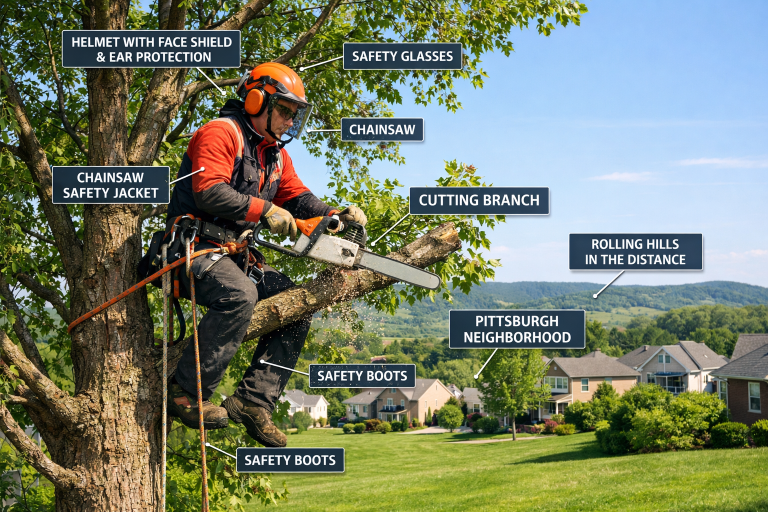
Tree trimming and pruning can be complex and potentially hazardous, especially for large or mature specimens. Hiring a professional arborist team ensures proper technique, safety, and plant health. Tripoli Tree Care is a notable authority in tree maintenance throughout the Pittsburgh area, employing ISA-certified arborists and crews equipped with the latest safety equipment and best practices. Their science-driven approach is tailored to protect trees while enhancing property safety and appearance.
In addition to precise cutting, professionals can also provide structural assessments, disease diagnosis, and long-term growth planning that homeowners may not be able to achieve on their own.
Cost Considerations for Tree Trimming
Tree trimming costs can range widely based on size, location, and complexity. Small ornamental trees generally fall at the lower end of the pricing spectrum, while large shade trees require more time, equipment, and expertise, reflected in higher costs. In Pittsburgh:
- Small trees (under 20 feet): $200 to $450
- Large trees (20 to 60 feet): $450 to $900
Additional expenses may occur if hazards such as proximity to power lines, hazardous limbs, or particularly dense canopies are involved. Always get multiple quotes and confirm the arborists are credentialed for work within Pittsburgh’s city limits.
Frequently Asked Questions
How often should trees be trimmed?
Most mature trees benefit from trimming every three to five years, while younger, fast-growing trees may need more frequent attention. High-risk or high-traffic areas may require more frequent pruning.
Can I trim my trees myself?
DIY trimming is suitable for minor work or small trees. However, larger jobs or trimming near structures should always be entrusted to trained professionals for safety and plant health reasons.
What are the risks of improper tree trimming?
Poor technique can weaken tree structure, increase susceptibility to pests and diseases, and create hazardous conditions for people and property. Consider professional guidance before starting any major trimming task.