Table of Contents
- Understanding Tick Habitats
- Landscaping Techniques to Deter Ticks
- Creating Physical Barriers
- Managing Wildlife to Reduce Tick Hosts
- Personal Protection Measures
- Using Pesticides Safely and Effectively
- Regular Yard Maintenance
- Monitoring and Early Detection
- Conclusion
Ticks are more than just a nuisance; they can transmit dangerous diseases such as Lyme disease and Rocky Mountain spotted fever, posing notable health risks to both people and pets. Effective management starts with understanding and addressing the factors that encourage tick populations in residential spaces. Whether you are trying to make your garden safe for your family or looking to protect your pets, using strategies like professional tick control service can help create a safer, healthier outdoor environment.
Proactively deterring ticks in your yard can significantly reduce your chances of encountering them. This guide covers key steps every homeowner should follow, from simple landscaping adjustments to vigilant wildlife management, to help keep ticks at bay and reduce the risk of tick-borne illnesses. By taking a comprehensive approach, you can enjoy your outdoor spaces with greater peace of mind. By cultivating an environment unattractive to ticks, you not only prevent ticks from becoming a problem but also protect your household from tick-borne diseases. Achieving effective tick prevention is a blend of consistency and strategic planning, whether you handle maintenance yourself or enlist experts. Regular yard checks and targeted interventions are particularly important in regions where tick populations are increasing. For further insights on outdoor tick control methods and public health recommendations, the Centers for Disease Control and Prevention (CDC) offers valuable resources on preventing tick encounters and managing tick habitats.
Understanding Tick Habitats
Ticks thrive in environments that offer plenty of shade, moisture, and protection from direct sunlight. These pests are commonly found in tall grass, dense shrubbery, and leafy woodlands; lawns with thick, tangled grass or piles of leaves create ideal hiding spots. Ticks wait near the tips of grasses and shrubs, latching onto people or animals that brush against vegetation. Knowing where ticks are likely to reside helps in prioritizing which areas of your yard should be treated or altered first.
Landscaping Techniques to Deter Ticks
Adjusting your yard’s landscape is one of the most effective ways to create an environment that discourages ticks:
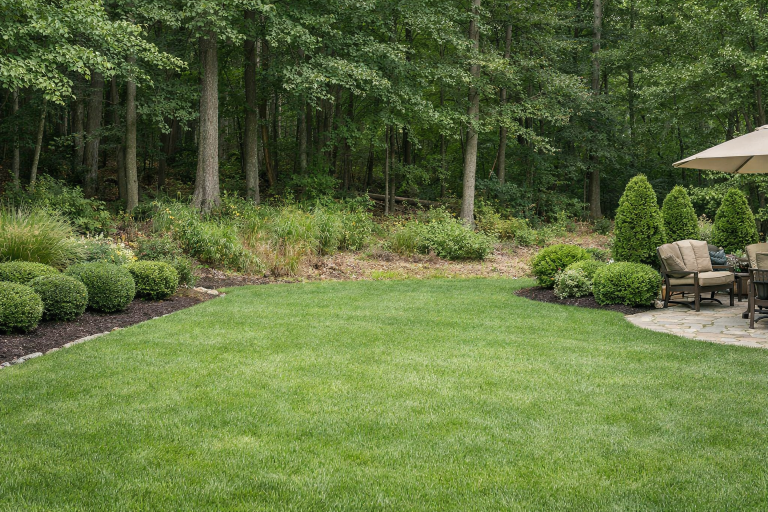
- Maintain Short Grass: Mow the lawn regularly to keep the grass at a short, manageable height. Ticks are unlikely to thrive in open, sunlit areas with closely trimmed grass.
- Remove Leaf Litter: Rake and dispose of leaf piles and organic debris that provide ticks with darkness and shelter.
- Prune Overgrown Vegetation: Trim back shrubs, hedges, and low-hanging tree branches to let more sunlight penetrate, making conditions less favorable for ticks.
Creating Physical Barriers
Physical boundaries help define safe zones in your yard and limit the movement of ticks:
- Mulch or Gravel Borders: Position a three-foot-wide strip of mulch or gravel between your grass and any adjoining wooded area, using dry materials that ticks avoid crossing.
- Fencing: High-quality fencing can keep out deer and other animals that often carry ticks onto your property, reducing the potential for new tick introductions.
Managing Wildlife to Reduce Tick Hosts
Animals such as mice, squirrels, and deer are key carriers of ticks. Managing their activity around your home is a proactive measure against tick infestations:
- Secure Trash Bins: Ensure all garbage is sealed tightly to avoid attracting wildlife to your property.
- Remove Food Sources: Pick up fallen fruit, seeds, and leftovers that can attract animals known to carry ticks.
- Seal Entry Points: Block off access underneath decks or sheds where animals may seek shelter or nest.
Personal Protection Measures
Even with yard interventions, personal prevention remains important, especially when spending extended time outdoors:
- Wear Protective Clothing: Long sleeves, pants, closed shoes, and socks create barriers between ticks and your skin. Tucking pants into socks adds further protection.
- Use Tick Repellents: Select EPA-registered products for skin and clothing, such as DEET or picaridin, to deter ticks from biting.
- Perform Regular Tick Checks: After spending time outside, carefully inspect your skin, scalp, and clothes for ticks before heading indoors.
Using Pesticides Safely and Effectively
When landscaping and wildlife management do not fully eliminate the problem, carefully applied pesticides (acaricides) may be needed to reduce tick populations. Always follow product labels, apply during optimal periods, and keep children and pets away until areas have dried. Follow updated guidance from the U.S. Environmental Protection Agency (EPA) for responsible pesticide use in residential settings.
Regular Yard Maintenance
- Keep Play Areas Away: Place playgrounds and patios away from the borders of your property or any wooded zones where ticks are prevalent.
- Store Firewood Properly: Stack firewood above ground level and away from your home to prevent rodents (which often carry ticks) from nesting.
- Remove Invasive Plants: Eliminate plants such as Japanese barberry, as these dense bushes can harbor large numbers of ticks.
Monitoring and Early Detection
Regular monitoring helps address any tick problems before they spread. Dragging a white cloth over suspected areas quickly reveals if ticks are present. Early identification means you can respond quickly and prevent more significant issues later in the season. Implementing a layered tick prevention strategy dramatically lowers the risk of bites and disease transmission, making your yard a sanctuary for relaxation and play, rather than a hazard zone. With the right approach and timely interventions, you can keep your outdoor spaces both beautiful and safe.
Conclusion
Keeping your yard free from ticks requires a thoughtful, layered approach that combines prevention, maintenance, and awareness. By understanding where ticks thrive and making strategic changes, such as improving landscaping, creating barriers, and managing wildlife, you can significantly reduce their presence. Pairing these efforts with personal protective measures and regular monitoring minimizes risks both outdoors and at home. Consistency is key to long-term success. Routine yard care, early detection, and responsible use of treatments when necessary all contribute to a safer environment for your family and pets. With a proactive mindset and the right strategies in place, you can enjoy your outdoor spaces with confidence while effectively reducing the threat of tick-borne diseases.