Key Takeaways
- Eco-Friendly Vehicles: EVs, hydrogen cars, and green technologies are reshaping transportation.
- Sustainable Practices: Recycling, renewable energy, and eco-friendly materials reduce environmental impact.
- Smart Mobility: Car-sharing, autonomous driving, and efficiency strategies lower emissions and energy use.
- Incentives & Policies: Government programs and regulations accelerate the shift to greener vehicles.
The transportation landscape is undergoing a profound shift as automakers and drivers embrace eco-friendly technologies. This move is not only essential for combating climate change but also redefines what it means to own and use a vehicle today. From electric vehicles to shared mobility solutions, eco-conscious advancements are leading to cleaner streets and smarter ways to get around. Innovation in green tech is accelerating with every new model that hits the market, making sustainability an increasingly important factor for those seeking used cars dealers in Orlando.
For the modern vehicle owner, sustainability is more than a buzzword; it is a guiding principle. As policies and consumer demands change, both manufacturers and dealerships are evolving to meet a higher standard of environmental responsibility. These eco-friendly innovations, paired with evolving regulations, place drivers at the forefront of a transportation revolution that will have lasting effects on future generations.
Adopting such technologies also offers financial incentives, lower maintenance costs, and the prospect of cleaner air and healthier communities. As green solutions improve, drivers who choose sustainable vehicles gain both peace of mind and practical benefits.
Electric Vehicles (EVs)
Electric vehicles are at the heart of the green mobility movement. Every year, more models hit the road as major automakers pledge to phase out gasoline-powered engines. General Motors intends to become an all-electric company by 2035, while Volvo has committed exclusively to electric models by 2030. As these plans come to fruition, reductions in greenhouse gas emissions and beneficial effects on urban air quality are already being felt. For those searching “cdjr near me,” many local dealerships now offer a variety of EV models, allowing buyers to experience these vehicles firsthand. For buyers, EVs offer a responsive driving experience, lower fuel costs, and often qualify for government incentives, making them an attractive option for eco-conscious consumers.
Hydrogen Fuel Cell Vehicles
Hydrogen fuel cell vehicles represent another leap forward in green transportation. Unlike conventional vehicles, these models emit only water vapor, not pollutants. Vehicles offer quick refueling times and longer driving ranges than many battery-powered alternatives. Their growing popularity highlights the need for infrastructure investments, such as hydrogen fueling stations, which are expanding in key regions. Hydrogen technology could prove particularly valuable for fleets and long-distance travel, according to The New York Times.
Sustainable Manufacturing Practices
Vehicle sustainability is also about how a car is built. Manufacturers are reducing their carbon footprint by using recycled materials, sustainable fabrics, and biodegradable plastics in both interiors and exteriors. By shifting toward a circular production model, where materials are reused and waste is minimized, companies support eco-conscious consumer expectations and regulatory requirements. Brands like BMW and Ford are already incorporating significant amounts of recycled and renewable materials in their latest designs.
Car-Sharing and Ride-Sharing Services
The concept of personal vehicle ownership is evolving, with more people choosing flexible, sustainable alternatives such as car and ride sharing. Services from companies like Uber and Lyft are integrating electric and hybrid vehicles into their platforms, helping to decrease vehicle miles traveled and reduce emissions. Shared mobility also makes it easier for city dwellers to access transportation without the cost and environmental burden of full-time car ownership. These changes reflect a new mobility mindset, one that values access and sustainability over simple possession.
Autonomous Driving and Eco-Driving Strategies
Self-driving vehicle technology is poised to make cars not just safer, but also far more efficient. By optimizing traffic flow and choosing eco-friendly routes, autonomous vehicles (AVs) can cut energy consumption and ease congestion. The use of eco-driving algorithms reduces braking, accelerates smoothly, and manages power in electric vehicles, conserving battery life.
Advanced Battery Technologies
Battery innovation remains central to the future of electric mobility. Solid-state batteries, for example, offer greater energy density and improved safety compared to traditional lithium-ion technologies. Silicon nanowire batteries are another promising development, enabling faster charging and improved lifecycle performance. These advancements directly address consumer concerns about range and recharging, helping to accelerate EV adoption for daily commutes and longer journeys alike.
Integration of Renewable Energy
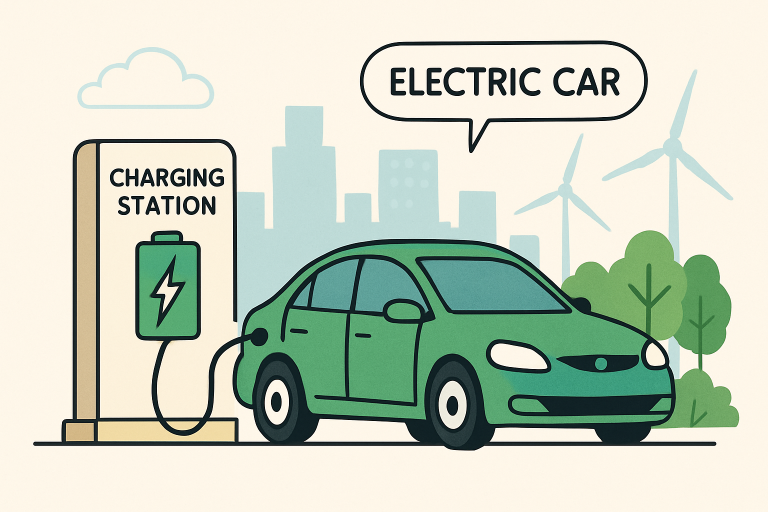
Green vehicles increasingly draw power from renewable energy sources. Some manufacturers are testing solar paint, a coating that turns a car’s surface into a solar panel. Charging stations powered by wind or solar energy are also becoming more common, further reducing the carbon footprint of electric and hybrid vehicles. By seamlessly integrating these power sources, the industry can reduce its reliance on fossil fuels and promote truly sustainable transportation ecosystems.
Government Policies and Initiatives
Government action is one of the most significant drivers in the adoption of eco-friendly vehicles. The United States, for example, is implementing executive policies to ban the sale of new fossil-fuel-powered vehicles by 2035. Tax incentives, infrastructure investment, and stricter emissions regulations push both consumers and automakers toward greener technologies. International initiatives, such as the European Union’s Fit for 55 plan, set ambitious new benchmarks for emissions reductions at each stage of the vehicle life cycle.
Eco-friendly technologies are redefining the automotive industry and the very meaning of vehicle ownership. As manufacturers and drivers align with this environmental mission, the future of transportation looks cleaner and smarter than ever before.