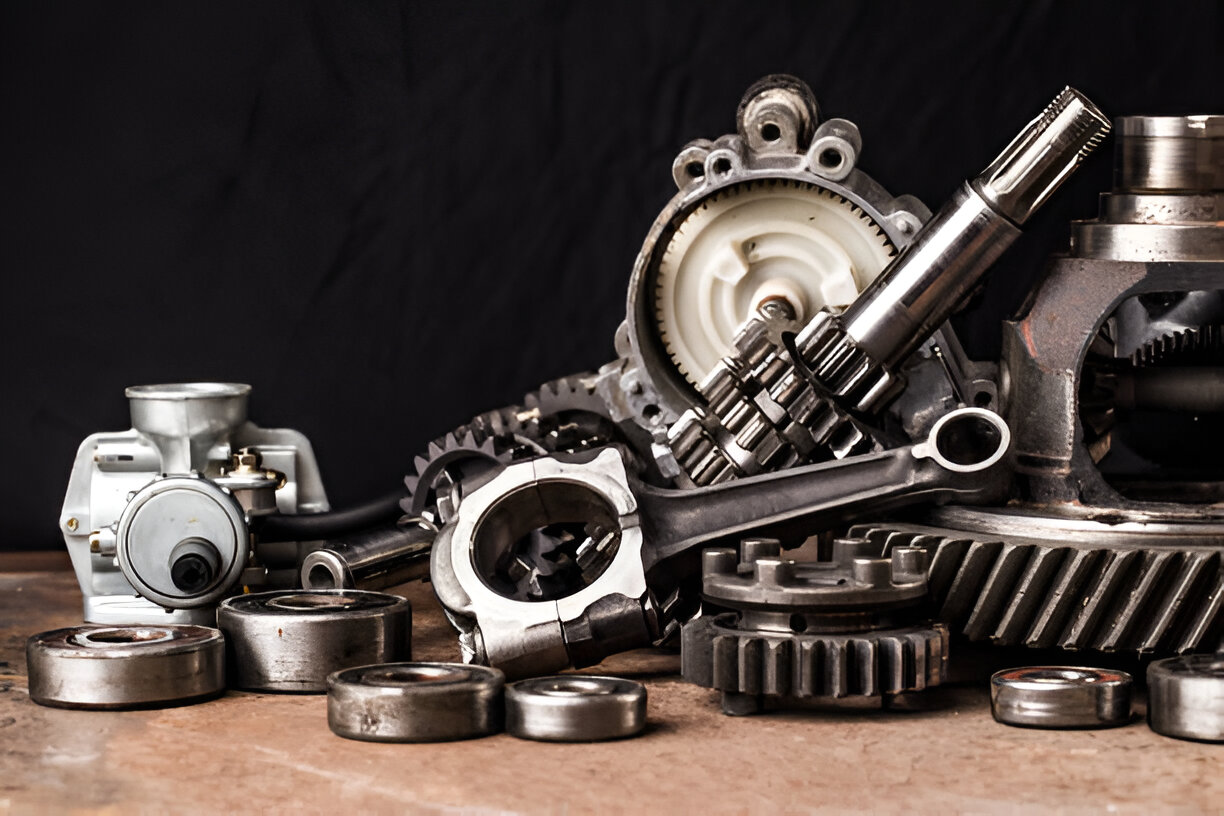
Finding genuine Japanese truck parts for Mazda can feel like searching for a needle in a haystack, especially when your truck breaks down at the worst possible moment. I learned this the hard way when my Mazda Titan’s transmission started acting up last winter. After weeks of research and some expensive mistakes, I discovered that getting authentic parts isn’t just about keeping your truck running—it’s about avoiding costly repairs down the road. The Japanese truck parts market is flooded with knockoffs that look identical to genuine components but fail within months.
Understanding Part Numbers and Authenticity Markers
Here’s something most people don’t know: every genuine Mazda part has a specific numbering system that tells you everything about its authenticity. When I first started looking, I had no clue that Mazda uses a 10-digit part number format that includes manufacturing date codes and facility markers. Real Japanese parts will have these numbers etched or molded directly into the metal or plastic, not just printed on stickers that can be swapped.
The tricky part is that counterfeit manufacturers have gotten really good at copying these numbers. But there’s a secret most sellers won’t tell you—genuine Mazda parts have micro-etching that’s nearly impossible to replicate perfectly. You’ll need a magnifying glass, but authentic parts show tiny imperfections in the etching that actually prove they’re real. Fake parts often have perfectly smooth, laser-printed numbers that look “too good.”
Where to Source Authentic Components
I used to think dealerships were the only safe bet, but that’s not entirely true anymore. Sure, Mazda dealerships guarantee authenticity, but you’ll pay premium prices—sometimes 200-300% more than other sources. What I discovered through trial and error is that several online platforms specialize in genuine Japanese imports.
RockAuto has been my go-to recently. They source directly from Japanese suppliers and provide detailed photos of actual parts, not stock images. Plus, their return policy covers authenticity issues, which saved me $800 when I accidentally ordered the wrong brake caliper. Another solid option is Amayama Trading, which ships directly from Japan. The wait time is longer—about 2-3 weeks—but prices are typically 40% lower than US dealers.
Identifying Red Flags in Online Listings
After getting burned by fake parts twice, I developed a system for spotting suspicious listings. First red flag: prices that seem too good to be true. If someone’s selling a genuine Mazda turbocharger for $200 when dealers charge $1,200, something’s definitely off.
Second warning sign is generic product photos. Legitimate sellers photograph the actual parts they’re selling, including serial numbers and packaging. If you see the same stock photo across multiple sellers, that’s usually a counterfeit operation.
The packaging tells a huge story too. Genuine Japanese parts come in specific Mazda-branded boxes with holographic stickers and QR codes you can verify on Mazda’s website. I keep photos of authentic packaging on my phone now for comparison shopping.
Testing and Verification Methods
Once parts arrive, I always do a quick authenticity check before installation. Weight is surprisingly telling—counterfeit metal parts are often lighter because they use cheaper alloys. I actually bought a small digital scale after getting a fake alternator that weighed 30% less than it should have.
For electrical components, genuine parts typically include detailed installation instructions in both Japanese and English. Fake parts either skip documentation entirely or include poorly translated manuals with obvious grammar errors. The wiring quality is another dead giveaway—authentic Japanese electrical parts use specific gauge copper wire with particular insulation colors that counterfeiters rarely match perfectly.
Temperature resistance testing works for rubber components. Genuine Mazda gaskets and seals are designed for extreme temperature variations. I learned to test new gaskets by exposing small sections to hot water and cold—fake rubber often cracks or becomes brittle immediately.