Australia has one of the highest rates of skin cancer in the world, and Geelong residents face particularly high risk due to the region’s coastal climate and outdoor lifestyle. What many people don’t realize is that early detection dramatically improves survival rates – melanoma caught early has a 99% five-year survival rate, compared to just 27% when detected late. The good news is that a quick skin check Geelong residents can easily access might be the most important 15 minutes you spend this year.
The Numbers That Should Worry Every Australian
Let me be straight with you about what we’re dealing with here. Australia has the highest melanoma incidence rate globally – about four times higher than the United States, Canada, or the UK. In Victoria specifically, over 4,000 people are diagnosed with melanoma each year, and unfortunately, about 300 of those cases are fatal.
But here’s what’s really striking about the data – and this is where it gets personal for Geelong residents. The Surf Coast and Geelong region consistently shows up in the top quartile for skin cancer diagnoses in Victoria. This isn’t just because of sun exposure, though that’s obviously a factor. It’s also related to demographics, outdoor work patterns, and honestly, cultural attitudes toward sun protection.
The Victorian Cancer Registry data shows that people in coastal areas like Geelong have a 23% higher chance of developing melanoma compared to inland populations. That’s not a small difference – that’s significant enough that it should change how often you’re getting checked.
What Actually Happens During a Professional Skin Check
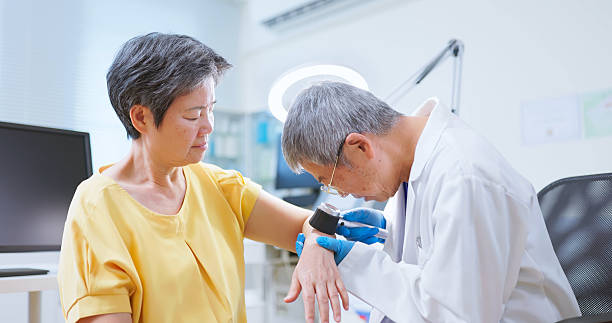
Most people put off skin checks because they think it’ll be uncomfortable or time-consuming. The reality is pretty different. A thorough full-body skin examination typically takes 10-15 minutes with a trained professional.
The doctor or dermatologist uses something called dermoscopy – basically a specialized magnifying device with polarized light that reveals skin patterns invisible to the naked eye. They’re looking for what we call the “ABCDE” characteristics: Asymmetry, Border irregularity, Color variation, Diameter changes, and Evolution over time.
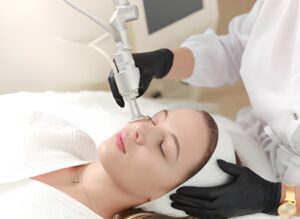
Modern skin check technology has gotten incredibly sophisticated. Many clinics now use digital mapping systems that photograph your entire body and can detect changes as small as 0.1mm between visits. It’s like having a photographic memory for every mole and freckle on your body.
Why Geelong’s Climate Makes Regular Checks Essential
Here’s something most people don’t understand about UV exposure and skin damage. Geelong’s coastal location means you’re getting reflected UV radiation off the water on top of direct sun exposure. Water reflects about 10-15% of UV rays back at you, essentially giving you a double dose.
Plus, the “cool breeze effect” that makes Geelong summers so pleasant can be deceptive. You might not feel like you’re burning because of the ocean breeze, but UV radiation doesn’t depend on temperature. Some of the worst UV exposure happens on partly cloudy days when people think they’re safe.
Research from the Australian Radiation Protection and Nuclear Safety Agency shows that Geelong receives UV levels above 3 (the threshold where sun protection is needed) for about 8-9 months of the year. That’s longer than most inland areas.
The Technology That’s Changing Early Detection
The diagnostic tools available in Geelong today are light-years ahead of what was available even five years ago. Many clinics now use AI-assisted diagnosis systems that can analyze thousands of skin features simultaneously and flag potentially problematic areas with accuracy rates above 95%.
Some practices are using something called “sequential digital dermoscopy imaging” – they take high-resolution photos of suspicious spots and compare them over time using computer analysis. This can detect changes that would be impossible for the human eye to notice.
What the Research Says About Screening Frequency
The Australian Cancer Council recommends annual skin checks for most adults, but recent research suggests this might not be frequent enough for high-risk populations. A 2023 study published in the Journal of the American Academy of Dermatology found that people with previous skin cancer diagnoses benefited from checks every 6 months.
For Geelong residents, especially those who work outdoors or have family history of skin cancer, many dermatologists are now recommending checks every 8-12 months rather than annually.
Beyond Just Finding Problems
What I find encouraging about modern skin checks is that they’re not just about finding cancer – they’re about prevention education. Good practitioners will photograph areas of concern, show you what to watch for, and teach you effective self-examination techniques.