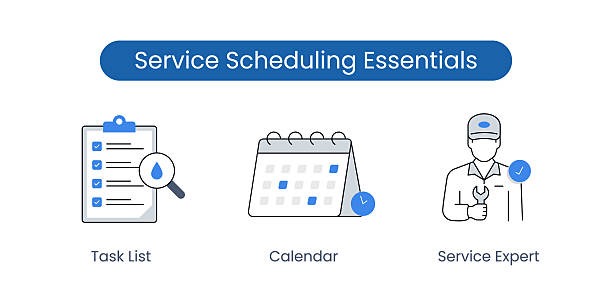
Field service scheduling is the process of assigning and managing technicians or service personnel to specific jobs in the field. It optimizes workforce productivity, reduces travel time, and improves customer satisfaction by ensuring the right resources are deployed at the right time.
Effective scheduling requires real-time data and often uses software to coordinate appointments, routes, and job priorities. This helps companies minimize downtime and respond quickly to service requests or emergencies.
By streamlining these tasks, businesses can cut costs and enhance service quality. Understanding how to implement and improve field service scheduling can lead to more efficient operations and better client relationships.
Understanding Field Service Scheduling
Field service scheduling involves assigning tasks and appointments efficiently to field technicians. It requires balancing workforce availability, skill sets, and customer demands. Key aspects of this process include understanding what field service scheduling entails, the types of operations it supports, and the main challenges faced in managing schedules effectively.
Definition and Core Concepts
Field service scheduling is the process of planning and allocating field worker tasks to maximize efficiency. It ensures the right technician with the required skills is dispatched to the correct location at the right time.
Core concepts include appointment booking, route optimization, and resource allocation. Effective scheduling reduces travel time, minimizes downtime, and improves customer satisfaction by meeting service windows. It often uses specialized software that integrates real-time data, such as traffic and technician status, to adapt schedules dynamically.
Types of Field Service Operations
Field service scheduling applies across various industries. Common examples include:
- Telecommunications: Installing or repairing network equipment.
- Utilities: Maintaining electrical or water infrastructure.
- HVAC and Appliance Repair: Routine maintenance and emergency repairs.
- Construction and Engineering: Site visits and equipment inspections.
Each type differs in urgency, task complexity, and customer expectations. For instance, emergency repairs require immediate response, while routine maintenance can be scheduled days in advance. The variation shapes how scheduling systems prioritize jobs.
Key Challenges in Scheduling
Scheduling faces multiple challenges. One major issue is unpredictable field conditions, such as traffic or equipment failures, which cause delays. Another challenge is balancing technician skills with job requirements to avoid misallocation.
Other difficulties include handling last-minute cancellations or emergency requests. Communication gaps between dispatchers, technicians, and customers also complicate schedule adherence. Moreover, maintaining data accuracy and integrating multiple systems can be problematic, impacting decision-making and efficiency.
Optimizing Field Service Scheduling
Effective scheduling requires balancing resource availability, job urgency, and geographic factors to improve productivity and reduce costs. Leveraging technology and well-defined strategies helps organizations achieve timely service delivery and higher customer satisfaction.
Best Practices for Efficient Scheduling
Prioritizing tasks based on urgency and skill requirement maximizes workforce utilization. Assigning jobs geographically close to each other reduces travel time and fuel expenses.
Implementing buffer times prevents schedule overruns caused by unexpected delays. Maintaining clear communication channels between dispatchers and technicians ensures real-time updates and quicker adjustments.
Regularly reviewing performance metrics like on-time arrival and job completion rates helps identify bottlenecks. Training schedulers on software tools and route optimization further enhances efficiency.
Role of Automation and AI
Automation streamlines routine scheduling tasks, freeing dispatchers to focus on exceptions and complex decisions. AI analyzes historical data and current conditions to predict service durations and assign optimal resources.
Smart algorithms prioritize jobs by factors such as customer importance, urgency, and technician skill sets. Real-time traffic and weather data feed into scheduling adjustments dynamically.
AI-driven tools also detect potential conflicts or overbooking early, minimizing downtime. Integration with inventory systems enables assigning technicians with the right parts on hand, reducing return visits.
Impact on Customer Experience
Accurate scheduling reduces wait times and ensures technicians arrive within promised windows, improving customer trust. Automated notifications keep customers informed about estimated arrival times and delays.
Efficient scheduling allows technicians more time per appointment, enhancing service quality. Quick response to urgent requests fosters positive relationships with customers.
Poor scheduling leads to missed or late appointments, damaging reputation and increasing costs from follow-ups. Reliable scheduling supports consistent, predictable service, which customers value highly.