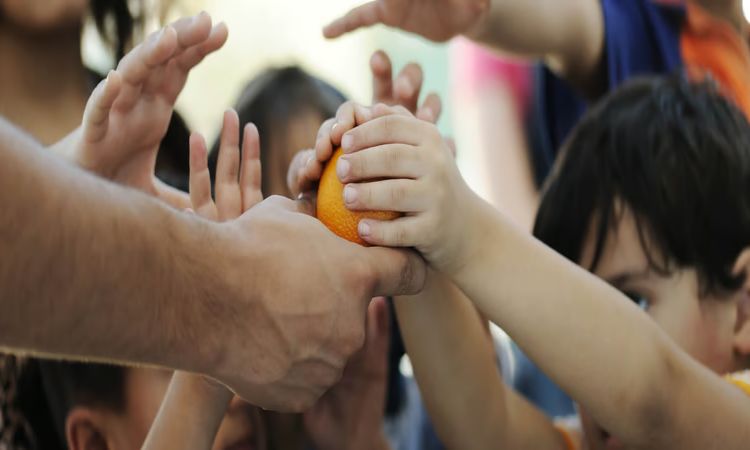
Child labor continues in many regions, and even though laws exist, many children still enter the workforce instead of school. The shift does not begin with a single significant event. It usually starts with gradual pressure on families. Income falls, expenses rise, and maintaining education becomes harder. The change appears slow at first, yet it shapes the direction a child takes. A charity for children steps into this space with support that keeps children connected to learning and away from unsafe work.
Families often manage limited resources, and when these resources tighten, decisions become narrow. Children start helping with work that demands long hours and usually takes them away from education. This pattern appears repeatedly across communities and it continues unless some form of outside support helps reduce the immediate pressure on families.
Why Do Families Depend On Child Work?
Many households rely on every available source of income when adults have irregular jobs or no stable employment; a child’s contribution becomes part of the family’s plan for daily survival. In such cases, saving funds for schooling becomes difficult. Although public schools are free, related costs such as uniforms, books, transport, and small fees can create barriers.
Charity for children helps ease these pressures by providing school materials, basic health services, or simple guidance that allows a family to understand the long-term value of continued education. Organisations like CRY America focus on this practical form of support to parents and communities. When families have access to commodities, they make decisions with a broader perspective, reducing the likelihood of child labor.
How Charity Work Supports Steady Progress
Charity support reaches children in many ways. Sometimes the help appears as food or health checks for children who struggle. Sometimes it seems like classroom materials that relieve parents of the financial burden. These simple supports keep children connected to school. When a child stays in school, the pull toward unsafe work weakens.
Awareness work also plays a part. Many parents and community members grew up thinking child labor was normal because it helped the family survive. Changing this view takes time. A charity for children starts this shift through open conversations with parents, teachers, and local leaders.
Safe spaces for children also make a difference. After-school centers, small clubs, and mentorship circles give children a place to learn, talk, and spend time without pressure. They form friendships and routines that keep them close to positive environments. The confidence they build in these spaces helps them avoid risky work.
Charities also work with local governments and other groups to monitor laws and point out gaps. Sometimes laws exist but stay weak in action. When a charity reports concerns or speaks up for children, accountability grows. This slow push strengthens protection across a wider area.
Challenges That Shape Ongoing Work
Charities face various challenges that influence their effectiveness. Funding may fluctuate, and without steady funding, programs become challenging to maintain. Schools may lack supplies or staff may not cover as many areas. Families then lose parts of the support that kept children in education.
Cultural beliefs also affect progress. In some communities, child labor is still viewed as usual. A shift in thinking occurs slowly as people see examples of children who continue their education and gain better long-term opportunities.
Even with these challenges, sustained community involvement strengthens the impact of charity work. When communities stay informed, they support families before the situation becomes severe.