Key Takeaways
- Proper uniforms are essential for enhancing safety and productivity in manufacturing, directly impacting worker well-being and operational efficiency.
- Comfortable, functional workwear can significantly boost worker efficiency by minimizing discomfort and fostering a productive environment.
- Compliance with industry standards ensures legal adherence and worker protection, helping companies avoid costly penalties and reinforcing safety culture.
- Customized uniforms strengthen brand identity and customer trust, giving employees a unified appearance and presenting a professional image to clients.
- Sustainable uniform production practices contribute to environmental conservation and elevate a company’s reputation among eco-conscious stakeholders.
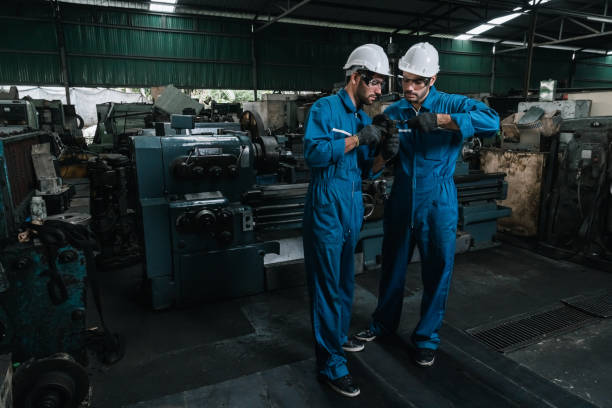
In the manufacturing sector, ensuring worker safety and boosting productivity are paramount. One often overlooked yet critical factor in achieving these goals is the selection of appropriate uniforms. Workwear is more than mere clothing; it serves as essential personal protective equipment (PPE) that can significantly enhance the everyday safety and comfort of factory employees. The right workwear not only protects employees from workplace hazards but also enhances their efficiency and morale. For instance, manufacturing uniforms offered by Dickies, a brand with a century-long legacy in durable workwear, are designed to meet the rigorous demands of various industries, including manufacturing. When businesses invest in these thoughtfully designed uniforms, they actively promote a safer, more efficient work environment, helping minimize risk and ensure high productivity.
Importance of Safety in Manufacturing
Manufacturing environments are inherently hazardous, with risks ranging from chemical exposures to mechanical injuries. Employees often work with heavy machinery, corrosive substances, and sharp or hot tools, elevating the risk of accidents and injuries. According to the Bureau of Labor Statistics, nonfatal injuries in the manufacturing sector decreased by 6.15% in 2023, highlighting the ongoing efforts to improve workplace safety. The reduction in injuries is a positive signal, but it also underscores the necessity for continuous improvement. With advances in technology and new, often faster, production demands, it’s essential for companies to regularly assess and update their safety protocols. Implementing effective PPE policies, of which uniforms are an integral part, is crucial for preventing accidents and fostering a safety-oriented culture among workers.
Role of Uniforms in Worker Safety
Properly designed uniforms serve as a first line of defense against workplace hazards. For instance, flame-resistant fabrics protect workers from fire-related injuries, while high-visibility materials ensure employees are seen in low-light conditions, such as during night shifts or in dimly lit areas. Uniforms with reinforced seams or abrasion-resistant materials can also protect wearers from cuts, bruises, or chemical splashes. A study by the National Safety Council found that appropriately designed workwear can lower injury rates by up to 28%. This protective capability not only reduces incidents of accidental harm but also encourages employees to focus on their tasks with confidence, knowing they are safeguarded against many potential hazards present on the factory floor.
Impact of Comfortable Uniforms on Productivity
Comfortable uniforms contribute significantly to worker productivity. When uniforms are designed with breathable fabrics, well-structured fits, and ergonomic features such as flexible waistbands or stretch panels, employees experience fewer distractions from discomfort. A survey by the British Occupational Health Society found that comfortable, functional workwear can increase productivity by 20-25%. Features like moisture-wicking fabrics keep workers cool and dry, crucial in hot factory conditions, while ergonomic designs reduce strain from repetitive motions or long hours spent on their feet. When workers feel good in what they wear, they’re more likely to maintain focus, complete daily tasks efficiently, and experience improved morale. Ultimately, investing in comfort reduces breaks due to discomfort and improves continuity in work processes, benefiting overall factory output and employee satisfaction.
Compliance with Industry Standards
Adhering to industry standards is crucial for both safety and legal compliance. Organizations like OSHA set regulations that require employers to provide specific protective clothing based on job hazards. For example, 92% of work uniforms in sectors such as construction and oil & gas are mandated to be flame-resistant, and similar requirements often apply in the chemical, electrical, and food manufacturing industries. Ensuring uniforms meet these standards helps avoid fines and enhances worker protection. Non-compliance can lead to costly lawsuits, governmental penalties, and even temporary shutdowns. Adhering to standards also builds worker trust in management, as it’s a tangible sign their well-being is considered a top priority. Regular audits, certifications from safety authorities, and employee training on the correct use of protective uniforms all further reinforce a company’s compliance and commitment to safety.
Customization and Branding
Customized uniforms not only promote a unified team appearance but also enhance brand recognition. Logos, company colors, and even employee names embroidered on uniforms convey a professional image and make it easy for team members to be identified by clients or visitors. A J.D. Power study found that customers are 70% more likely to trust a business when employees wear branded uniforms. This trust can translate into increased customer loyalty and business growth, especially in industries where repeat business and long-term relationships are vital. Furthermore, wearing branded attire can instill pride in employees and boost morale, making them feel like valued members of the organization. Customization also helps prevent uniform theft and can serve a practical purpose by differentiating between departments through color-coding or patches.
Sustainability in Uniform Production
As environmental concerns grow, sustainable practices in uniform production are gaining importance. The use of recycled materials in uniform production has increased from 10% in 2020 to 22% in 2023, reflecting a shift towards eco-friendly manufacturing processes. Companies now prioritize sourcing materials with minimal environmental impact, such as recycled polyester or organic cotton. By implementing energy-efficient manufacturing practices and reducing waste during production, uniform providers help companies lower their carbon footprint. This not only reduces environmental impact but also appeals to environmentally conscious consumers and employees who prefer to work with or for organizations demonstrating corporate social responsibility. Sustainability in workwear isn’t just a trend; it’s becoming an expectation in many industries, ultimately fostering long-term business viability.
Frequently Asked Questions
Why are flame-resistant uniforms important in manufacturing?
Flame-resistant uniforms protect workers from fire-related hazards, reducing the risk of burns and injuries in environments with elevated fire risk. These uniforms are especially important in industries that handle flammable materials or processes that generate sparks, offering life-saving protection and peace of mind to employees and employers alike.
How do comfortable uniforms enhance productivity?
Comfortable uniforms reduce physical discomfort, allowing workers to focus on tasks without distractions, thereby increasing efficiency and output. Uniforms designed with ergonomics in mind can help reduce fatigue, minimize the risk of repetitive strain injuries, and make long shifts more tolerable, enabling employees to maintain high performance throughout the workday.
What role does uniform customization play in a business?
Customized uniforms promote a cohesive team image, enhance brand recognition, and can increase customer trust and loyalty. Visible branding on uniforms makes employees easily identifiable and fosters a sense of unity, while also marketing the company to anyone who interacts with its staff, both on and off the worksite.
How can uniform production be made more sustainable?
Utilizing recycled materials and adopting eco-friendly manufacturing processes can make uniform production more sustainable, reducing environmental impact. Companies can also support sustainability by choosing suppliers that uphold ethical labor practices and by extending the life cycle of uniforms through repair, reuse, and recycling programs.
What are the consequences of not complying with industry uniform standards?
Non-compliance can lead to legal penalties, increased workplace injuries, and a negative impact on employee morale and company reputation. Regulatory fines, higher accident rates, and damage to public or client trust can cost businesses far more than the price of investing in compliant uniforms.