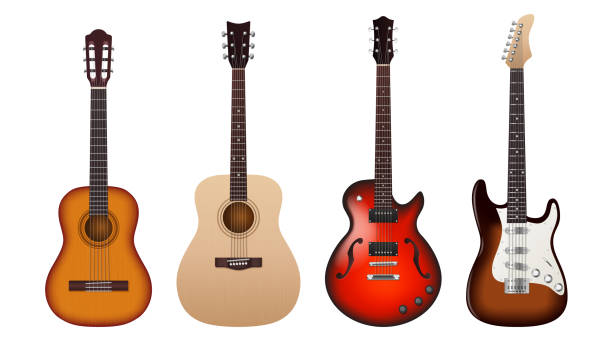
Choosing the right electric guitar isn’t about brand hype or how cool it looks. It’s about finding the instrument that fits your style, genre, and hands. The wrong choice can hold back your playing, kill your tone, or make long sessions painful.
Choose by Musical Genre
Don’t buy a guitar, and adapt your sound. Choose the instrument that fits your genre. If you mostly play metal, you’re going to want active pickups, usually humbuckers. Similarly, those who play blues should go for a traditional double-cutaway or semi-hollow guitar. Pop punk and hard rock players lean toward single-cut guitars or high-output models. Consider a Strandberg electric guitar if you want modern ergonomics with versatile tone options. Match your gear to the music.
Focus on Pickup Type
Pickups determine 80% of your tone. Humbuckers are thick and warm, ideal for distortion and sustain. Single coils are sharp, clean, and jangly, perfect for funk or clean leads. P90s are a gritty middle ground. Want versatility? Get a guitar with coil-splitting options or HSS configuration. Don’t obsess over body wood, it’s secondary unless you’re chasing tone purism.
Neck Shape Affects Playability
The profile of the neck influences comfort and speed. If you have smaller hands or want to tap chords, choose C-shape or soft V. Thin U-shaped or flat-radius necks also have a combined effect of easier fretting (requires less effort) when shredding. Test a few before you decide. A neck that cramps your hand will ruin any long session.
Understand Guitar Scale Length
Long-scale guitars have a 25.5” scale length, which means tighter strings and more snap. Shorter-scale guitars use a 24.75” scale, which offers looser tension and warmer tone. The difference also affects string bending and tuning stability. If you’re used to one, switching will feel off. Make sure the feel suits your playing habits and preferred tunings.
Pick the Right Bridge
The fixed bridges provide greater tuning stability, particularly when down-tuned or heavy rhythms. More expressive pitch-shifting systems like locking tremolos or synchronized bridges require greater maintenance. Unless you intend to do dive bombs or flutters, do yourself a favor and avoid the headache of dive bombing or flutters by simply riding a hardtail.
Evaluate Control Layout Ergonomics
Where the knobs and switch are placed matters during live play. Volume knob too close to your strumming hand? You’ll knock it mid-song. Want quick pickup changes? You need a three-way or five-way switch within reach. Passive or active pickups also determine tone control and output. Understand your layout before you commit.
Balance, Weight, and Comfort
A heavy single-cut guitar looks cool but kills your back after a two-hour gig. Extreme shapes look wild but are hard to play sitting down. Offset bodies sit comfortably, which is ideal for longer sessions. If the guitar doesn’t balance on your shoulder or lap, it won’t feel right no matter how good it sounds.
Always Test Before Buying
Feel trumps specs every time. A cheaper guitar that plays well is more valuable than an expensive one you fight against. If you can’t try in person, at least watch demos for playability. Don’t let brand names or price tags fool you. Playability and tone are personal, not universal.
The right electric guitar supports your playing, not fights it. Start with genre and tone, then factor in neck shape, scale, bridge, and body comfort. Forget some fancy aesthetics; it is all about feel. Also, think about resale value in case of upgrades in the future.