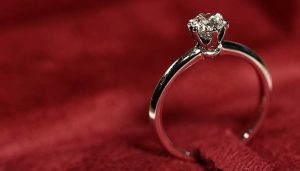
Something shifted in the engagement ring world recently, and the diamond monopoly is finally cracking. Walk into any jewelry store now and you’ll see sapphires, emeralds, rubies, and stones you’ve never heard of taking center stage. Couples are ditching the traditional colorless diamond for gems with actual personality, and honestly, it’s about time.
The whole “diamonds only” rule for engagements was basically a marketing campaign anyway. Before De Beers convinced everyone that diamonds equal love in the 1940s, colored stones were the norm. Queen Victoria’s sapphire and diamond ring started that trend. Now we’re coming full circle, except this time it’s not about following royalty. It’s about picking something that actually means something to you.
Why People Are Going Colorful
The reasons for choosing colored gemstones go way deeper than just wanting something different. Yeah, standing out matters, but couples are realizing that color can tell their story better than a clear stone ever could.
Maybe it’s a sapphire because you got engaged in September. An emerald matching her eyes. A ruby because your first date was at a wine bar and you still joke about it. These stones carry meaning beyond their price tag. They’re conversation starters that actually lead somewhere interesting, not just “oh, how many carats?”
The best gemstone rings combine the symbolism of color with the durability needed for daily wear. Because let’s be real, an engagement ring needs to survive real life, not just look pretty in photos. Best Brilliance gets this balance, offering stones that can handle your actual lifestyle while still turning heads.
Cost plays a role too, though nobody likes admitting it. A stunning two-carat sapphire costs way less than a mediocre one-carat diamond. You get more visual impact for your money, which means you can actually get the ring you’re picturing instead of the one you can afford.
The Stones Leading the Revolution
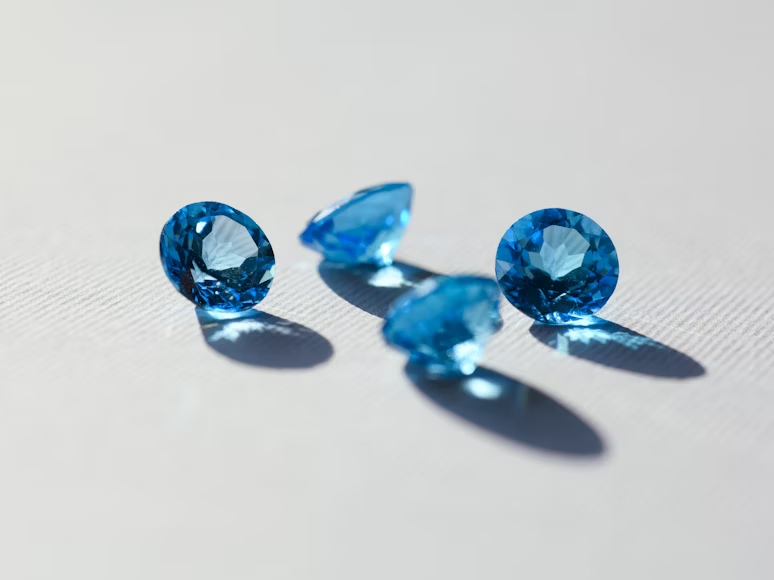
Sapphires are having a major moment, and not just the blue ones. They come in pink, yellow, peach, even color-changing varieties that look different in sunlight versus indoor light. They’re almost as hard as diamonds, so they can take daily wear and tear. Plus they don’t cloud up or need special care like some other stones.
Emeralds bring that rich green that nothing else quite matches. Yeah, they’re softer and need more careful handling, but some people think that’s romantic. Like the stone needs protection just like the relationship needs nurturing. Cheesy? Maybe. But if it means something to you, who cares what anyone else thinks.
Rubies are basically red sapphires chemically, but culturally they’re totally different. They symbolize passion in basically every culture that knows about them. And the good ones glow like they’re lit from inside, which diamonds definitely don’t do.
Then you’ve got the unusual suspects. Montana sapphires with their subtle blue-green shift. Padparadscha sapphires that look like sunset in a stone. Alexandrite that changes from green to purple depending on the light. These aren’t just alternatives to diamonds, they’re completely different statements.
The Practical Stuff Nobody Discusses
Not all colored stones work for engagement rings, and jewelers who say otherwise are lying. Opals are gorgeous but too soft for daily wear. Pearls will literally dissolve in perfume. Tanzanite is stunning but chips if you look at it wrong.
The Mohs scale matters here. Diamonds are 10, sapphires and rubies are 9, emeralds are 7.5-8. Anything below 7 is risky for everyday wear. That gorgeous moonstone might look perfect in the store, but it won’t survive five years on your hand.
Setting matters even more with colored stones. Bezels protect softer stones better than prongs. Halos can make a smaller colored center stone look massive. Some stones need specific metal colors to really pop. Blue sapphires love white metals, emeralds glow against yellow gold, rubies can go either way.
Breaking the Traditional Rules
The best part about colored gemstones is they free you from diamond industry rules. No standardized grading system means you pick what looks good to your actual eyes, not what some certificate says. No arbitrary size benchmarks like the one-carat mark. No pressure to hit certain clarity grades that require magnification to see.
You can also mix stones in ways that would be weird with diamonds. A sapphire with diamond accents. Alternating rubies and diamonds. Gradient colors from light to dark. Once you break the all-diamond rule, everything else opens up.
Some couples are choosing birthstones, others pick colors with personal meaning. Your college colors, the shade of the ocean where you met, whatever matters to you. Try explaining that with a colorless diamond.
The Celebrity Effect
When Kate Middleton got Diana’s sapphire ring, colored stones suddenly became acceptable again for everyone. Then celebrities started showing up with emeralds, rubies, and rare pink diamonds. Social media made it worse (or better, depending on your view). Now everyone can see that colored engagement rings aren’t just acceptable, they’re often more interesting than diamonds.
Younger couples especially love that colored stones feel less traditional, less connected to problematic mining practices, more aligned with personal values.
Making It Last
The key to colored gemstone engagement rings is being realistic about your lifestyle. Gym rat? Maybe skip the emerald. Work with your hands? Sapphire over opal every time. Forget to take rings off before swimming? Most stones handle chlorine better than salt water.
Regular maintenance matters more with colored stones. Some need professional cleaning methods, others just soap and water. Some stones can go in ultrasonic cleaners, others will crack. Best Brilliance provides care instructions specific to each stone because generic advice doesn’t cut it.
Frequently Asked Questions
Are colored gemstones durable enough for daily wear?
Depends on the stone. Sapphires and rubies rate 9 on the Mohs scale, nearly as hard as diamonds. Emeralds at 7.5-8 need more care. Anything below 7 probably shouldn’t be an everyday ring. Choose based on your lifestyle.
Do colored stones hold their value like diamonds?
High-quality colored stones can appreciate more than diamonds actually. But buy for love, not investment. The value is in what it means to you, not resale price twenty years later.
How do I know if a colored stone is good quality?
Unlike diamonds, there’s no universal grading system. Look for vibrant color, good clarity to the naked eye, and even color distribution. Buy from reputable sellers who disclose treatments and origins.