Budget optimization when selecting lab grown diamond engagement rings requires understanding the complex relationship between quality grades, size preferences, and setting costs. Industry analysis from the Diamond Trade Association indicates that couples allocate between $2,500-$8,000 for engagement rings, with lab-grown options enabling 40-60% larger diamonds within identical budgets compared to natural alternatives. Strategic decision-making around the four Cs – cut, color, clarity, and carat weight – combined with informed setting selection, maximizes value while ensuring long-term satisfaction. Understanding these technical considerations prevents costly mistakes and enables confident purchasing decisions regardless of budget constraints.
Strategic Four Cs Optimization for Maximum Value
Cut quality deserves priority investment since it determines light performance and visual impact more than any other factor. Excellent and Ideal cut grades command premium pricing but deliver superior brilliance that makes diamonds appear larger and more vibrant. Research indicates that upgrading from Good to Excellent cut quality increases perceived size by approximately 15% while adding only 8-12% to the total cost.
Color grade selection offers significant savings opportunities without visible quality compromise. The difference between D and F color grades remains undetectable to untrained observers in typical viewing conditions, yet F color diamonds cost 15-25% less than D color alternatives. G and H color grades provide additional savings while maintaining near-colorless appearance in most setting styles.
Clarity optimization requires understanding which imperfections affect visual appearance versus those visible only under magnification. VS2 clarity grades offer optimal value by eliminating eye-visible inclusions while avoiding the premium associated with FL-VVS1 grades. This strategic choice typically reduces costs by 20-30% without compromising beauty or durability.
Carat weight presents the most dramatic value optimization opportunity. Diamonds priced just below popular weight thresholds (0.90ct instead of 1.00ct, 1.80ct instead of 2.00ct) offer identical visual impact at significantly reduced costs. These “magic size” alternatives provide 8-15% savings while appearing virtually identical to round-number weights.
Setting Selection and Metal Considerations
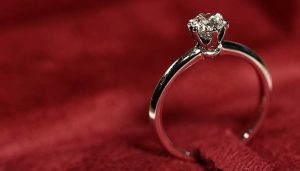
Setting style dramatically influences both appearance and cost, with selection impacting the overall ring budget by 25-40%. Classic solitaire settings maximize diamond prominence while minimizing metal costs, making them ideal for budget-conscious buyers prioritizing stone size. Halo settings create visual enlargement effects that make center stones appear 0.5-1.0 carat larger but require additional diamonds that increase total cost.
Metal selection affects both aesthetics and budget allocation. 14k gold provides optimal durability and cost balance, containing 58.3% pure gold while maintaining strength for daily wear. 18k gold offers higher purity and richer color but increases setting costs by approximately 20-25%. Platinum provides maximum durability and hypoallergenic properties but commands premium pricing that may require diamond size compromises.
Prong style and quantity influence both security and light performance. Six-prong settings provide maximum security for valuable diamonds while allowing superior light entry compared to four-prong alternatives. However, additional prongs increase manufacturing complexity and cost. Evaluate this trade-off based on lifestyle factors and security priorities.
Budget Allocation Strategy Development
Effective budget distribution typically allocates 70-80% toward the diamond and 20-30% toward the setting, though this ratio should adjust based on personal priorities and style preferences. Couples prioritizing maximum diamond size should consider higher diamond allocation percentages, while those preferring elaborate setting details may reverse this distribution.
Timeline planning affects pricing significantly, with rush orders incurring 15-25% premium charges. Planning purchases 6-8 weeks in advance enables access to optimal pricing and broader selection options. Seasonal timing also influences costs, with engagement ring purchases peaking during November-February commanding higher prices than spring and summer purchases.
Financing options require careful evaluation of interest rates and payment terms. Zero-percent promotional financing often provides optimal value for qualified buyers, while personal loans or credit card purchases may incur substantial interest charges that increase total costs significantly.
Quality Verification and Certification Requirements
Independent certification from recognized gemological laboratories ensures accurate quality representation and provides essential documentation for insurance purposes. GIA, IGI, and GCAL certifications command highest recognition and resale value, while lesser-known laboratories may provide inconsistent grading standards.
Warranty and return policies vary significantly among retailers, with some offering lifetime maintenance, sizing, and upgrade programs while others provide minimal post-purchase support. Evaluate these factors as part of total value calculation, particularly for significant purchases requiring long-term service relationships.
Photography and viewing conditions significantly influence diamond appearance during selection. Natural daylight or LED lighting provides most accurate color and clarity assessment, while fluorescent or incandescent lighting can mask or enhance certain characteristics. Request viewing under multiple lighting conditions before finalizing purchase decisions.
Advanced Selection Techniques and Considerations
Fluorescence characteristics in lab-grown diamonds differ from natural stones, with fewer specimens exhibiting strong fluorescence reactions. This difference can influence pricing and appearance under UV lighting conditions. Understanding fluorescence impact helps avoid unexpected visual effects in certain environments.
Shape selection dramatically affects per-carat pricing, with round diamonds commanding 15-25% premiums over fancy shapes of equivalent quality. Oval, pear, and marquise shapes provide larger face-up appearance per carat while offering cost savings that enable quality upgrades in other areas.
Beyond diamond selection, colored gemstones can deliver signature style without inflating costs. Emeralds provide vivid color, heirloom appeal, and strong face-up presence even at modest carat weights. For couples seeking a personalized look, you can customize your own emerald ring by choosing the stone shape, metal (14k/18k gold or platinum), and setting style (solitaire, halo, three-stone) to balance aesthetics and budget. Coordinating wedding bands or matching emerald jewelry can further complete the set while preserving value.