Key Takeaways
- Alternative financing can make homeownership a reality for buyers challenged by typical mortgage qualifications.
- Each creative financing option has its benefits and potential risks careful due diligence is key.
- Professional guidance from financial advisors or real estate experts is essential before finalizing any agreement.
Introduction
Homebuyers can now access innovative financing strategies to bridge the gap between aspiration and ownership. Platforms like cimarealestatetx.com connect buyers to owner-financed homes and resources tailored to creative financing solutions. These approaches not only widen access for those with credit challenges but also provide flexibility for unique financial situations and goals. It’s important to consult with industry professionals to align your strategy with current market conditions and your long-term economic health. Creative financing techniques support broader real estate goals, such as building equity, achieving flexible move-in timelines, or minimizing upfront costs. As market dynamics and personal financial outlook evolve, knowing where to seek opportunities is crucial.
Seller Financing
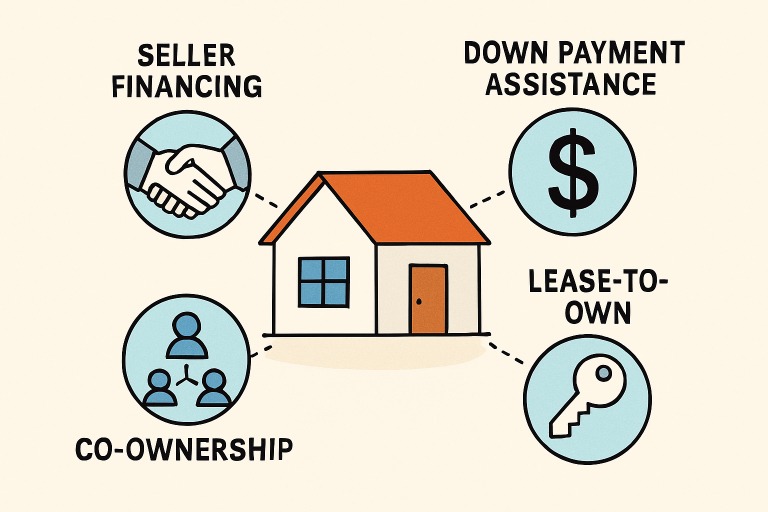
Seller financing is a method where the seller, such as Cima Real Estate TX, becomes the lender and the buyer pays the purchase price in installments, making it beneficial for those with poor credit or self-employment income. The terms are negotiated between both parties, typically documented in a promissory note and secured by a deed of trust. However, it’s essential to work with a real estate attorney to create a fair contract addressing missed payments or early payoffs.
Lease-to-Own Agreements
Lease-to-own, or rent-to-own, allows buyers to lease a home for a set period, with the option to purchase before the end of the term. Part of the rent may go towards the down payment or be credited to the purchase price, providing a head start towards ownership. This strategy is beneficial for those working to improve credit or accumulate savings. However, it’s crucial to clarify final purchase pricing, timelines, and rent credits.
Assumable Mortgages
An assumable mortgage allows the buyer to take over the seller’s existing loan under the same terms, including interest rate and remaining balance. This option can lock in lower rates in high-interest environments. Government-backed mortgages, such as VA, FHA, and USDA, are more assumable than conventional mortgages. Lender approval is required, and understanding the fine print and potential fees is crucial.
Down Payment Assistance Programs
Down payment assistance (DPA) programs, offered at federal, state, and local levels, provide grants, forgivable loans, or deferred-payment loans to help first-time and repeat buyers cover upfront costs. These programs vary based on income, purchase price limits, or location. Researching these opportunities and prequalifying through a mortgage advisor can lower financial barriers to owning a home. The CFPB’s Owning a Home portal offers resources and tools.
House Hacking
House hacking involves living in one part of a multi-unit or single-unit home and renting out others think duplexes, triplexes, or homes with basement apartments. The rental income you generate can offset mortgage payments or, in some cases, cover your entire payment, freeing up cash for savings or renovations. Successful house hacking depends on choosing the right property and understanding landlord responsibilities, local ordinances, and tenant relationship management. It is especially appealing to first-time buyers or young professionals seeking to build equity and financial resilience early on.
Home Equity Investments
Home equity investment companies work by providing funds upfront, typically for a down payment or home improvements, in exchange for a share of the property’s future appreciation. Unlike loans, home equity investments often require no monthly payments; instead, the investor receives a return when the investor sells or refinances. It’s a creative choice for buyers with limited savings but good long-term prospects. Key considerations include understanding how property appreciation is calculated and the investor’s role throughout ownership.
Co-Ownership
Co-ownership is a strategy where one or more people buy a property, sharing costs and benefits. This approach offers affordability in expensive markets. A thorough agreement is crucial to set expectations, detail usage rights, and establish exit strategies. Creative financing options can lower barriers and increase flexibility. With guidance from real estate professionals and thorough research, finding the right solution can help secure your next home comfortably and confidently.