Key Takeaways
- Food waste collection helps reduce environmental impact and landfill overuse.
- Recycling food waste offers economic and community benefits.
- Advancements in technology and policy are shaping the future of waste recycling.
- Consumers, businesses, and municipalities each play vital roles in improving food waste management.
- Recent news shows a surge in innovative programs and public awareness about sustainable waste solutions.
Table of Contents
- What Is Food Waste Collection?
- The Scope of the Global Food Waste Challenge
- From Waste to Resource: The Recycling Process
- Benefits of Food Waste Recycling Programs
- Key Roles: Consumers, Businesses, and Municipalities
- Challenges and Solutions in Food Waste Collection
- Looking Forward: How Policy and Innovation Drive Change
- Simple Steps Anyone Can Take
- Conclusion
What Is Food Waste Collection?
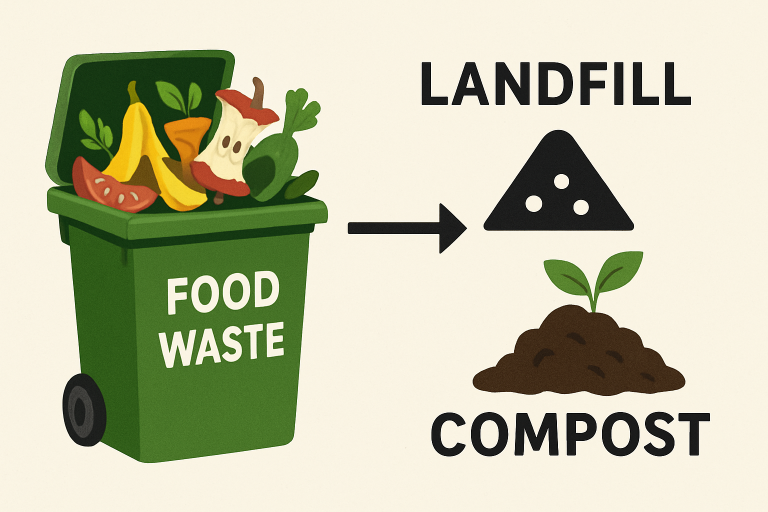
Food waste collection refers to the organized process of gathering discarded food, whether from homes, restaurants, grocery stores, or other sources, to divert it from landfills. It encompasses both curbside pickup services for households and commercial-scale collection for businesses and institutions. By separating food scraps from general waste, communities can maximize resource recovery and reduce negative environmental impacts. To learn more about sustainable food waste solutions and industry-leading approaches, resources are available on current best practices. Common sources of food waste include uneaten leftovers, spoiled produce, expired goods, and byproducts from food preparation. Many cities now provide green bins for organic waste or establish partnerships with farmers and composting facilities to ensure the effective management of food scraps. These efforts are part of a larger push to close the loop on food systems, minimize resource loss, and support a circular economy.
The Scope of the Global Food Waste Challenge
Globally, an estimated one-third of all food produced for human consumption is lost or wasted, amounting to around 1.3 billion tons each year. This immense level of waste has far-reaching consequences. According to the United Nations Environment Programme (what food waste is and why it matters), food waste not only means a loss of valuable nutrition but also the squandering of resources like water, energy, and labor that went into its production. When food ends up in landfills, it breaks down and releases methane, a greenhouse gas significantly more potent than carbon dioxide. This makes food waste a considerable contributor to climate change. Moreover, improper food disposal exacerbates landfill crowding and leads to other environmental problems such as leachate that can pollute soil and water sources.
From Waste to Resource: The Recycling Process
The transformation of food waste into valuable resources unfolds through innovative recycling processes. Composting is perhaps the most familiar, where food scraps are converted into nutrient-rich compost, benefiting local agriculture and landscaping. Anaerobic digestion is another increasingly adopted process, in which microbes break down organic materials in an oxygen-free environment, generating biogas that can be used for renewable energy and a digestate product suitable for soil enrichment. Biofuel recovery represents a promising frontier in food waste recycling. Certain kinds of food residue, such as used cooking oil, can be processed into biofuels that help offset reliance on fossil fuels. Real-world examples abound, with cities like San Francisco achieving high rates of residential composting, and innovative partnerships between supermarkets and bioenergy plants reducing the impact of unsold perishable goods.
Benefits of Food Waste Recycling Programs
Diverting food waste from landfills brings a cascade of economic, environmental, and community benefits. Recycling programs ease pressure on already overburdened landfill sites and curb the emission of harmful greenhouse gases. They also foster new economic opportunities in compost production and renewable energy, creating green jobs in collection, processing, technology, and logistics. Communities with robust recycling infrastructures enjoy improved public health outcomes, as cleaner environments and fewer pests become commonplace. Additionally, compost returned to farms and gardens nurtures local food systems and strengthens natural nutrient cycles, creating more resilient agricultural communities.
Key Roles: Consumers, Businesses, and Municipalities
How Individuals Can Take Action
Everyone can participate in minimizing and recovering food waste. Simple strategies for households include meal planning, proper food storage, and using leftovers creatively. Setting up a kitchen compost bin or signing up for local organic waste collection are further direct actions that make a difference.
Business Initiatives and Municipal Leadership
Many restaurants, grocery stores, and food processors are adopting zero-waste policies, donating unsold goods to food banks, and establishing partnerships for composting or energy production. On a larger scale, municipalities are implementing city-wide food scrap collection programs, offering grants for innovative recycling technologies, and setting ambitious waste diversion targets. Such multi-sector collaboration is key in addressing food waste challenges.
Challenges and Solutions in Food Waste Collection
Despite growing awareness, food waste collection faces several hurdles. Logistical obstacles ranging from inadequate infrastructure in rural areas to inconsistent program participation in urban centers pose real challenges. Some communities face gaps in public education or reluctance due to misconceptions about compost odors or pests. Solutions are emerging in the form of smart collection bins with real-time fill sensors, expanded curbside programs, and education campaigns to demystify composting. Municipalities and private haulers can optimize routes and reduce collection inefficiencies by embracing digital tracking and data-driven logistics. Overall, technology and strong policy support can help close the participation gap, making sustainable food waste programs feasible even in complex environments.
Looking Forward: How Policy and Innovation Drive Change
Policymakers are increasingly recognizing food waste as a pressing environmental issue. Recent legislation in regions like California mandates commercial food waste recycling (California Organics Law: SB 1383). Meanwhile, several European countries have set ambitious targets for halving food loss by 2030. Such policies often include financial incentives for recycling businesses, grants for research into new technologies, and public awareness initiatives. The coming years will likely bring further innovations in composting equipment, decentralized biogas facilities, and flexible solutions for apartment dwellers. With continued research and investment, the barriers to effective food waste collection and recycling are expected to diminish, allowing communities everywhere to reap the benefits of a sustainable circular economy.
Simple Steps Anyone Can Take
- Begin composting at home with a simple countertop container or backyard compost system.
- Participate in local food waste collection or drop-off programs if available in your area.
- Advocate for better municipal support or expanded food recycling policies in your community.
- Support businesses and organizations recognized for strong food waste reduction efforts.
Conclusion
Food waste collection is far more than a green initiative it’s a fundamental shift toward valuing resources, strengthening communities, and protecting the environment for future generations. By working together, adopting new technologies, and championing smart policies, individuals, organizations, and governments have the power to create significant and lasting change. Ongoing engagement, education, and innovation in food waste recovery move us closer to a sustainable world where every resource is treasured, and nothing goes to waste.