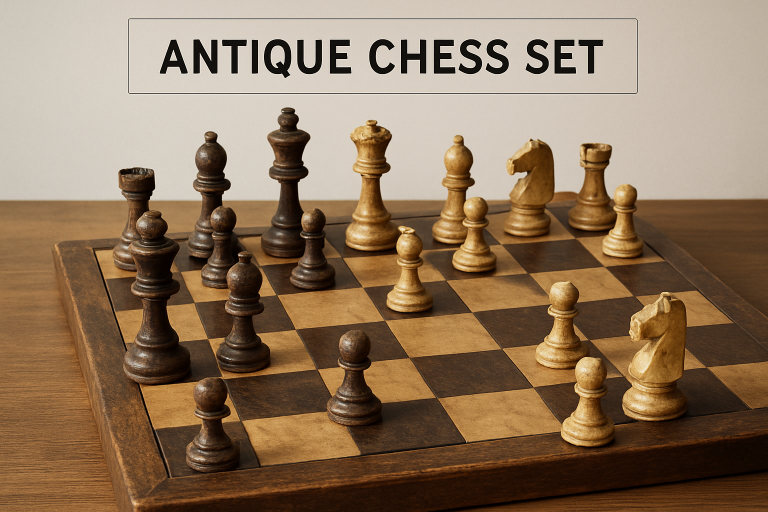
Key Takeaways
- Antique chess sets serve as historical artifacts, connecting players to the game’s rich past.
- The craftsmanship of these sets reflects the artistry and cultural influences of their time.
- Collecting antique chess sets offers both aesthetic enjoyment and potential investment value.
- Proper care and maintenance are essential to preserve the integrity and value of antique chess sets.
Table of Contents
- Historical Significance of Antique Chess Sets
- The Craftsmanship Behind Antique Chess Sets
- Collecting Antique Chess Sets: A Rewarding Pursuit
- Caring for Your Antique Chess Set
- Conclusion
Antique chess sets are more than mere relics of a bygone era, as they are tangible reflections of centuries-old traditions, artistic ingenuity, and intergenerational stories. Whether gracing a collector’s study or captivating new admirers, these cherished artifacts bridge the gap between history, art, and the enduring appeal of mindful competition. Holding or playing with heirloom chess sets is not only an exercise in strategy but also an evocative journey into the lives and cultures that shaped these remarkable pieces.
The allure of antique chess sets lies not just in their beauty but in the connections they foster. Each piece, whether delicately turned from boxwood or ornately carved from ivory, serves as a vessel for the ambitions and stories of those who came before. The enduring resonance of these sets invites collectors and players alike to partake in a tradition that has spanned centuries, staying relevant across eras and societies. Exploring antique chess sets unveils a world where the lines between utility and artistry are blurred. These objects have witnessed evolving techniques, shifting aesthetic trends, and the personal touch of artisans whose skill can still be admired centuries later. They create opportunities for discovery and learning that extend far beyond their function as gaming pieces. In recent years, renewed interest in such unique collectibles has reflected a broader appreciation for authenticity, history, and craftsmanship, making antique chess sets increasingly desirable both as treasures and as investments. Their value is elevated by the rich stories they embody and the timeless lessons they offer.
Historical Significance of Antique Chess Sets
Antique chess sets epitomize history made tangible, each set a silent witness to its own era’s realities and dreams. For centuries, chess has been celebrated as both a cerebral challenge and a reflection of social order. Particularly notable is the Staunton design, launched in 1849, which became the internationally recognized standard for chess tournaments. The democratization of chess in Victorian England, and the game’s spread throughout royal courts and bourgeois parlors, can be traced through identifiable changes in set design and construction over time. Sets predating the Staunton, such as ornate Baroque collections or medieval-inspired works, provide a glimpse into cultural attitudes toward hierarchy and power. Throughout their history, chess sets have also served as valued gifts among the nobility and as symbols of diplomatic exchange, their presence noted in pivotal historical contexts. This endows antique sets with a level of narrative richness almost unparalleled among collectibles.
The Craftsmanship Behind Antique Chess Sets
The artistry of antique chess sets reveals deep expertise in woodworking, carving, and inlay, skills preserved, refined, and adapted across generations. Master artisans have fashioned their pieces from exotic and luxurious materials: mammoth ivory, lustrous rosewood, gleaming ebony, and delicate bone. Iconic among these is the Isle of Lewis chess set, dated to the 12th century and excavated on the Scottish coast; its pieces are intricately carved walrus ivory figures, each bearing unique expressions that encapsulate the ethos of medieval Norse society.
Techniques employed extended from careful carving and turning to scrimshaw and polychrome painting, with many craftsmen adding their unique signatures. Even within conventionally styled pieces, regional variations reveal the influences of empire, trade, and patronage. The resulting diversity spans the functional grace of French Régence sets to the whimsical creativity of Indian ivory and bone work. Each set captures not only a game but also a piece of its maker’s world.
Collecting Antique Chess Sets: A Rewarding Pursuit
The pursuit of antique chess sets brings together appreciation for legacy craftsmanship and the excitement of historical investigation. As contemporary culture pivots toward collecting items of provenance and character, antique and vintage chess sets have experienced a dramatic resurgence in popularity. Market trends reflect this renewed fascination, with platforms like 1stDibs reporting surging demand and competitive bidding, particularly for rare sets tied to famous matches, makers, or prior ownership by notable individuals.
Seasoned collectors know to seek authenticity, provenance, and condition when evaluating potential acquisitions. Sets boasting distinctive design elements, original storage boxes, or links to landmark tournaments command higher desirability and investment value. Modern collectors also benefit from a thriving global community, where knowledge and appreciation of fine chess sets are shared through enthusiast networks, online forums, and museum showcases. The financial and emotional rewards of chess set collecting often go hand in hand, supporting a lively, ongoing conversation with history.
Caring for Your Antique Chess Set
Preserving an antique chess set requires attentive stewardship. Regular maintenance not only retains a set’s appearance but also safeguards its structural integrity and market value. Start with gentle, dry dusting using a lint-free cloth to remove particulate buildup. Avoid polishes and water, as these can deteriorate finishes or damage organic materials.
- Proper Cleaning: Remove dust with a soft brush or microfiber cloth. Never use abrasive cleaners or chemicals.
- Stable Storage: Keep the pieces in a stable, moderate climate, away from humidity or rapid temperature changes, to avoid warping or splitting.
- Shield from Sunlight: Direct sunlight can fade delicate pigments and degrade organic materials such as ivory and bone.
- Gentle Handling: Only handle pieces with clean hands to reduce grime buildup and accidental oils.
Careful, informed stewardship ensures that these remarkable sets will be cherished by future generations as deeply as by their original owners.
Conclusion
Antique chess sets represent far more than the sum of their parts. As artifacts of aesthetic beauty, windows to history, and emblems of thoughtful play, they offer a unique and far-reaching connection from one generation to the next. The time invested in learning about, collecting, and caring for these sets is richly rewarded, not only by their tangible value but also by their ability to inspire curiosity, foster community, and transmit timeless wisdom. For both veteran collectors and those newly enchanted by the world of antique chess, the journey promises ongoing discovery and lasting connection.