When you consider mobile gaming, convenience is likely the first thing to come to mind.
But behind the fun and simple nature of a game that can fit in your pocket there is a very complicated design thinking and strategy.
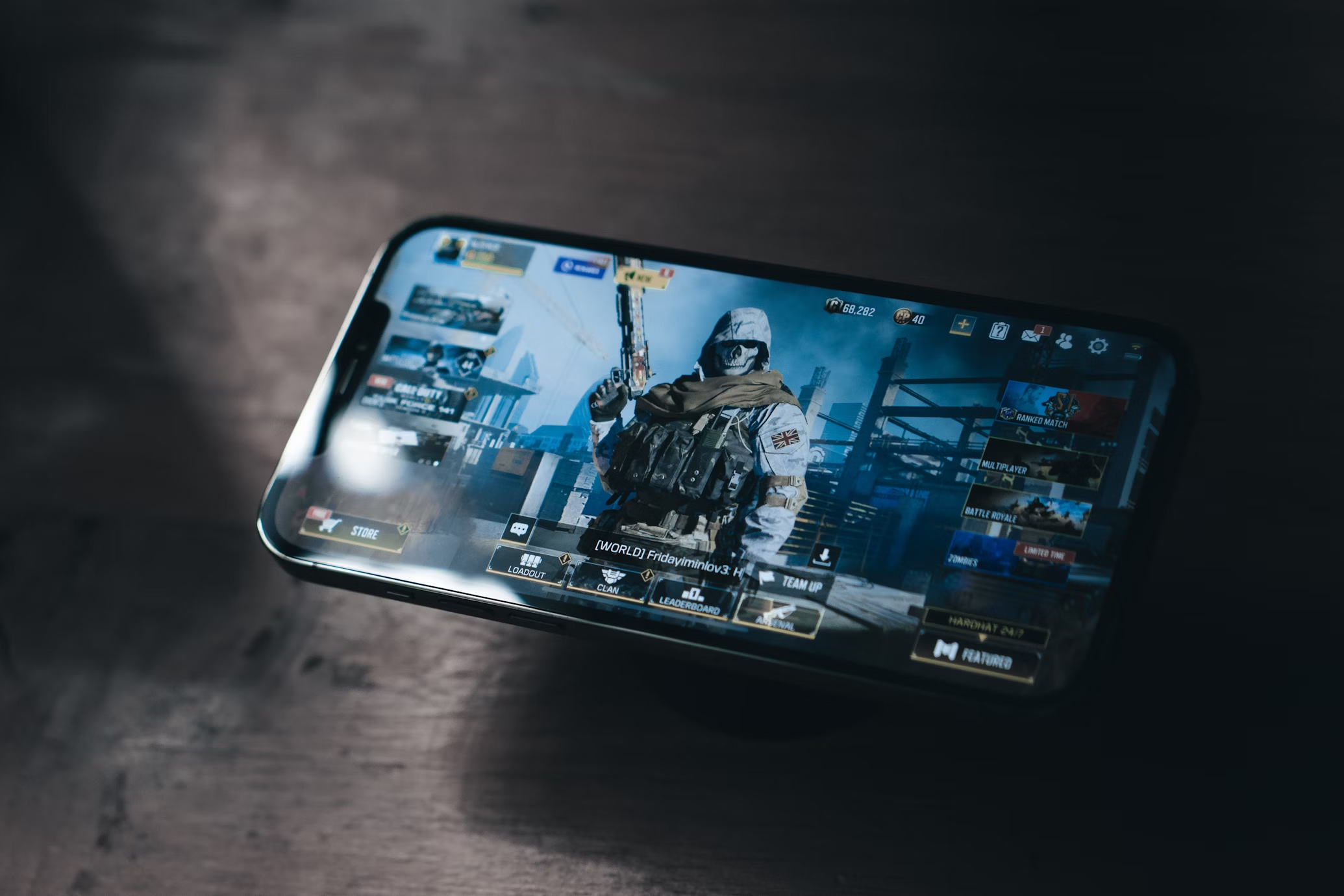
Developers are always battling one key constraint: screen size. Compared to a console or PC, where there is the physical space to present more detail and more interface items, a smartphone screen is a few inches wide. This means every pixel must earn its place and every feature must be strategically placed. Designers study how players maneuver their thumbs, where their eyes gravitate, and the ergonomics of how a phone is physically held to ensure interactions become second nature. For example, games in the puzzle genre like Candy Crush are deceptively frugal in their use of icons or even text, because they utilize an evolving layout that is always intentionally keeping the player engaged and easy with little thought or effort. The same principle useful design concepts apply to strategy games, like Clash Royale, where executions of fundamental actions fall easily within the reach of a thumb tap. With the combination of psychological principles and design, these games create a very comfortable experience that is surprisingly addictive.
Adapting across devices and experiences
A primary hurdle is designing across devices. A game that looks glorious on a new Android device needs to feel equally smooth on an outdated iPhone device. There is tremendous variance in across screen size, and developers must design adaptable interfaces while ensuring that it still seems organic to use. Fonts, buttons, and menu options all need to be scaled properly for intuitive usage, so that the user does not get frustrated.
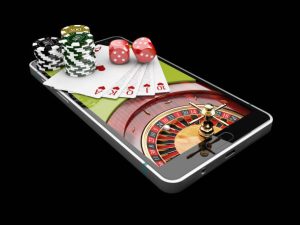
Take cloud gaming services or quality RPGs. These applications typically require plenty of information to be displayed on the screen, but if there is too much information presented, it can overwhelm a user. Fortunately, clever and intentional design here can help bring focus to a user’s experience without compromising access. Developers will build things like expandable menus, gesture navigation elements, and contextually aware elements that only display when information is relevant. Even casino and gaming oriented apps understand this. For example, an online casino would want a seamless experience for its users to sign up, deposit, and select a game without distractions on a small screen. Most platforms’ business model depends on properly showcasing offers like the $5 minimum deposit casino and the use of UX/UI design to attract players. Bright color cues, quick access menus, and layout design are important because no one wants to navigate a casino site while putting real money on the line, they want to play quickly!
Designing with behavior in mind
The best mobile game experiences are not only about visuals but about predicting player behavior. Game designers study user flow to make the experience almost subconscious. Consider how reward systems are displayed. A progress bar or a daily bonus often appears at the exact moment you are most likely to continue playing. This timing is not random but based on behavioral data and design psychology.
Mobile games also leverage touch gestures to provide immersion. When you swipe, tap, or long-press the screen, the game feels real, and you can take pleasure in providing the action to the game. The trick is to try to create a proper balance between complexity and accessibility. If you have too many controls, casual players may not enjoy them, however if you have too few controls, experienced players will likely lack interest.
Casino mechanics offer some insight on how to strike this balance. In the digital slot machine example referenced above, the large, centered spin button draws the player’s attention, as does the bright color, flashing icons, and spinning action. The slot mechanics also offer fast rewards, easy possible transactions, and texture that make mobile slot gaming incredibly engaging.
With screen technology advice, and the consoles and devices continuing to evolve, the understanding of UI, symbols, and user psychology will only continue to grow in importance. Players want play that is fast, beautiful and easy. Whether they are planting crops in a farm simulator or pushing their luck on a casino platform. Good designers understand that the small screen is more than just a limitation but rather an opportunity for them, to embrace and incorporate a multitude of opportunities, and based on those pursuits can create some of the best and most lucrative gaming experiences in today’s gaming market.