Key Takeaways
- Pursuing a career in firefighting means meeting rigorous educational, physical, and personal requirements at every stage.
- Proper exam and interview preparation, paired with hands-on experience and support, helps applicants stand out from the start.
- Developing lifelong habits like physical fitness, volunteering, and strong communication creates the foundation for professional growth.
- Utilizing reputable training resources and learning from industry experts increases preparedness for tests and real-world situations.
- Long-term firefighter success depends on a commitment to continuous education and ongoing personal development.
Table of Contents
- Why Firefighting Remains a Sought-After Career
- Core Qualifications Aspiring Firefighters Need
- Essential Steps to Get Started
- Preparing for the Firefighter Written Exam
- Physical Fitness and Skills Assessments
- Interview and Communication Strategies
- Continuous Training and Career Growth
- Resources and Support for Your Journey
Why Firefighting Remains a Sought-After Career
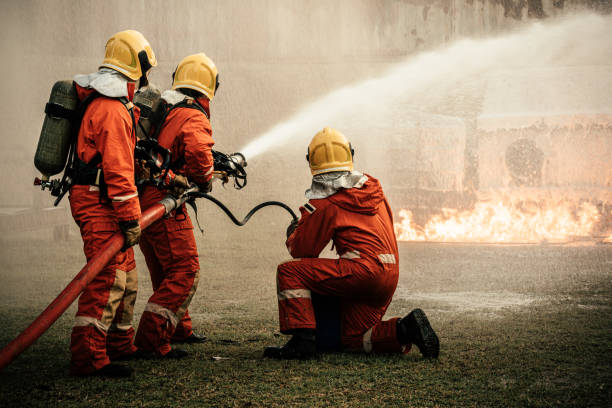
Few jobs carry the promise of impact and adventure quite like firefighting. From responding to dangerous fires and medical emergencies to helping during natural disasters, firefighters serve as pillars of support for their communities. Modern firefighters do more than just put out fires; they provide essential emergency aid, educate residents on prevention, and even assist with technical emergencies ranging from traffic accidents to chemical spills. The extraordinary trust communities place in their fire departments speaks to the risk and reward inherent in this path. According to the Bureau of Labor Statistics, the job outlook for firefighters remains steady, with positions available across the country as older professionals retire and local populations expand. Long-time professionals often cite the daily challenge and deep camaraderie in firehouses as leading reasons people are drawn to and stay in the field.
Today’s firefighter must adapt to evolving threats while balancing the grit required on the frontlines with technical know-how. Modern training methods like online firefighter training have emerged to cater to more diverse applicants, offering structured learning that can be completed alongside current work or family obligations. These programs create opportunities for individuals who may have previously struggled with traditional classroom schedules, ensuring a broader pool of candidates can study, get certified, and begin their fire service journey. Blending digital coursework with practical, hands-on skills quickly becomes the gold standard for aspiring firefighters.
Core Qualifications Aspiring Firefighters Need
Entry into the fire service requires more than just physical courage. Most departments set strict prerequisites. Candidates need at least a high school diploma or equivalent educational background, and a record free of serious legal or driving infractions. The ability to pass a thorough background check is essential because firefighters are held to high standards of public trust and responsibility. On top of these basics, many employers expect applicants already to have an Emergency Medical Technician (EMT) certification. EMTs are first on the scene in a medical crisis, so their emergency care knowledge is highly valued in fire service hiring.
However, technical qualifications are only one part of the equation. Physical endurance and mental resilience set top candidates apart. The job demands thinking quickly, operating under pressure, and working harmoniously in teams of mixed backgrounds and experience levels. Volunteering with community emergency services or as a junior firefighter provides first-hand experience and can demonstrate an early commitment to the profession. Applicants who have cultivated discipline—through athletics, military service, or consistent physical training—often find themselves better prepared for the strenuous hiring process.
Essential Steps to Get Started
- Complete a high school diploma or GED, verifying all transcripts and necessary documentation are ready for applications.
- Enroll in a local academy or access convenient online firefighter training for a clear overview of fire science and emergency protocols.
- Attain EMT-B certification, which typically requires coursework, hands-on practicum hours, and a certification exam.
- Network within your local fire department by volunteering, shadowing experienced firefighters, attending open house events, or joining ride-along programs.
- Participate in community programs, like first aid classes, CPR training, or public safety seminars, to further round out your skill set.
- Monitor job boards and department websites for recruitment postings, deadlines, and updates to hiring requirements or test dates.
Progressing through these steps deliberately gives applicants time to build competence and confidence. Those who start early with volunteer experience or certifications often find the transition into paid firefighting roles much smoother. Every additional credential and hour of practical exposure can make a difference during final candidate selection.
Preparing for the Firefighter Written Exam
Written exams play a critical role in firefighter recruitment. Departments use standardized tests to assess reading comprehension, basic math, logical reasoning, situational judgment, and memory. Questions vary, but applicants may be asked to choose the best course of action in real-world scenarios or recall details from fire safety guidelines. Those preparing for the exam should secure official study guides, work through practice questions under timed conditions, and review areas where scores lag. It is often beneficial to form study groups with peers preparing for the fire service; this creates accountability and opportunities for collaborative problem-solving.
Some applicants find success by seeking guidance from successful firefighters who have recently passed the exam. These mentors can share first-hand experiences about the questions commonly asked and strategies for effective test-taking. Consistent repetition and self-quizzing solidify material and reduce anxiety when sitting for the exam. Regular review and proactive study habits have been linked to higher first-time pass rates, as supported by industry experts and research into standardized exam performance.
Physical Fitness and Skills Assessments
The Candidate Physical Ability Test (CPAT) and related skills assessments are designed to mimic the intense physical demands firefighters face in the field. Tasks may include carrying heavy equipment, climbing several flights of stairs, dragging dummies or hoses, breaking down barriers, and operating tools while outfitted in full safety gear. These simulations, often completed within strict time limits, gauge brute force, balance, and coordination.
Daily training that includes cardiovascular exercise like running or swimming, strength routines such as squats, lifts, and push-ups, and functional movements familiar to fire service work (like carrying objects upstairs or swinging sledgehammers) is essential. Candidates often overlook the importance of rest, recovery, flexibility training, and nutrition, which impact performance and reduce injury risk. Many departments or academies offer orientation sessions, workshops, or mock test day events taking advantage of these can help demystify the process and build confidence leading up to the actual assessment.
Interview and Communication Strategies
Once the written and physical tests are passed, the interview stage becomes the major remaining hurdle. Interviews often involve a panel of experienced fire service professionals who assess not just answers but overall demeanor, honesty, and attitude. Candidates can expect questions about teamwork, handling conflict, responding to on-the-job stress, and remaining adaptable in dynamic situations. Preparing by researching common firefighter interview questions and practicing structured responses enables more relaxed, genuine answers during real interviews.
- Develop a clear and sincere explanation of what draws you to firefighting and why you believe you’re a strong fit for the role.
- Use the STAR method (Situation, Task, Action, Result) to organize responses to behavioral questions and keep answers concise and to the point.
- Highlight examples of leadership, commitment to safety, and experiences gained through training or volunteer service.
- Display openness to learning, humility when describing setbacks, and a willingness to accept feedback from others.
Veterans of the hiring process recommend practicing either with trusted colleagues or by recording mock interviews to polish delivery and boost self-assurance. The goal is to show both the technical skillset required and the genuine desire to serve the community in times of need.
Continuous Training and Career Growth
Earning the title of firefighter is just the beginning. The profession requires an ongoing commitment to adaptation, as new technologies, emergency response guidelines, and hazards evolve. Most departments mandate regular in-service training, continuing education in areas such as hazardous materials, building construction, and even wildland firefighting, depending on the region. As firefighters gain experience, many choose to specialize—some become fire inspectors, arson investigators, paramedic-firefighter crossovers, or participate in elite technical rescue teams.
Keeping abreast of current research, safety findings, and emerging threats is crucial in a field where conditions can change rapidly. Consulting authority sources, such as the National Fire Protection Association, informs professionals about industry trends. Experienced firefighters often recommend staying engaged by subscribing to newsletters, joining professional organizations, and seeking advanced certifications. Diversifying skills not only increases personal fulfillment and career mobility within the fire service. but also
Resources and Support for Your Journey
No candidate or professional succeeds alone. Harnessing the wisdom of mentors, trainers, and seasoned firefighters can illuminate the realities of a demanding but rewarding career. Seek out local fire department mentorship programs, join online forums for firefighter recruitment, and participate in professional development conferences or webinars. Official fire service and government training resources like those published by the United States Fire Administration provide invaluable free learning materials, job checklists, and guidance on staying compliant with industry standards.
Candidates who invest in practicing drills and community involvement are dedicated to the field and serving the community. Connecting with like-minded individuals—whether in person at volunteer departments or digitally through training platforms—builds resilience and sustained motivation, even through setbacks. For those driven by the goal of public service, the path to firefighting is challenging but entirely within reach with the right combination of preparation, perseverance, and support.