Key Takeaways
- Plumbing failures and aging pipes are some of the most common sources of water damage in residential settings.
- Household appliances and roofing materials require regular checks to prevent preventable leaks and water intrusion.
- Environmental factors, such as high indoor humidity, can contribute to mold growth and long-term damage.
- Proactive home maintenance can significantly reduce the chances of major water-related disasters.
Table of Contents
- Plumbing Failures
- Appliance Malfunctions
- Roof Leaks
- Clogged Gutters
- High Indoor Humidity and Condensation
- Preventive Measures
Water damage is one of the most disruptive events that can occur in a home, often requiring significant repairs and causing extensive property loss. Taking steps to address the root causes of water damage is essential to safeguard your home and maintain a healthy living environment. Early detection and knowing when to call Firestone water damage experts are key to minimizing the long-term effects of water intrusion.
Homeowners are frequently surprised by how quickly water damage can escalate. Even a minor leak can lead to mold, mildew, and serious structural problems if left unchecked. Water damage is not confined solely to obvious flooding or storm events; issues within your plumbing, appliances, and building materials can also contribute significantly.
In addition to causing costly repairs, unchecked water damage can severely impact indoor air quality and create health hazards, especially for vulnerable individuals. Addressing common risks proactively can help you avoid expensive restoration costs and preserve your property value.
Awareness and preventive action are your best tools against the risks posed by water. Learning the major causes and how simple maintenance steps can protect your home will leave you prepared for both common issues and unexpected emergencies.
Plumbing Failures
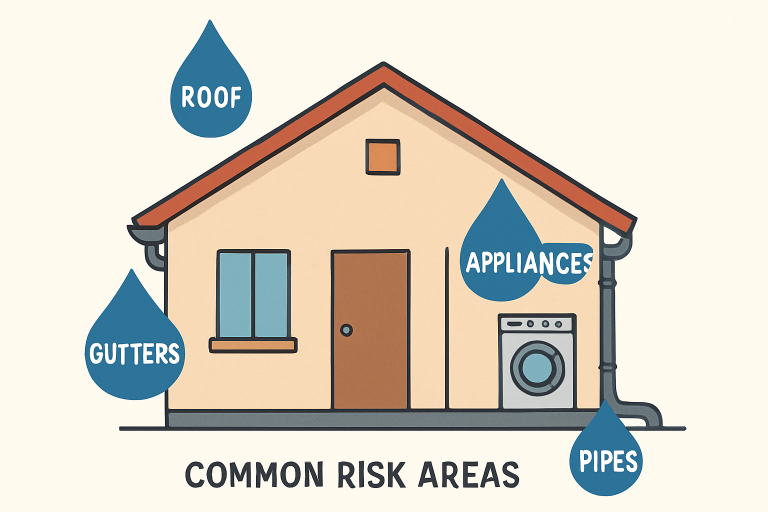
One of the major risks for homeowners is plumbing failure, including leaking pipes, burst connections, and corroded plumbing that can cause water to escape into walls or under floors. Such leaks often remain undetected for prolonged periods, resulting in substantial damage to drywall, flooring, and insulation. Older homes are particularly vulnerable to these problems because their materials are more prone to deterioration. The Insurance Information Institute reports that water damage and freezing account for nearly 30% of all homeowner insurance claims in North America, underscoring the need for regular plumbing inspections and timely repairs. Homeowners should be vigilant for signs of plumbing issues, such as decreased water pressure, unusual sounds from the pipes, or water stains on ceilings and walls. It’s advisable to schedule annual professional inspections to identify minor problems before they escalate. In colder climates, homeowners should protect exposed plumbing from freeze-thaw cycles by insulating pipes located in attics, basements, and crawl spaces.
Appliance Malfunctions
Modern homes use various appliances essential to daily operations, such as washing machines, dishwashers, water heaters, and refrigerators, all of which are connected to the water supply. A malfunction, particularly a broken seal or hose, can result in significant water damage, as exemplified by a ruptured washing machine hose that can release large amounts of water quickly. Regular maintenance is crucial; homeowners should periodically check hoses, seals, and connection points for wear and corrosion. Manufacturers typically recommend replacing hoses every 5 years, with stainless-steel-braided lines a recommended option for increased durability. Water heaters, especially those over 10 years old or showing rust and leaks, should also be regularly assessed. Essential maintenance tips include cleaning filters, inspecting hoses, and promptly addressing any small leaks or puddles around appliances. Setting reminders for these checks can help ensure potential issues are addressed before they escalate.
Roof Leaks
Your roof is a critical barrier against the elements, but over time, it is susceptible to age-related wear and damage from weather events. Missing shingles, damaged flashing, and worn roofing materials can leave your attic and upper floors vulnerable to water intrusion.
Routine roof inspections, especially after storms, are essential for identifying trouble spots. Replacing damaged or missing shingles and resealing any compromised areas can significantly improve your roof’s ability to keep water out. Neglecting roof maintenance can drive up repair costs if leaks persist undetected, leading to structural rot or mold growth.
Clogged Gutters
Gutters play a vital role in directing water away from your home’s foundation. When gutters fill with leaves, twigs, or other debris, water can back up and overflow onto your roof and walls. Over time, this overflow can cause wood rot, basement flooding, and even cracks in your foundation.
To maintain proper drainage, clean your gutters at least twice a year, typically in the spring and fall. It may also be helpful to install gutter guards to reduce the frequency of clogs. If you notice signs of overflowing gutters, such as water stains on exterior walls or erosion around your home, address the issue promptly to avoid secondary damage.
High Indoor Humidity and Condensation
Even when visible water damage is absent, elevated indoor humidity can pose hidden risks. Everyday activities such as cooking, bathing, and laundry can add moisture to the air. If homes are inadequately ventilated or lack dehumidifiers, airborne moisture can settle onto walls and ceilings, creating ideal conditions for mold growth.
To guard against high humidity, use exhaust fans in bathrooms and kitchens, open windows to increase airflow when weather permits, and install a dehumidifier in problem areas, such as basements.
Preventive Measures
To prevent water damage in the home, it is crucial to regularly inspect plumbing and water-supplied appliances to identify early warning signs. Homeowners should routinely inspect their roofs and gutters for signs of damage or blockages, and address minor repairs promptly to prevent larger issues. Maintaining indoor humidity levels with dehumidifiers and proper ventilation is essential; any condensation should be addressed immediately upon detection. Additionally, investing in water detection devices and alarms in high-risk areas such as basements, laundry rooms, and utility closets greatly enhances safety. By employing these preventative measures and knowing when to seek professional assistance, homeowners can significantly reduce the risk of water damage, ensuring a safe and healthy living environment while averting preventable disasters.
Conclusion
Preventing water damage requires vigilance, regular maintenance, and timely intervention across all areas of the home. From plumbing systems and appliances to roofs, gutters, and indoor humidity, small issues can quickly escalate into costly repairs if left unchecked. By scheduling routine inspections, promptly addressing minor leaks, and using tools such as dehumidifiers or water-detection devices, homeowners can protect both their property and their health. Proactive care not only reduces the risk of structural damage, mold growth, and flooding but also ensures a safer, more comfortable, and resilient living environment for years to come.