Key Takeaways
- Minimalist designs can convey sophistication and modernity.
- Interactive labels engage consumers and provide additional value.
- Eco-friendly materials appeal to environmentally conscious customers.
- Personalized labels create a unique connection with consumers.
- Transparent labels offer a sleek, modern appearance.
In a crowded market, the appearance of your product plays a crucial role in catching a customer’s eye. Labels are often the first point of interaction, setting both the tactile and visual tone for your brand. Modern businesses seeking to differentiate their products should consider utilizing custom labels for jars, not only to enhance design but also to convey their identity and values. A well-designed label can turn a simple bottle into a store icon, conveying stories, building trust, and forming emotional links. As trends evolve, innovative labels boost loyalty and shelf presence. Smart choices suggest quality and sustainability, helping products stand out in markets like gourmet foods or beauty. Memorable labels leave lasting impressions, influencing consumer choices among competitors. Experimenting with design and materials helps brands differentiate and create buzz.
Minimalist Elegance
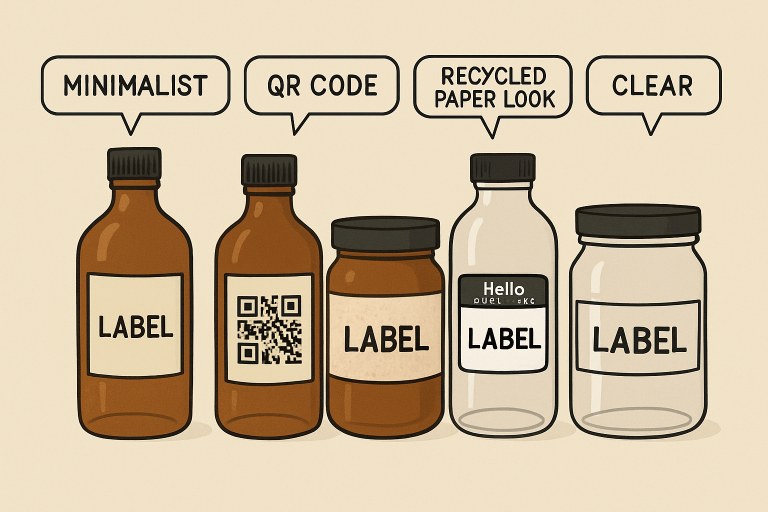
Minimalist labels are popular among brands seeking to exude elegance and a modern sensibility. Using clean lines, ample white space, and simple monochrome color palettes, minimalist designs avoid clutter and convey a high-end perception. Short, clear product names paired with a discreet brand logo place the focus right where it should be—on the ingredient quality and the contents of the jar. This is a go-to approach for markets like specialty foods, cosmetics, and premium beverages.
Interactive Labels
Modern product packaging often extends beyond its visual and tactile role by incorporating interactive features. QR codes, augmented reality triggers, and scan-to-win promotions make labels a gateway to further engagement and education. For example, a simple scan could unlock recipes, sustainability stories, or origin videos for ingredients. These elements encourage buyers to spend more time with your product, increasing brand recall and nurturing brand loyalty.
Eco-Friendly Materials
As environmental awareness grows, more consumers are seeking products with eco-conscious packaging. Using recycled, biodegradable, or FSC-certified labels, along with water-based inks, demonstrates that your company values its environmental footprint. Natural textures, such as kraft paper or earthy, muted tones, help visually reinforce your brand’s sustainability ethos. For brands in natural foods, clean beauty, and holistic wellness products, this approach not only sets you apart but also aligns with the values of your most discerning customers.
Personalized Labels
Personalization is transforming how brands connect with consumers. Offering the option to customize labels with names, special messages, or even individualized designs creates a deeper personal bond and adds a layer of exclusivity. For seasonal promotions, gift items, or limited-edition runs, personalized labeling has a proven effect on boosting engagement and sales. One standout campaign is Nutella’s “Nutella Unica,” which helped the brand sell millions of uniquely designed jars by leveraging the appeal of one-of-a-kind labels, demonstrating the potent effect of personalization in product marketing.
Transparent Labels
For products that are visually appealing such as artisan sauces, vibrant beverages, or handcrafted bath salts transparent or clear labels allow the product itself to become the focal point. This technique is particularly effective for brands that wish to communicate simplicity or highlight the freshness of their products. Transparent labels, paired with creative typography or metallic accents, keep designs sleek and modern, while also offering surprising design elements, such as see-through cutouts or layered effects.
Vintage and Rustic Aesthetics
Vintage-inspired labels continue to be a popular choice for companies seeking to evoke nostalgia or an artisanal, handcrafted vibe. Elements such as classic serif fonts, antique color schemes, faux postage marks, and distressed textures help create a sense of authenticity and tradition. Adding “handmade” cues like kraft paper materials, burlap ties, or hand-drawn illustrations further enhances the rustic, homegrown appeal and appeals to customers seeking authenticity and a story behind their product.
Full-Wrap Labels
Full-wrap labels transform the jar or bottle into a vibrant visual canvas, providing ample space for graphics, branding, and supplementary information. This approach is ideal for brands that want to stand out on a crowded shelf or desire sufficient real estate to share instructional content, recipes, or origin stories directly on the packaging. Full-wrap designs are especially popular for beverages, sauces, and premium candles, turning every jar into an immersive brand experience.
Custom Shapes and Die-Cuts
Die-cut labels and custom shapes help brands stand out by moving beyond basic rectangles, attracting attention and suggesting a premium or playful image. Labels designed to fit jar contours with cut-outs or negative space boost perceived quality. This customization is ideal for seasonal products, gift sets, or brands seeking a distinctive look in campaigns or launches. These strategies enhance a product’s visual appeal, communicate its story, and foster customer loyalty. Thoughtful labeling isn’t just for compliance; it also creates memorable impressions that turn initial interest into repeated purchases.
Conclusion
Label design is far more than decoration—it’s a vital storytelling tool that communicates brand identity, values, and quality at a glance. From minimalist sophistication to vintage charm or eco-conscious innovation, each design approach shapes how consumers perceive and connect with a product. As trends evolve, the most successful brands strike a balance between creativity and authenticity, ensuring that every label both captures attention and conveys trust. By embracing thoughtful design and purposeful details, businesses can transform ordinary packaging into a lasting brand experience that inspires recognition, loyalty, and repeat purchases.