Key Takeaways
- Choose a solid, accessible, and obstruction-free location for your dumpster.
- Measure clearance for delivery trucks and protect surfaces from damage.
- Acquire any required permits and communicate with local authorities or HOAs.
- Prepare for the weather, ensure safety, and keep neighbors informed for a hassle-free experience.
Choosing the Right Location
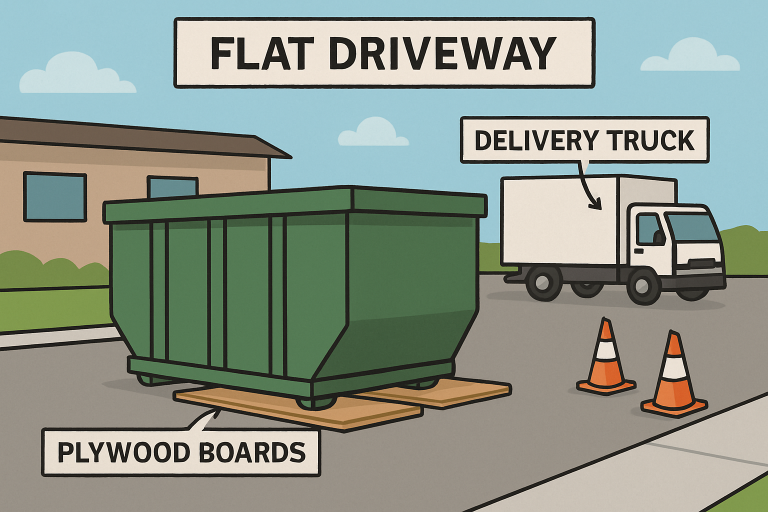
Proper planning for dumpster delivery begins with pinpointing a safe and stable site. Always select a flat, durable surface preferably concrete, asphalt, or well-compacted gravel so the dumpster remains level during use. Avoid grassy lawns and soft soil, as a heavy dumpster may cause ruts or sink, especially in wet weather. Avoid placing dumpsters under low-hanging branches or near power lines to prevent delivery or removal difficulties. Whether renovating, decluttering, or prepping for a big project, finding the perfect garbage dumpster rental service can make the process safe and straightforward.
Scope the area for overhead wires or building eaves that could impede the dumpster’s placement. If you’re working on a tight lot, measure carefully to ensure the site is accessible for delivery equipment. Strategic location choices will protect your property and streamline your project from day one.
Measuring Access Space for the Truck
For hassle-free delivery, it’s critical to ensure that the roll-off truck can easily maneuver in and out. Delivery trucks generally require about 60 feet of length, 10 feet of width, and around 20 feet of vertical clearance. This means driveways and access roads must be cleared of cars, trailers, and bulky equipment before delivery. Discuss alternative drop-off spots with your provider to prevent last-minute complications if your driveway is short or congested.
Measure all approach routes to your chosen spot, checking for obstacles such as parked vehicles, street furniture, or narrow gateposts. A smooth, barrier-free access route speeds delivery and limits accidental damage to your property and the rental equipment.
Protecting Your Driveway
Even sturdy driveways are susceptible to cracking, scratching, or staining under the significant weight of a full dumpster. You can prevent this by laying down plywood sheets beneath the dumpster’s contact points. This simple buffer distributes weight evenly and protects against scuffs and gouges. It’s a must if you’re disposing of dense materials like broken concrete, roof shingles, or masonry debris.
Additionally, sweep the driveway and remove any loose stones or debris that could become pressed into the surface by the dumpster, as even minor obstructions can cause surprisingly large marks. If your project includes heavy objects, discuss with your rental provider the best way to minimize risk to your driveway or parking lot.
Confirming Permits and Local Regulations
Before the dumpster arrives, check with your city or township officials if a permit is required, especially if the container will be placed on public streets or sidewalks. Many local councils enforce strict placement regulations to maintain right-of-way and ensure community safety. Homeowner associations may also restrict dumpster container size, type, and visible duration, often requiring advance notice or written approval.
Starting this process early minimizes the risk of delays, fines, or having to move the dumpster after it’s delivered.
Preparing for Inclement Weather
Extreme weather can complicate both the placement and retrieval of dumpsters. Rain or melting snow can rapidly soften ground surfaces, increasing the likelihood of a sunken or misaligned dumpster. To prepare, monitor forecasts several days before delivery and take preventive steps, such as ensuring gutters and storm drains near the site are clear to prevent water buildup.
Spread gravel or sand around the placement area to further enhance drainage and help stabilize the ground if conditions are expected to be wet. Proactive weatherproofing protects your property and limits service disruption in case of storms or heavy rainfall.
Ensuring Safety Measures
Safety is paramount for projects in busy neighborhoods or work sites. Place reflective markers, cones, or safety barricades around the dumpster especially if it sits near a public right-of-way to alert pedestrians and vehicles to its presence. This is particularly important in low-visibility conditions or high-traffic areas.
Maintaining Clear Access
Keep all walking and driving paths free of clutter. Remove any loose rubbish, bulk items, and ensure ample space for workers or family to move safely around the container. Clearly mark routes to and from the dumpster for delivery personnel and waste haulers to avoid confusion and improve efficiency.
Communicating with Neighbors
If you share access ways or driveways or reside on a narrow street, advanced communication with neighbors is both courteous and practical. Let them know when and where the dumpster will be delivered, and use cones or temporary signs to prevent accidental parking or property conflicts. A simple notice in advance can foster goodwill and mitigate potential complaints or misunderstandings.
Final Preparations
On the delivery day, double-check that your selected area is unlocked, free from last-minute obstructions, and clearly marked for the driver. Use brightly colored tape, placards, or safety cones to outline the desired placement spot. Ensuring all entry gates are open and access points are clear will help your dumpster rental experience go off without a hitch.
Following these detailed steps sets the foundation for a smooth, safe, and efficient dumpster placement. Good preparation protects your property, maintains neighborly relations, and ensures your project proceeds on schedule saving you time, money, and stress throughout your cleanup or renovation process.
For homeowners concerned about surface damage or planning a future property upgrade, consulting local experts in Driveways Wimslow can help ensure your driveway remains durable, protected, and visually appealing during heavy-duty projects like dumpster use.