Key Takeaways
- Understanding basic plumbing maintenance can help prevent major issues and save money.
- Regular checks of faucets, pipes, and drains are essential for a healthy home.
- Learning when to call a professional is as important as knowing basic DIY fixes.
- Educating yourself on water conservation statistics can help you make sustainable choices at home.
- Simple plumbing habits can lead to a safer, more efficient living space.
Why Regular Plumbing Maintenance Matters
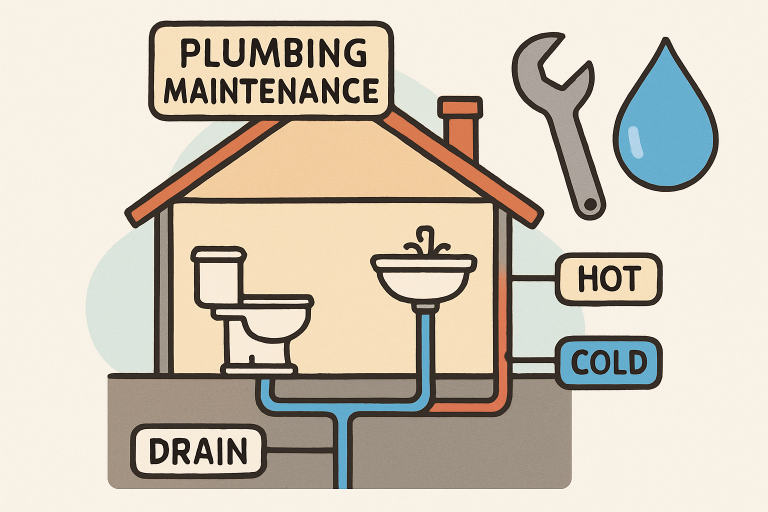
For many homeowners, plumbing systems remain “out of sight, out of mind” until a problem arises. However, regular maintenance helps you avoid emergencies, conserve water, and monitor costs. According to the EPA, household leaks alone can waste nearly 10,000 gallons of water yearly, leading to unnecessary expenses and avoidable repairs. Monthly inspections for drips, corrosion, or odd pipe noises can alert you to small problems before they escalate. For expert advice or help with routine checks, consult a reputable provider such as Lutz Plumbing trusted specialists can ensure your system is always in top condition.
Making plumbing maintenance part of your regular home routine creates a safer environment and minimizes the risk of havoc from undetected leaks or pipe failures. Small investments of time now can prevent frustrating and expensive breakdowns. Proactive care is key to longevity and peace of mind as a homeowner.
Spotting Early Signs of Plumbing Leaks
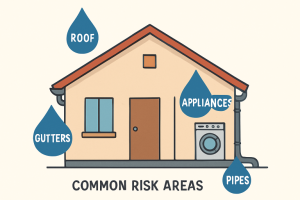
Leaks rarely announce themselves with dramatic floods more often, they creep up quietly and cause subtle but extensive damage. Some of the first indicators of plumbing leaks include unexplained water stains on ceilings, bulging or warped floors, peeling paint, or persistent musty odors. Sometimes, the only clue is a sudden increase in your monthly water bill. Investigating promptly when these signs appear can save you from hidden mold growth, structural damage, and costly restoration.
Inspecting under sinks, around toilets, and behind appliances can reveal pools of water or faint drips.
Simple Ways to Prevent Clogged Drains
Clogs in kitchen or bathroom drains are among the most common and avoidable plumbing headaches. The most basic defense is keeping grease, coffee grounds, and large scraps out of kitchen sinks and using mesh strainers to trap hair, soap scum, and debris in shower and bathroom drains. Regular maintenance can keep pipes free-flowing, like pouring hot water or a safe combination of baking soda and vinegar down slow-moving drains.
Don’t ignore early warning signs, such as gurgling noises or slow-draining water these typically mean a blockage is already forming. Acting quickly when you notice these problems keeps clogs from becoming full blockages, which can require professional intervention.
Taking Care of Your Water Heater
Water heaters quietly work behind the scenes but require an annual checkup for best performance. Over time, sediment builds up inside tanks, reducing efficiency and utility costs. Drain and flush the tank at least once a year to combat this. This simple task extends its lifespan and ensures you always have hot water when needed. Adjust your water heater thermostat to 120°F to balance comfort, safety, and energy savings.
Keep combustibles and storage items clear of the unit to prevent fire hazards. If your water heater is over 10 years old or exhibiting signs like rust, unusual noises, or repeated failures, consult a licensed professional for evaluation or replacement.
Knowing When Small Problems Become Emergencies
Managing minor fixes is empowering, but knowing the difference between a routine issue and a true emergency is crucial. When a pipe bursts, the main water line fails, or raw sewage backs up into your home, immediate action is required. If not addressed quickly, these issues can lead to water damage, mold growth, and serious health risks.
During any flooding or major leak, turn off your home’s main water valve immediately to limit water spread. For complicated situations such as frozen pipes, persistent blockages, or sewer line failures call a trusted, licensed plumber who can resolve the issue safely and efficiently. Don’t wait, as delayed responses may dramatically increase the scope and cost of repairs.
DIY Fixes You Can Try (And When Not To)
Many plumbing fixes are within reach for the average homeowner, especially with the right tools and know-how. Tasks like tightening or replacing a faucet washer, clearing a simple U-bend clog, or re-seating a wobbly toilet can often be tackled confidently. Always shut off the water supply to the relevant fixture before attempting these repairs. Reliable resources provide clear, step-by-step guidance for in-depth demonstrations and troubleshooting.
However, more extensive projects such as working with gas piping, cutting into water supply lines, or handling advanced appliance installations require a professional’s expertise to avoid risks and code violations. Trust your instincts: If a repair feels daunting, leave it to a licensed plumber.
Smart Plumbing Habits to Save Water and Money
Small, sustainable habits pay off for both your wallet and the planet. Always turn off faucets when not in use, fix the smallest leaks promptly, and switch to low-flow toilets and showerheads for substantial water savings. Only run dishwashers and washing machines when full; don’t let garden hoses run unattended. These routines, while simple, ensure you’re not wasting precious resources.
Final Tips for a Trouble-Free Plumbing System
To maintain a healthy plumbing system, keep a toolkit, locate and label the main water shutoff valve, record all repairs and upgrades, and schedule yearly professional inspections for older systems. Regular maintenance and smart habits reduce the risk of expensive repairs and ensure a dependable system for years.
Regular maintenance is key to preventing plumbing issues before they become major headaches. One often overlooked tip is to periodically check for leaks around your home, especially in areas like under sinks and around toilets. Even a small leak can lead to significant water damage over time. If you’re unsure about how to inspect your plumbing system or need professional assistance, consider reaching out to a local expert. For those residing in the area, finding reliable services for plumbing Glenpool can ensure that your home’s plumbing is in top condition. By staying proactive and addressing minor issues promptly, you can save yourself from costly repairs down the line.