Key Takeaways
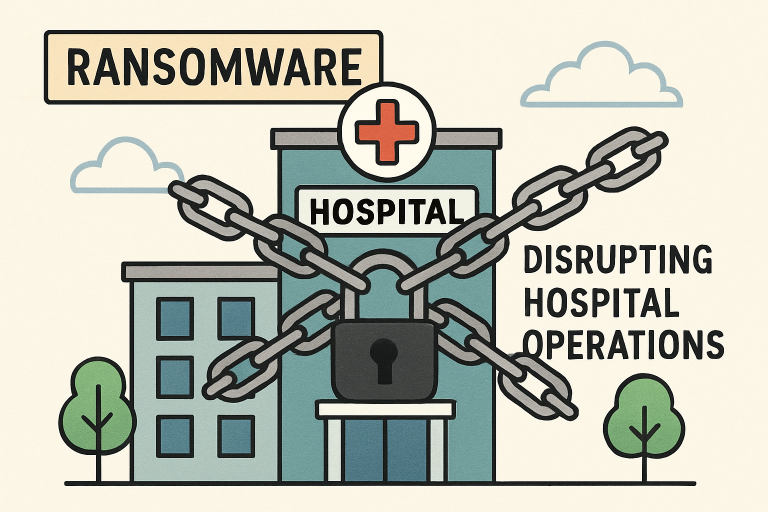
- Ransomware attacks on hospitals are increasing in frequency and impact, jeopardizing patient care, financial stability, and public trust.
- Downtime and recovery costs can cripple healthcare budgets, while disruptions in care result in measurable increases in morbidity and mortality.
- High-profile cases illustrate the widespread consequences of these cyberattacks.
- Building trust after an attack requires robust cybersecurity practices and clear, transparent communication with patients.
Introduction
Hospitals are under siege from a relentless wave of ransomware attacks, leaving patient safety and institutional credibility in jeopardy. These attacks immobilize hospital networks, often at the worst possible times, and demand costly ransoms for the release of encrypted medical data. With patient lives and entire communities dependent on hospital function, the stakes could hardly be higher. To address these mounting challenges, healthcare organizations are increasingly turning to cybersecurity healthcare solutions for hospitals and clinics as a critical line of defense against relentless cyber threats.
The damage incurred by ransomware is not limited to technical glitches or temporary setbacks; it extends to higher mortality rates, compromised patient privacy, and eroded trust in medical providers. As attackers grow more sophisticated, hospitals must respond with comprehensive strategies that protect their patients and uphold their vital missions.
Escalating Frequency of Attacks
Ransomware attacks in the healthcare sector are becoming alarmingly routine. Between 2018 and 2024, a reported 654 ransomware incidents targeted medical organizations, with a record high of 143 attacks in 2023 alone. These breaches have resulted in the compromise of over 88.7 million patient records, serving as a sobering reminder of the persistent vulnerability of hospitals. This trend is driven by the high value of medical data and the often-limited cybersecurity budgets compared to other critical infrastructure sectors.
Even as hospitals implement tougher security protocols, the adaptability of cybercriminals far outpaces many institutions’ ability to keep up, making ongoing vigilance and investment essential. According to a recent report by Reuters, the healthcare sector has become the top target for ransomware gangs worldwide, underscoring the urgent need for heightened digital protection.
Financial Implications
When a ransomware attack strikes, the financial impact quickly escalates beyond the initial ransom demand. Healthcare downtime can cost organizations an average of $1.9 million per day, with cumulative losses reaching $21.9 billion between 2018 and 2024. These figures reflect not only lost revenue and operational disruption but also the steep cost of restoring systems, investigating breaches, notifying affected patients, and managing reputational fallout. The expense of post-attack recovery including upgrading technology, retraining staff, and bolstering legal defenses can strain hospital budgets and impact investments in care delivery.
Moreover, many healthcare organizations face increased insurance premiums if claims are successful, or outright loss of coverage if they cannot meet new, stricter security requirements from insurers further intensifying the economic strain of an attack.
Impact on Patient Care
Perhaps the most devastating aspect of a ransomware attack is its immediate and long-term toll on patient care. When medical records become inaccessible and networked equipment goes offline, hospitals are forced to defer surgeries, reroute emergency cases, or even transfer patients to other facilities. Studies have shown clear spikes in adverse patient events during and after these incidents. For example, stroke code activations have nearly doubled under attack conditions, with confirmed strokes rising by 113.6%. Incidents of cardiac arrest have increased by 81% during ransomware events, with survival rates dropping dramatically from 40% to 4.5%. These sobering statistics translate into real human suffering delays in treatment can mean the difference between recovery and irreversible harm.
Rebuilding Trust
Once a ransomware attack occurs, the loss of public trust is almost inevitable. Patients who believe their privacy or health may be compromised may be less willing to disclose critical information a potentially dangerous outcome in clinical contexts. Transparency is a top priority: hospitals must communicate openly about what happened, what steps are being taken to address the breach, and how patient information will be better protected going forward. Strong cybersecurity policies, regular risk assessments, and clear accountability are essential in rebuilding trust among patients and stakeholders.
Engaging with affected patients and staff, offering credit monitoring, and providing ongoing updates are also important measures that healthcare providers should consider in the wake of any cyber incident.
Preventative Measures
Defending against ransomware requires more than software updates; it calls for a holistic approach to cybersecurity. Hospitals are urged to:
- Adopt comprehensive cybersecurity protocols tailored to the complex nature of healthcare operations.
- Provide regular training and education for all staff, as phishing remains the leading method of infiltration.
- Maintain current, encrypted backups and regularly test their integrity and accessibility.
- Develop, rehearse, and continuously improve incident response plans that address every phase of an attack from detection through recovery.
By fostering a culture of security awareness and rapid response, healthcare institutions can minimize both the likelihood and impact of ransomware attacks.
Final Thoughts
Ransomware attacks in hospitals represent a genuine threat to public health and trust. Their escalating prevalence and impact demand decisive action—not only from IT departments, but from executive leadership, clinicians, and everyone involved in patient care. Investing in cybersecurity is not just a technical necessity; it’s a moral imperative, vital for protecting patients, maintaining operational continuity, and upholding the public trust on which healthcare depends.