Table of Contents
- Understanding the Importance of Rest
- Incorporating Safe Physical Activity
- Developing a Personalized Recovery Plan
- Nutrition’s Role in Recovery
- Monitoring Progress and Adjusting Activities
- Seeking Professional Guidance
- Maintaining Mental Well-being
- Conclusion
Recovering from an injury requires a careful, strategic balance between rest and activity to ensure a safe and efficient return to daily routines, sports, and other physical activities. It is a process that demands patience and understanding, as pushing the body too hard too soon can risk setbacks, while being overly cautious might prolong healing. Engaging in expert physical therapy services in Lexington, such as those offered by Move Smart, provides individuals with access to tailored rehabilitation programs crafted by skilled professionals. Move Smart is renowned for its patient-centered, holistic approach to physical therapy, offering one-on-one sessions that focus on restoring and improving physical function while taking each patient’s goals and limitations into account. The combination of professional support and a personalized recovery plan can significantly improve both short- and long-term recovery outcomes.
Understanding the Importance of Rest
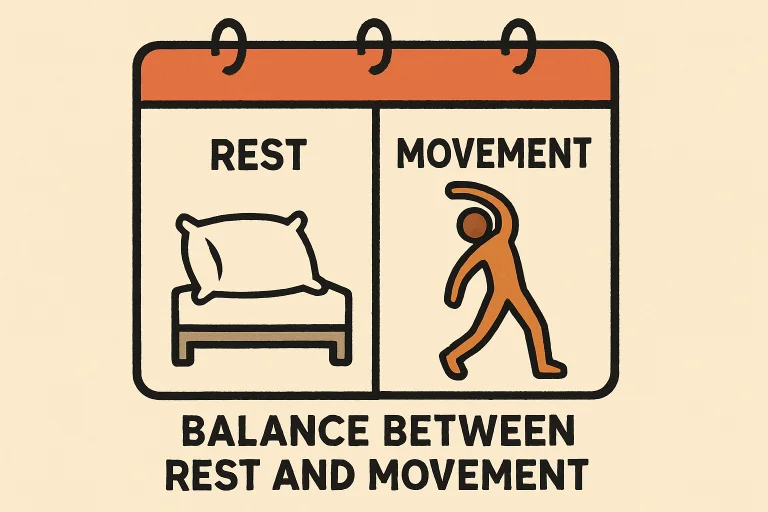
Rest is a fundamental component of the healing process after any injury, whether it’s a sprained ankle, a muscle strain, or a more serious condition. Rest allows the body to repair damaged tissues at a cellular level, reducing inflammation, swelling, and pain. It is during periods of rest that the body’s natural repair mechanisms are most efficient, rebuilding strength and resilience in injured tissues. However, prolonged inactivity can lead to adverse effects, including muscle atrophy, joint stiffness, and decreased range of motion. If rest is not balanced with gradual reintroduction of movement, recovery may actually take longer. This is why healthcare and rehabilitation professionals stress the need for controlled rest, enough to initiate healing, but not so much as to cause unnecessary deconditioning.
Incorporating Safe Physical Activity
Engaging in appropriate, carefully monitored physical activity during recovery has been shown to promote healing and support overall health. Safe movement helps stimulate blood flow to the affected area, delivering the nutrients and oxygen needed to aid in tissue repair. According to a study published in the British Journal of Sports Medicine, adolescents who returned to school and engaged in light activities such as walking, stretching, or non-strenuous tasks shortly after a concussion experienced faster symptom resolution than those who rested entirely. The study emphasizes that while safe, controlled activities can aid recovery, excessive inactivity or, conversely, spending too much time on screens and sedentary behaviors can actually hinder progress and prolong symptoms. Thus, tailored exercise recommendations are crucial for facilitating an optimal recovery environment.
Developing a Personalized Recovery Plan
Developing a recovery plan tailored to each person’s specific needs is vital for efficient healing. Such a plan should account for the type and severity of the injury, underlying health conditions, age, baseline activity level, and personal recovery goals. Consulting with healthcare professionals, such as physical therapists at Move Smart, can provide valuable guidance on which exercises and activities are safe to perform and which should be avoided. Rehabilitation specialists can help outline a program that introduces low-impact activities and gradually progresses to more demanding exercises as healing progresses. This collaborative, goal-oriented approach not only maximizes recovery but also empowers individuals to take ownership of their injury rehabilitation, boosting motivation and confidence.
Nutrition’s Role in Recovery
Proper nutrition is a cornerstone of the recovery process, playing a critical role in how quickly and effectively the body can heal after an injury. Consuming a balanced diet rich in proteins aids tissue repair, while vitamins and minerals such as vitamin C, D, calcium, and zinc help reduce inflammation and support bone, tendon, and ligament health. The Defense Health Agency has highlighted the importance of nutritional interventions in supporting optimal recovery from both acute and overuse injuries. Hydration is also a crucial yet sometimes overlooked factor that supports metabolic processes related to cell regeneration. Making mindful food choices and, when appropriate, consulting a registered dietitian or doctor ensures the body has all the resources it needs to heal and facilitate a quicker return to pre-injury performance.
Monitoring Progress and Adjusting Activities
Regularly monitoring recovery progress is essential to make sure the chosen activities are beneficial rather than harmful. One effective way to track recovery is to keep a journal, recording daily physical activities, pain or discomfort levels, swelling, fatigue, and other symptoms. By reviewing progress over time, patterns may emerge that help patients and care teams make informed decisions about whether to increase, maintain, or reduce activity levels. If setbacks or new symptoms develop, early identification through journaling enables swift adjustments to the rehabilitation plan. This proactive and observant stance increases the likelihood of a successful recovery without complications or unnecessary delays.
Seeking Professional Guidance
Professional support can significantly enhance both recovery experience and outcomes. For instance, expert physical therapy services in Lexington, offered by Move Smart, provide comprehensive, individualized care that adapts to each patient’s progress. Move Smart’s evidence-based practices put patient safety first, ensuring optimal healing rates and avoiding relapses. Physical therapists not only prescribe specific exercises, but also teach proper movement techniques to prevent compensation patterns or re-injury. Having a healthcare professional oversee rehabilitation fosters accountability, encourages motivation, and can reduce anxiety about returning to activity too soon or too late. Expert guidance also ensures that any unexpected changes in symptoms or setbacks are dealt with promptly and effectively.
Maintaining Mental Well-being
Recovery after an injury is not purely a physical journey; mental health must also be prioritized. Injuries often disrupt daily life and routines, which can lead to frustration, anxiety, or even feelings of isolation. Staying connected with family and friends, seeking encouragement, and talking openly about challenges can help lessen emotional distress. Participating in enjoyable or relaxing non-physical activities, such as listening to music, reading, or meditating, helps keep the mind engaged. Practicing mindfulness, deep breathing, or visualization techniques can help manage stress and promote a positive outlook, both of which have been shown to assist with overall healing and resilience during recovery.
Conclusion
Balancing activity and recovery after an injury requires a thoughtful, well-rounded approach that includes adequate rest, appropriate periods of physical activity, mindful nutrition, and steadfast attention to mental health. By embracing personalized recovery plans, leveraging professional guidance, nourishing the body, and caring for mental wellness, individuals greatly increase their chances of making a strong, confident return to daily activities and hobbies. Remaining proactive, flexible, and patient throughout the healing process is essential for the best possible outcome.