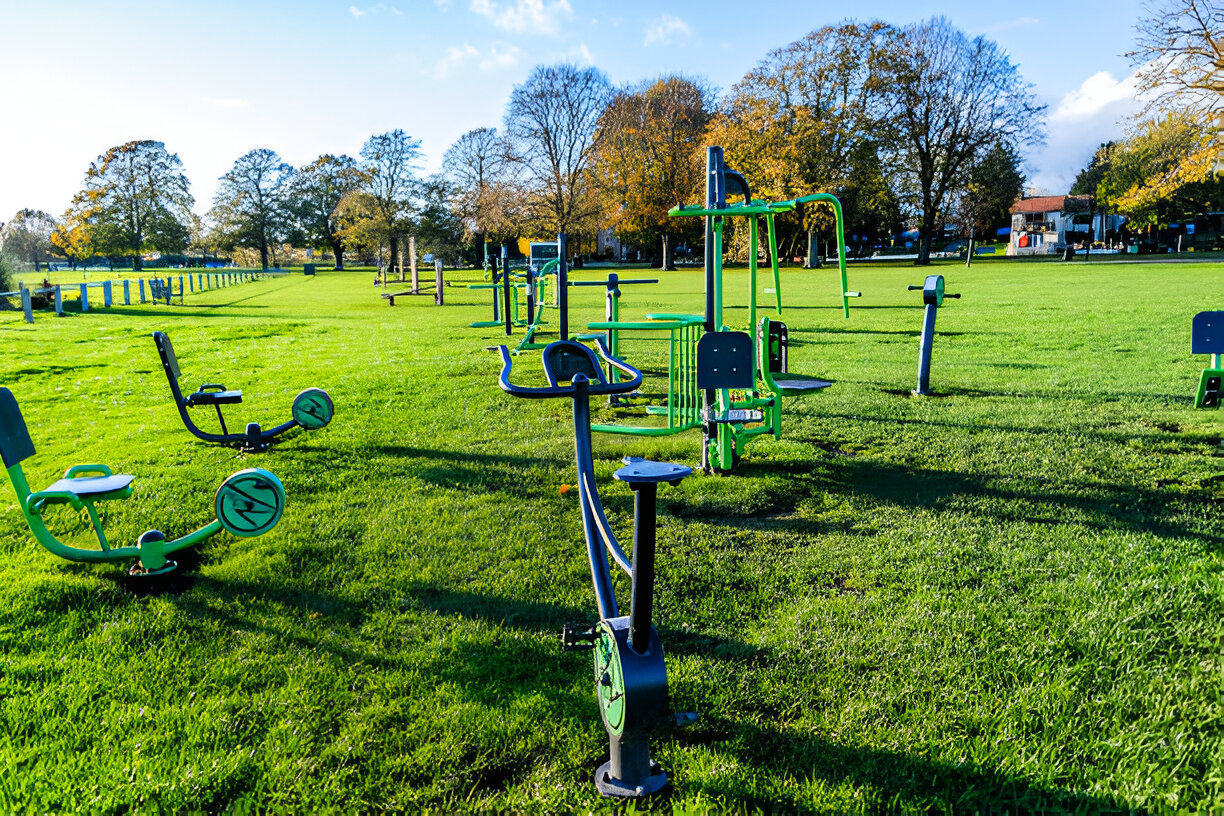
I’ve been setting up outdoor workout spaces for about five years now, and I can tell you that buying cheap equipment is like throwing money into a fire pit. Premium outdoor gym equipment might cost more upfront, but when you break down the cost per workout over several years, it’s actually cheaper than constantly replacing broken budget gear. Last summer, I watched my neighbor’s bargain pull-up bar literally fall apart mid-workout – not exactly the motivation you want for staying fit. After testing dozens of pieces across different price ranges and weather conditions, the differences in quality, durability, and user experience are pretty dramatic.
Weather Resistance That Actually Works
Most people don’t realize how brutal outdoor conditions can be on exercise equipment. I live in Ohio where we get everything from humid 95°F summers to -10°F winters with ice storms thrown in for fun. Cheap equipment starts rusting within months, develops loose joints, and becomes unsafe to use.
Premium manufacturers like TRX and Rogue Fitness use marine-grade stainless steel and specialized powder coatings that actually hold up. The difference isn’t just cosmetic – corroded equipment can fail catastrophically. I’ve seen budget resistance bands snap during use because UV exposure weakened the rubber, and rusted weight plates that became impossible to remove from bars.
Quality outdoor equipment undergoes salt spray testing that simulates years of exposure in compressed timeframes. This testing reveals which materials and coatings will survive real-world conditions. The powder coating on premium equipment typically lasts 5-7 years before showing significant wear, while cheap alternatives often start flaking within the first season.
Long-Term Cost Analysis
Here’s the math that changed my perspective completely. A premium outdoor pull-up station costs around $800-1200, while a budget version runs $150-300. Seems like an obvious choice for the cheaper option, right? Wrong.
Over three years, I’ve replaced four different budget pull-up bars due to weather damage, structural failures, and general wear. That’s roughly $1,200 spent on equipment that never worked reliably. Meanwhile, the premium station I finally bought has performed flawlessly for two years and shows minimal wear.
Beyond replacement costs, consider the hidden expenses of cheap equipment. Poor-quality gear often requires additional purchases like rust treatment, replacement hardware, or safety modifications. These costs add up quickly and still don’t deliver the reliability of starting with quality equipment.
Enhanced Workout Effectiveness
Premium equipment simply works better for achieving fitness goals. The difference in build quality translates directly to workout quality. Wobbly equipment forces your body to compensate for instability, which can lead to poor form and reduced effectiveness.
High-end resistance systems maintain consistent tension throughout the entire range of motion. Cheap bands and cables often have inconsistent resistance that makes progressive training difficult. When you’re trying to build strength systematically, these inconsistencies become major obstacles.
The ergonomics of premium equipment are significantly better too. Proper grip sizes, appropriate padding, and well-designed angles reduce fatigue and allow for longer, more productive workouts. I noticed immediately that my workout sessions became more enjoyable and effective when I upgraded to quality equipment.
Safety Considerations You Can’t Ignore
This is where the cost difference becomes irrelevant. Premium outdoor gym equipment undergoes rigorous safety testing and certification processes. Budget equipment often skips these expensive tests, leaving users at risk.
Weight ratings on cheap equipment are often inflated or completely fabricated. I’ve tested budget equipment that failed at 60% of its claimed capacity. Premium manufacturers provide independently verified load ratings with safety factors built in. When you’re hanging from a pull-up bar or loading a squat rack, these specifications aren’t suggestions – they’re life-safety requirements.
Quality equipment also includes proper safety features like secure locking mechanisms, non-slip surfaces, and fail-safe designs. These features might seem minor until you need them. A friend injured his back when a cheap adjustable bench collapsed because the locking pin failed. That medical bill far exceeded what a quality bench would have cost.
Motivation and Consistency Factors
Something I didn’t expect was how much better equipment motivated me to work out more consistently. When your gear works reliably and feels solid, exercising becomes more enjoyable. There’s a psychological aspect to using quality tools that enhances the entire experience.
Poor equipment creates frustration that can derail fitness routines. Nothing kills workout motivation like dealing with wobbly, squeaky, or unreliable gear. When I had cheap equipment, I found myself making excuses not to work out because the experience was unpleasant.
Premium equipment also tends to have better adjustability and versatility. This means you can progress your workouts over time without outgrowing your equipment. Budget gear often has limited adjustment ranges that become restrictive as your fitness improves, requiring additional purchases to continue advancing.
Community and Social Benefits
Quality outdoor gym setups attract positive attention from neighbors and friends, often leading to group workouts and increased motivation. Well-designed equipment creates an inviting space that people want to use and be around.
Cheap, deteriorating equipment has the opposite effect – it looks unprofessional and can even decrease property values. Investing in quality equipment creates an outdoor fitness space that enhances your property and lifestyle rather than detracting from it.