Key Takeaways
- Implementing real-time progress monitoring dramatically improves patient outcomes by enabling swift intervention.
- AI and machine learning provide a foundation for both personalized care and operational streamlining.
- Wearable health technology enables continuous monitoring and supports tailored treatment adjustments.
- Telehealth expands the reach of detox services beyond traditional boundaries, ensuring greater access to care.
- Adopting transparent, ethical marketing strategies enhances trust within your local and digital community.
Table of Contents
- Implementing Real-Time Progress Monitoring
- Leveraging AI and Machine Learning
- Adopting Wearable Health Technology
- Expanding Access Through Telehealth Services
- Building Trust with Ethical Marketing
- Enhancing Online Visibility with SEO Strategies
- Personalizing Treatment Protocols
- Preparing for Future Trends in Detox Marketing
In a rapidly evolving healthcare marketplace, detox centers face the challenge of not only providing effective treatment but also remaining visible and competitive. Embracing advanced, data-driven methods can revolutionize your facility’s approach, improving operational efficiency and patient outcomes. By integrating analytics and innovative technologies, centers position themselves for future growth and relevancy. Leveraging digital strategies such as Drug Detox Marketing can elevate your facility’s exposure while ensuring the quality of care remains paramount.
Prioritizing data in patient care enables clinicians to adapt to real-time needs, address treatment gaps, and foster a personalized journey for every individual seeking recovery. At the same time, these technologies can expand your outreach, helping individuals in underserved or remote areas connect to practical support. With a comprehensive approach that blends technology, ethical outreach, and innovative medical practices, detox centers can thrive in an increasingly digital world.
Continued adoption of new technologies, such as wearable health devices and AI, not only helps customize treatment plans but also enables providers to monitor progress and risks proactively. This data-centric mindset gives centers a clear advantage as patient expectations evolve and regulations become more stringent.
Transparent marketing, supported by honest communication about services and outcomes, further builds community trust and elevates your center’s reputation. Carefully applied, the following strategies will place your facility at the forefront of patient-centered, data-driven addiction care.
Implementing Real-Time Progress Monitoring
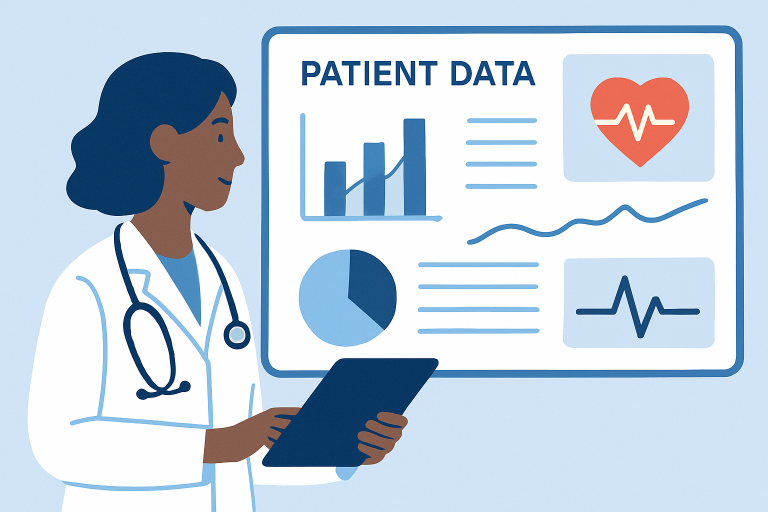
Real-time tracking tools empower detox clinicians to monitor each patient’s progress hour by hour, rather than relying on retrospective reports. Digital platforms and dashboards aggregate and analyze data on vital signs, medication adherence, behavioral patterns, and potential withdrawal complications. This responsive approach enables immediate adjustments to care, which significantly improves long-term recovery rates. Research has shown that prompt intervention based on data can reduce relapse incidents and enhance overall patient well-being.
Leveraging AI and Machine Learning
Artificial intelligence and machine learning are transforming addiction treatment by processing substantial volumes of clinic and patient data. These technologies identify correlations between treatment modalities and patient outcomes, enabling centers to forecast relapse risk and tailor interventions. For example, AI algorithms can assess behavioral trends and make recommendations that improve both operational processes and clinical outcomes, paving the way for a more personalized and efficient system of care.
Adopting Wearable Health Technology
Wearable devices such as smartwatches and fitness trackers offer continuous, real-time data about vital signs, sleep cycles, and daily activity levels. These insights equip clinicians with the information needed to personalize care, flagging changes that may signal early relapse or medical complications. With remote monitoring, healthcare professionals can remain proactive and responsive, effectively supporting patients both during inpatient treatment and as they transition home.
Expanding Access Through Telehealth Services
Telehealth is making addiction and detox services more accessible for patients in distant or medically underserved locations. Virtual appointments reduce barriers, such as a lack of transportation or stigma associated with in-person visits. This digital expansion means patients can receive ongoing guidance, therapy, and medication follow-ups without leaving home. The broader reach of telehealth not only supports those most at risk but also increases your center’s service area and impact.
Building Trust with Ethical Marketing
Transparency and integrity are vital in healthcare promotion. Ethical marketing involves providing precise details about your facility’s services, pricing, and treatment successes, helping individuals and families make informed choices. An honest approach improves your local reputation and can foster long-term relationships within the community. Centers that openly share patient outcomes and prioritize accuracy in advertising distinguish themselves from less reputable competitors, encouraging lasting trust.
Enhancing Online Visibility with SEO Strategies
Effective search engine optimization (SEO) ensures that individuals searching for addiction support find your detox center first. Keywords relevant to addiction recovery, detoxification, and regional healthcare trends should be strategically woven throughout your site content. Regularly updated blog posts, comprehensive service pages, and engaging educational resources help attract a qualified audience while boosting your center’s ranking on search platforms.
Personalizing Treatment Protocols
Modern advancements in genetics and AI-driven analytics now allow treatment providers to create deeply individualized recovery plans. By considering the unique biological, psychological, and social factors influencing each patient, clinicians can optimize protocols that promote engagement and healing. Such a tailored strategy raises the likelihood of long-term recovery success and demonstrates your commitment to cutting-edge, patient-centric care.
Preparing for Future Trends in Detox Marketing
The landscape of detox marketing is evolving alongside technological innovation. Virtual reality for therapeutic interventions, blockchain for secure patient data management, and predictive analytics tools are moving from concept to clinical reality. By staying informed about upcoming trends and piloting new technologies, detox centers ensure continued relevance and effectiveness. Early adoption of these advances could set your facility apart and secure patient loyalty for years to come.
Data-driven strategies do more than improve operational efficiency; they lay the groundwork for elevated patient outcomes, higher satisfaction, and sustained organizational growth. By proactively integrating these digital tools and ethical practices, your detox center can thrive in today’s complex healthcare environment and remain prepared for whatever comes next.