Key Takeaways
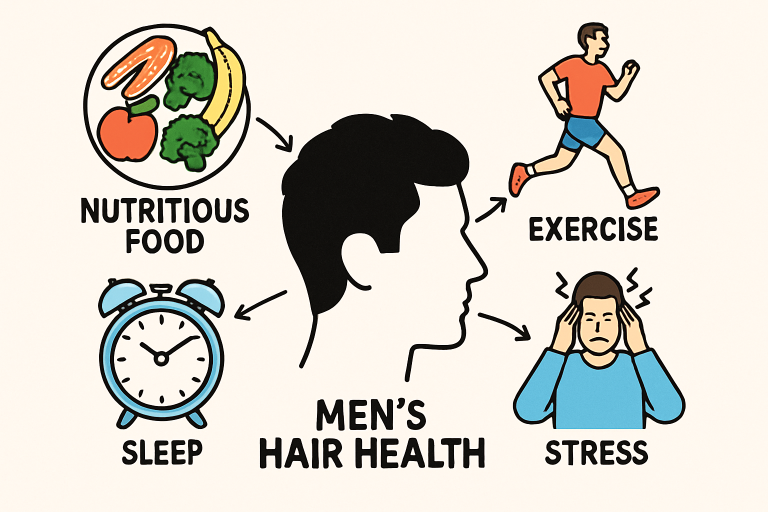
- Nutrition has a significant impact on hair health; deficiencies can lead to hair loss and reduced growth.
- Stress and inadequate sleep can disrupt hair growth cycles, causing temporary or even long-term thinning.
- Smoking and excessive alcohol consumption negatively affect hair follicles and scalp health over time.
- Regular exercise promotes better circulation, which carries vital nutrients and oxygen to hair follicles, benefiting hair growth.
- Proper and gentle hair care routines help prevent damage and support the overall vitality and longevity of your hair.
For many men, maintaining healthy hair often seems like a matter of luck, with some believing that thick, full hair is simply a matter of chance. However, while genetics undoubtedly play a role, your everyday lifestyle choices have a tremendous influence on hair vitality and overall hair health. Habits that may appear unrelated such as your eating routine, how you manage stress, or even your approach to sleep can all significantly impact the strength, growth, and resilience of your hair. As more men become aware of the power of self-care, the market for supplements has also expanded, making products like the best hair growth supplements for men, a popular area of exploration. It’s essential to view these supplements as complementary support for hair maintenance, working best in conjunction with positive lifestyle changes for optimal results.
Healthy hair is the product of conscious daily decisions and attention to the body’s needs. Beyond genetics, factors such as your diet, physical activity routine, stress management methods, sleep habits, and grooming practices all play central roles in determining hair quality. By being mindful of these lifestyle choices, men can go beyond what nature provides and actively support the strength, shine, and resilience of their hair. Embracing a holistic approach enables you to transition from a place of resignation to one of empowerment, opening the door to healthier hair through simple changes to your everyday behaviors.
Nutrition: The Foundation of Healthy Hair
Hair follicles are among the most actively growing cells in the human body, and they rely on a steady stream of nutrients to thrive. Proteins, vitamins, and essential minerals are all critical building blocks for strong, healthy hair. Deficiencies in key nutrients such as iron, vitamin D, biotin, and zinc have been closely linked to thinning, shedding, or even more severe forms of hair loss. Incorporating foods like eggs, salmon, lentils, leafy green vegetables, seeds, and whole grains can dramatically benefit your follicles, helping keep the hair growth cycle running smoothly and supporting the production of strong, vibrant hair strands. Consuming foods high in antioxidants—found in colorful fruits and vegetables—further shields hair cells from the damaging effects of oxidative stress, which can prematurely weaken hair.
Research is increasingly highlighting the vital role of micronutrients in promoting sustainable hair growth. As outlined in a comprehensive review by Healthline, balanced diets that feature a variety of vitamins and minerals support not only the visible aspects of hair, such as texture and shine, but also the underlying structures, including the follicle and papilla. In short, a diet that is rich in whole, minimally processed ingredients serves as a foundation for great hair, making nutrition a non-negotiable element in any hair health regimen.
Stress and Sleep: Silent Culprits
Chronic psychological stress is a silent adversary to hair health. When the body is exposed to ongoing stress, it produces higher levels of cortisol the so-called “stress hormone” which can push hair follicles prematurely into the resting or shedding phase. This disruption often results in excessive, sudden shedding known as telogen effluvium. Just as crucial, sleep deprivation can significantly impair the body’s natural ability to repair and regenerate tissues, including those within the scalp and at the base of the hair. When sleep is consistently insufficient, the scalp’s micro-environment is negatively affected, and you might notice increased hair fragility, dullness, or thinning. To counter these negative forces, men should dedicate time each day to managing stress, whether through mindfulness practices such as meditation, yoga, or gentle exercise. Equally, making sleep a priority with a consistent schedule and seven to nine hours per night creates ideal conditions for hair restoration and growth.
If you’re unsure where to start with stress management or sleep hygiene, taking small steps can yield noticeable improvements. Start with something as simple as daily breathing exercises, a five-minute guided meditation, or creating a pre-bedtime routine that helps signal your body it’s time to unwind. Over time, these seemingly minor adjustments can help support your overall sense of well-being and by extension, your hair health.
Smoking and Alcohol: Hidden Adversaries
Though the effects of smoking and excessive alcohol consumption are often discussed in terms of lung or liver health, these habits can wreak havoc on your hair as well. Smoking damages the vascular system, hindering healthy blood flow, which in turn deprives the hair follicles of essential oxygen and nutrients. Compromised circulation can leave hair noticeably dull, fragile, and less resilient to daily wear and tear. Meanwhile, excessive alcohol dries out your entire system, negatively impacting the scalp’s moisture level and blocking the absorption of essential vitamins and minerals for healthy hair. The result can be brittle, slow-growing hair prone to breakage or loss. Studies suggest that men who reduce or eliminate these substances from their daily routines often experience gradual but significant improvements in their scalp health, as nutrient delivery and hydration are restored.
Exercise: Boosting Circulation and Hair Growth
Regular physical activity benefits far more than your waistline or cardiovascular health. Regular exercise promotes optimal blood circulation, ensuring a robust flow of nutrients and oxygen is delivered directly to your hair follicles. Even moderate levels of aerobic activity—such as brisk walking, jogging, swimming, or cycling facilitate this increased flow, enhancing hair thickness and reducing the chances of premature thinning. The Centers for Disease Control and Prevention (CDC) recommends at least 150 minutes of moderate exercise per week, which not only supports heart and metabolic health but also lays the groundwork for a more fertile environment for hair growth. Insights from Live Science reveal a strong correlation between regular physical activity and stronger, healthier hair among men, underscoring why movement should be a staple in any hair care effort.
Hair Care Practices: Gentle and Consistent
Your daily grooming choices carry as much weight as your nutritional habits. Overwashing hair can strip away natural protective oils, leaving the scalp dry and the hair shaft prone to brittleness. Using harsh shampoos that contain sulfates or other strong detergents can exacerbate irritation, especially for individuals prone to sensitivity or dandruff. Men are advised to opt for gentle, sulfate-free formulations and to wash with lukewarm water rather than hot water, as this is less likely to dehydrate the scalp. Beyond cleansing, minimizing the use of heat styling tools such as blow dryers or straighteners and avoiding tightly pulled-back hairstyles helps guard against breakage and traction alopecia, a sadly common but entirely preventable form of hair loss. Experiment with different grooming routines to find what works best for your hair type and scalp needs, paying close attention to product labels and how your scalp feels after washing or styling.
Hydration: Essential for Scalp Health
Staying properly hydrated is essential for virtually every system in the body, and the health of your scalp and hair is no exception. When your scalp is well-hydrated, it’s better able to maintain a protective barrier, support supple hair growth, and reduce the risk of brittleness or flakiness. Experts recommend drinking at least 8-10 glasses of water daily, and even more during periods of exercise, heat, or illness. You can also boost scalp hydration by incorporating water-rich foods such as cucumbers, oranges, and watermelon into your daily meals. A hydrated scalp creates an ideal environment for new hair to grow and thrive while reducing itchiness, dandruff, or other discomforts that can impair hair vitality.
Final Thoughts
While genetics set the stage for your basic hair type and growth patterns, your day-to-day choices ultimately shape the quality, strength, and endurance of your hair as you age. By prioritizing a nutrient-rich diet, practicing stress-reduction techniques, aiming for restorative sleep, avoiding risky behaviors such as smoking and excessive drinking, exercising regularly, adopting gentle hair care routines, and staying consistently hydrated, you can significantly improve both the appearance and longevity of your hair. The road to healthy hair is accessible to every man willing to invest in small, consistent changes proving that you have more influence over your hair’s future than you may have been led to believe. Embracing a holistic approach can make the dream of vibrant, resilient hair a reality.