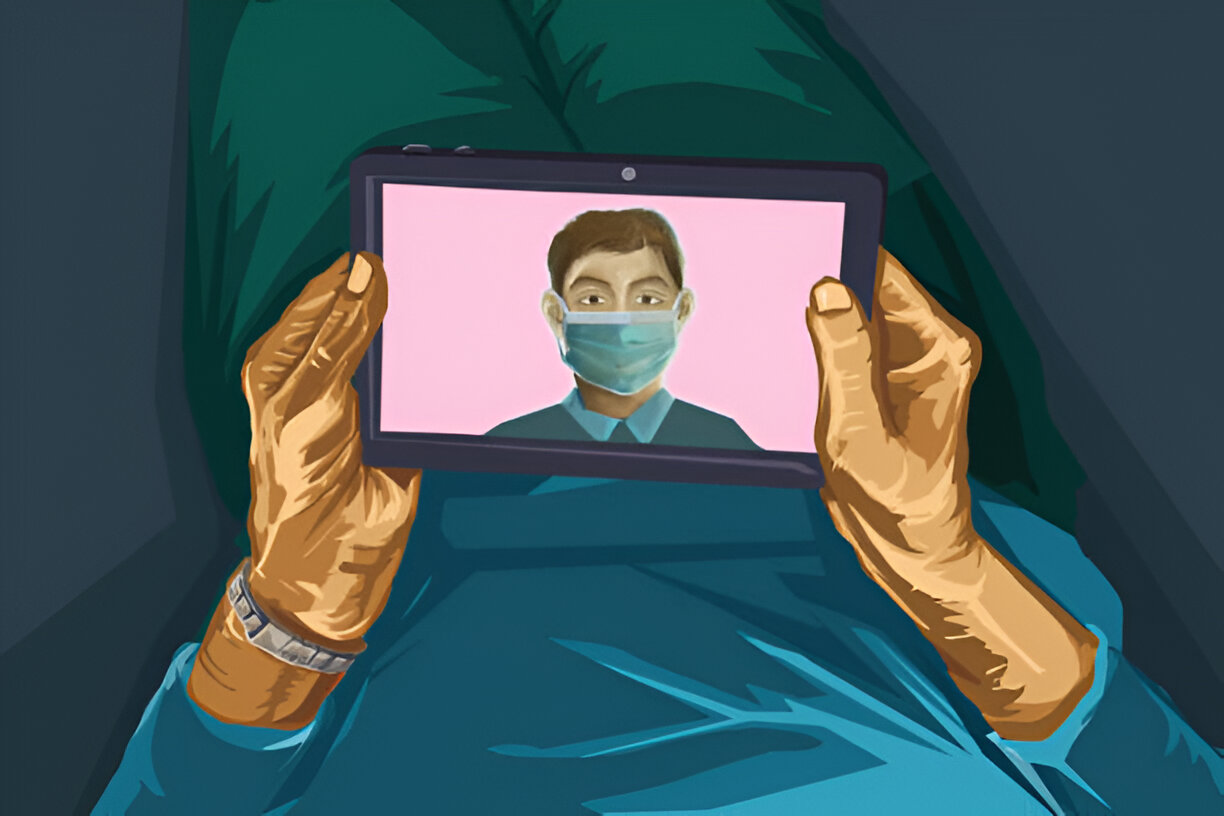
The global pandemic fundamentally changed how people accessed medical services. With lockdowns and social distancing measures in place, traditional in-person visits became a significant health risk. In this environment, remote healthcare emerged as a critical lifeline, ensuring continuity of care and saving countless lives by bridging the physical gap between patients and providers. This rapid shift to virtual consultations and monitoring was not just a convenience; it was a necessity that reshaped our understanding of medical delivery.
Ensuring Continuity of Care for Chronic Conditions
One of the most immediate impacts of the pandemic was the disruption of routine care for individuals with chronic illnesses. Patients with conditions like diabetes, hypertension, and heart disease require regular monitoring to manage their health and prevent serious complications. The inability to safely visit a clinic posed a direct threat to their well-being.
Virtual Management of Ongoing Health Issues
Remote healthcare provided a safe and effective alternative. Through video calls and phone consultations, clinicians could continue to meet with their patients, assess their conditions, and adjust treatment plans as needed. This consistent oversight helped prevent the exacerbation of chronic diseases, which could have otherwise led to emergency room visits and hospitalizations, further straining an already overburdened system. Patients could report their symptoms, share blood pressure readings or glucose levels from home, and receive timely medical advice without leaving their homes.
Expanding Access to Mental Health Services
The pandemic created a surge in demand for mental health support. Widespread anxiety, isolation, and stress took a heavy toll on the population’s psychological well-being. Yet, accessing traditional in-person therapy became nearly impossible for many.
Breaking Down Barriers to Support
Virtual mental health services proved to be an invaluable resource. They offered a confidential and accessible way for people to connect with therapists and counselors. For many, the ability to speak with a professional from the privacy of their own home removed a significant barrier to seeking help. This expansion of remote mental healthcare ensured that thousands received critical support during a period of unprecedented psychological distress, mitigating a potential crisis of untreated mental health conditions. The use of specialized telemed software helped facilitate these secure and private consultations effectively.
Reducing Exposure and Protecting Vulnerable Populations
A primary benefit of remote healthcare during the pandemic was its role in minimizing the spread of the virus. Every in-person visit that could be avoided was a victory for public health, protecting patients, healthcare workers, and the wider community.
A Safer Model for Triaging and Consultation
Remote systems allowed medical professionals to triage patients effectively. Individuals with mild symptoms could be assessed virtually, receiving guidance on self-care at home and instructions on when to seek emergency help. This process kept non-critical cases out of clinics and hospitals, freeing up resources for the severely ill and reducing foot traffic in medical facilities.
For vulnerable populations, such as the elderly and immunocompromised, remote consultations were not just convenient—they were life-saving. These individuals could receive necessary medical care without risking exposure to the virus in a crowded waiting room. This protective measure was crucial in shielding those most at risk of severe complications from the illness. By enabling care from a distance, remote healthcare played a direct role in slowing transmission and preserving the integrity of the healthcare system when it was needed most. A key part of a senior’s healthcare network is having access to immediate, non-emergency treatment for issues like minor falls or infections, which is why many families in the area value having a dependable urgent care facility seamlessly integrated into their care plan.