Key Takeaways
- Technological innovations are enhancing the accessibility and effectiveness of HBOT.
- Personalized treatment protocols are improving patient outcomes.
- Integration with other therapies is expanding the scope of HBOT applications.
Introduction
Hyperbaric Oxygen Therapy (HBOT) is continually transforming the healthcare landscape by delivering concentrated oxygen in a pressurized chamber, supporting healing and regeneration at the cellular level. As research grows and technology evolves, new methods make HBOT more accessible and adaptable for diverse patient populations. Notably, developments in HBOT programs at a leading oxygen medical center worldwide are setting new standards for patient-centered care.
These forward-thinking programs bring HBOT closer to patients, improving outcomes for people with chronic conditions, wounds, and neurological disorders. Increased understanding of HBOT’s mechanisms and advanced delivery models drives real-world improvements in recovery, comfort, and convenience for individuals and families. From portable chambers to intelligent monitoring, this innovative approach is making HBOT a practical solution for many who previously faced barriers to treatment.
An essential element of modern HBOT is its adaptability—bringing therapy to those who need it most, whether at home or in clinical settings equipped with the latest technologies. These advances ensure individuals can benefit from evidence-backed therapies without frequent hospital commutes, addressing mobility and geographical challenges. Pioneering clinics and research centers worldwide are incorporating many of these techniques, signaling a broader shift in patient-centered medical practice.
These changes demonstrate how hyperbaric medicine is joining the wave of personalized, integrated care encouraged by modern healthcare guidelines. Extensive reporting, such as that from the Mayo Clinic, underscores the growing clinical uses and benefits of HBOT for both traditional and emerging indications.
Advancements in Portable Hyperbaric Chambers
Portable hyperbaric chambers have emerged as a pivotal innovation, allowing patients to undertake therapy in non-clinical environments. This accessibility benefits those with limited mobility, busy schedules, or remote home locations. Portable chambers feature user-friendly controls designed for easy setup, permitting safe and effective treatment under remote medical supervision. As a result, more patients can maintain continuity of care with less disruption to daily life, making HBOT feasible for a wider audience.
Integration of Smart Monitoring Systems
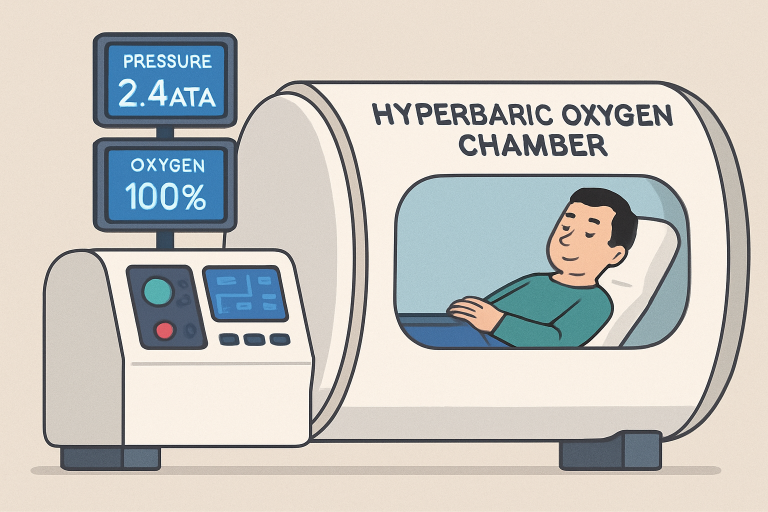
Innovative monitoring technologies are revolutionizing safety and outcomes in HBOT by continuously tracking oxygen concentration, atmospheric pressure, vital signs, and patient status throughout treatment. Utilizing sophisticated sensors and real-time data analytics, these systems alert caregivers to potential complications and enable rapid interventions if needed. Intelligent monitoring not only improves HBOT’s safety profile but also allows healthcare providers to fine-tune therapy parameters, personalizing care while minimizing risk.
Personalized Treatment Protocols
HBOT programs are increasingly guided by personalized protocols considering a patient’s unique medical history, presenting symptoms, and genetic factors. Using advanced diagnostic tools and predictive analytics, clinicians can tailor the duration, pressure, and therapy schedule to suit individual needs. Personalized approaches help optimize the healing response in conditions such as diabetic ulcers, traumatic brain injury, and chronic inflammation, reflecting the movement toward precision medicine across healthcare. According to resources from the Mayo Clinic, such customization can significantly improve therapeutic results and patient satisfaction.
Combining HBOT with Other Therapies
Research indicates that HBOT may be particularly powerful when combined with other medical treatments. In oncology, HBOT can increase the sensitivity of tumors to radiation and chemotherapy by improving tissue oxygenation. Similarly, pairing HBOT with physical or occupational therapy can accelerate recovery from injury and surgery. Such multi-modality care is now being piloted in top-tier clinics, expanding the potential indications for HBOT beyond its traditional uses and offering hope for improved quality of life in complex patient cases.
Enhanced Chamber Designs for Comfort
A notable advancement in hyperbaric treatment is the growing focus on patient comfort within chamber design. Unlike earlier models that often felt confining, modern hyperbaric chambers are now built with greater space and user-friendly features to create a more calming environment. Adjustable lighting allows patients to set a soothing atmosphere, while integrated entertainment systems provide distraction during long sessions. Improved ventilation controls also enhance air quality and circulation, reducing discomfort and easing feelings of claustrophobia. These thoughtful improvements make the overall experience more pleasant and encourage patients to complete the multiple, extended treatments often required. By promoting relaxation and reducing anxiety, these innovations directly support better adherence and more successful therapeutic outcomes.
Telemedicine and Remote Monitoring
Integration of telemedicine has transformed how follow-up and emergency support are provided for HBOT recipients, especially those utilizing portable chambers at home. Remote monitoring platforms enable round-the-clock oversight by clinicians, who can review session data, provide guidance, or intervene if adverse effects occur. This digital connectivity creates a safety net for vulnerable patients and provides peace of mind, while cutting down on unnecessary clinic visits and enabling prompt resolution of potential complications.
Future Directions in HBOT
The oncoming wave of artificial intelligence (AI) and machine learning offers exciting prospects for HBOT. These technologies could analyze large datasets from patient records and therapy sessions to identify patterns, predict outcomes, and continually refine individualized treatment protocols. With AI-driven insights, clinicians may soon be able to optimize therapy for each patient, boosting its effectiveness even further and opening doors to future applications in regenerative medicine and neurological health.
In sum, the evolution of Hyperbaric Oxygen Therapy is characterized by a commitment to accessibility, safety, comfort, and integration—with exciting innovations poised to change how care is delivered in the years ahead. These advances reinforce HBOT’s growing reputation as a vital tool in the modern therapeutic arsenal, confirming its role in supporting recovery, wellness, and a higher standard of medical care worldwide.