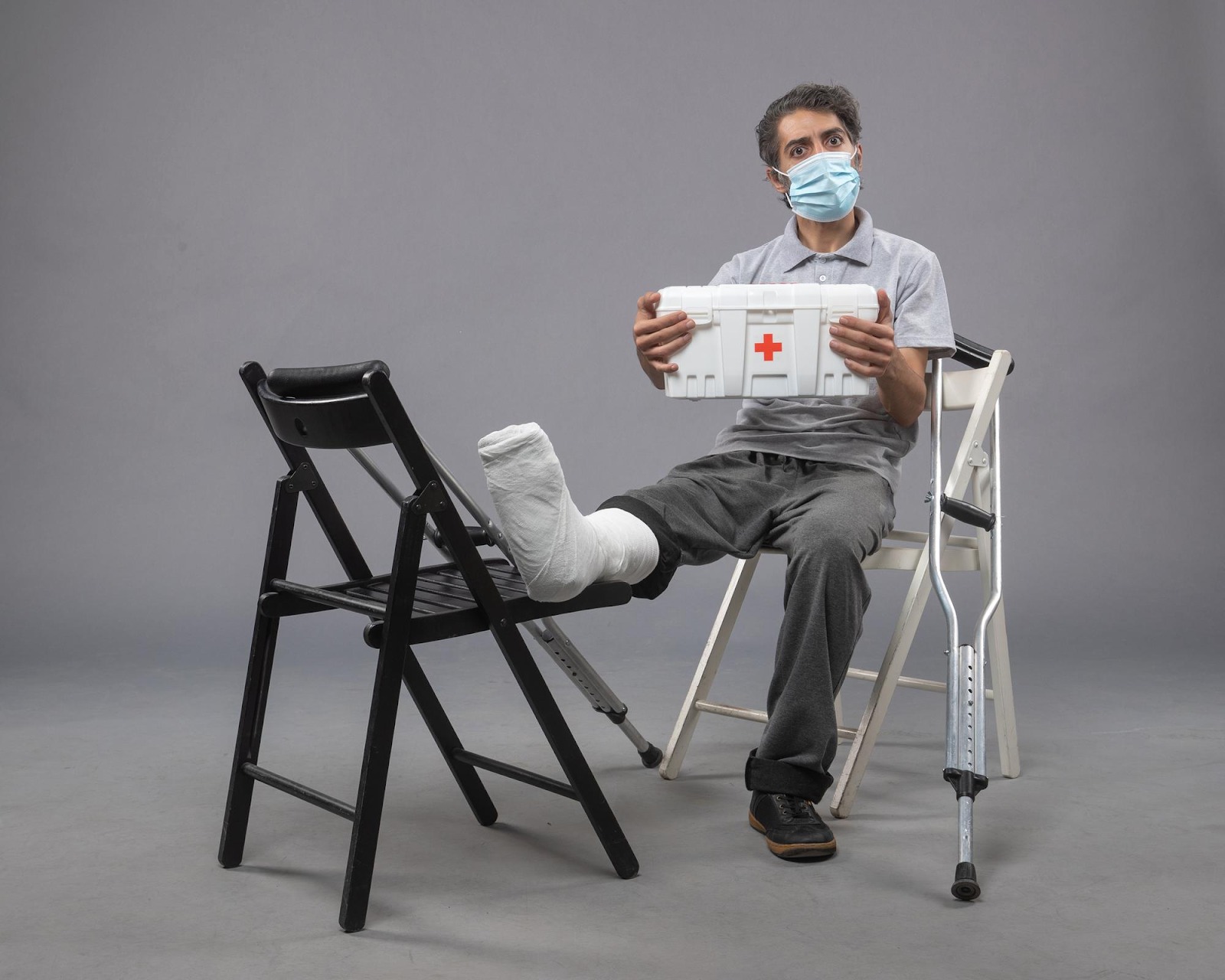
Sometimes, injuries don’t just leave physical scars. They leave behind a trail of medical bills, lost workdays, and years of discomfort. If you’re still dealing with the effects of an old injury, you might wonder—can you still get compensated? The good news is, in many cases, it’s possible. But it depends on several factors, especially how long it’s been and what steps you’ve taken since then.
Most people don’t think about the legal side of an injury until things get worse. Some may ignore minor pain at first, only to have it grow into something serious over time. If you’ve recently started looking into your options, it’s important to understand how the legal process for old injury claims works. Time limits apply, but there are exceptions that might still allow you to take action.
Understanding the Statute of Limitations
Every state has a time limit for filing a personal injury claim. This is called the statute of limitations. It’s usually between one and six years, depending on where you live. Once that time runs out, you typically lose the right to file a lawsuit.
But here’s where it gets interesting. In some cases, the clock doesn’t start ticking right away. It might start from the date you discovered the injury, not when it actually happened. This is known as the discovery rule.
For example, let’s say you were in a car accident five years ago. At the time, you felt fine. But now you’ve developed chronic back pain—and your doctor says it’s related to that old accident. You might still have a case because you only recently discovered the long-term damage.
Exceptions to the Rule
There are other reasons the deadline could be extended. If the injured person was a minor when it happened, the clock might not start until they turn 18. If the person was mentally incapacitated or the injury was caused by a crime that’s under investigation, the court might allow extra time.
Also, if the injury was caused by a government agency or public employee, the rules are different. You might need to file a special notice or meet shorter deadlines.
That’s why it’s always best to speak with a lawyer as soon as possible. They can look at the details of your case and tell you where you stand.
Collecting Evidence for an Old Injury
Old cases can be harder to prove. Memories fade. Witnesses move away. And physical evidence may be long gone. But that doesn’t mean you’re out of luck.
Start by gathering everything you can:
- Medical records
- Doctor’s notes or reports
- Photos (if you have any)
- Emails or messages related to the injury
- Insurance records
The more you have, the better. You’ll also want to write down a timeline of what happened. Include when the injury occurred, what symptoms followed, and when you first connected those symptoms to the incident.
Why Legal Advice Matters
Filing a claim for an old injury can be complicated. Insurance companies may argue that too much time has passed. Or they might say your injury came from something else.
A personal injury attorney can help you build a strong case. They’ll guide you through the paperwork, communicate with the insurance company, and fight for fair compensation. Most lawyers offer free consultations, so there’s no harm in asking where you stand.
Final Thoughts
Yes, you can get compensation for an injury from years ago. But it depends on the details. Time is a major factor, and so is the type of injury, how it was discovered, and how much evidence you have.
If you’re still dealing with pain, expenses, or emotional stress from an old accident, don’t ignore it. Look into your options. You might still have time to take action—and get the support you deserve.