Key Takeaways
- Neuropsychiatric care combines mental and physical health strategies for holistic well-being.
- Prevention, nutrition, and stress management are critical for sustained mental wellness.
- Cutting-edge therapies such as Transcranial Magnetic Stimulation (TMS) open new possibilities for treatment-resistant conditions.
Maintaining mental health is just as fundamental as maintaining physical health in daily life. With neuropsychiatric care, individuals gain access to comprehensive strategies that improve cognitive function, foster emotional stability, and enhance overall well-being. For example, those seeking specialized treatment options, such as transcranial magnetic stimulation in St. George, can now access care tailored to their unique needs. This patient-centered approach underscores the importance of understanding and supporting both the mind and body at every stage of life.
Neuropsychiatric care looks beyond symptoms, offering integrated approaches to treatment and prevention. By blending healthy lifestyle practices, innovative technologies, and professional guidance, it aims to empower individuals to take control of their mental health journey. These strategies, when paired with expert clinician support, form the backbone of effective neuropsychiatric care for all ages and backgrounds.
Understanding Neuropsychiatric Care
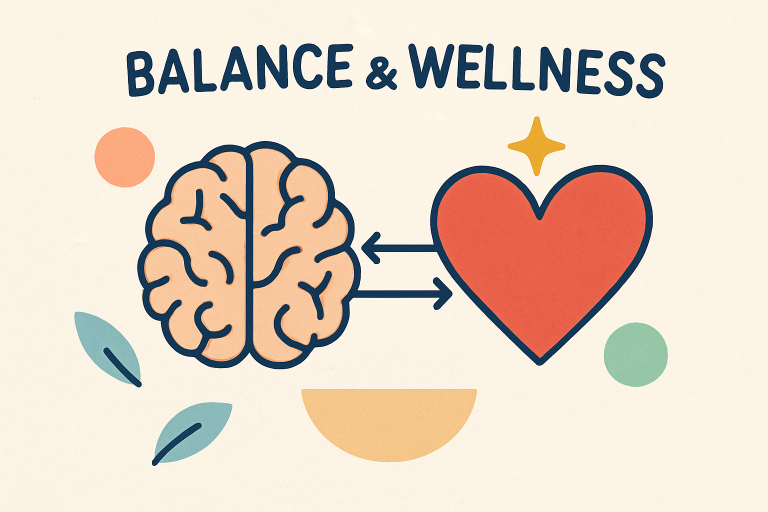
Neuropsychiatric care represents the intersection of neurology and psychiatry. It addresses disorders that involve both brain function and behavioral health. What makes this approach unique is its focus on the intricate relationship between mind and body. Rather than treating symptoms in isolation, neuropsychiatric specialists offer comprehensive plans that consider emotional, cognitive, and physical factors to tailor interventions for each patient.
Emerging research continues to reinforce the vital connection between brain health and broader wellness outcomes. According to the National Institute of Mental Health, therapies that consider the whole person are most effective for long-term management and prevention of mental health challenges.
The Importance of Preventive Mental Health Strategies
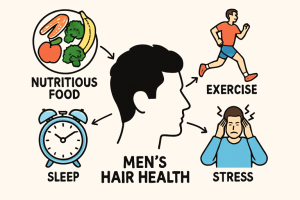
Proactive mental health strategies are fundamental in building resilience and preventing the onset of psychiatric or neuropsychiatric conditions. Nutrition, exercise, and stress management are powerful tools in this preventive approach. Nutritional psychiatry has highlighted the role of key nutrients in supporting mood, memory, and cognitive function. Omega-3 fatty acids, B vitamins, and complex carbohydrates all play a role in maintaining optimal brain function.
Regular physical activity is not only beneficial for the body but also helps regulate neurotransmitters, reduce anxiety, and combat depressive symptoms. Stress management techniques, including mindfulness, yoga, and deep breathing, complement these efforts by lowering cortisol levels and improving emotional regulation.
Innovative Treatments in Neuropsychiatry
For many individuals, traditional therapies such as medication and psychotherapy are effective. However, innovative treatments have expanded the possibilities for those who may not respond to these methods. Transcranial Magnetic Stimulation (TMS) is one such option. TMS is a non-invasive procedure that uses magnetic fields to activate targeted nerve cells in the brain, typically those involved in mood regulation. This cutting-edge therapy is transforming care for conditions such as major depressive disorder, especially for those who have experienced inadequate responses to other treatments.
Clinical studies continue to demonstrate the efficacy of TMS in promoting improvement in depressive symptoms with minimal side effects. Clinics specializing in TMS design individual care plans to address each patient’s unique circumstances and needs, setting the foundation for personalized recovery.
Integrating Self-Care into Daily Life
Incorporating self-care routines is crucial for sustained cognitive and emotional wellness. Simple habits such as maintaining a regular sleep schedule, practicing mindfulness meditation, and allocating time for leisure activities are all forms of self-care that can have long-lasting positive effects. Prioritizing these routines fosters resilience during times of stress and helps maintain emotional balance.
Researchers have also explored how technology, such as augmented reality (AR), can support the development of self-care skills. For instance, AR applications that simulate real-life scenarios have been shown to improve learning outcomes and help individuals apply self-care practices effectively in their daily lives (e.g., LINA, a social augmented reality game focused on mental health).
The Role of Healthcare Professionals in Cognitive Wellness
Nurse practitioners and other healthcare providers are pivotal in helping patients achieve and maintain cognitive wellness. Their role extends beyond diagnosis and prescription, as they engage with patients to identify risk factors, introduce preventive strategies, and provide education about brain health. By fostering an open dialogue and forming collaborative care plans, healthcare professionals empower people to take charge of their mental and cognitive well-being early and throughout life.
Community Support and Mental Health
Community involvement plays a fundamental role in supporting mental wellness by offering individuals and families vital resources beyond clinical care. Access to local support groups, educational workshops, and public mental health services provides opportunities to learn, share, and seek guidance in a safe environment. These community-based programs also help reduce stigma by normalizing conversations about mental health, encouraging individuals to reach out for help without fear or shame. Beyond individual benefits, participating in a supportive network fosters collective resilience. When people connect with others facing similar challenges, they gain emotional strength, practical coping strategies, and a deeper understanding of their experiences. This sense of belonging and shared support reinforce recovery, empower participants, and strengthen the broader community’s capacity to navigate mental health challenges together.
Conclusion
Embracing neuropsychiatric care as part of everyday wellness involves addressing mental, emotional, and cognitive health holistically. Prevention plays a key role, including adopting healthy lifestyle habits such as regular exercise, proper nutrition, and sufficient sleep, which support brain function and emotional stability. Innovative treatments, like transcranial magnetic stimulation (TMS), offer new avenues for managing mood disorders and cognitive challenges. Equally important is cultivating self-care routines, practicing stress management, and seeking professional guidance when needed. Community support, from family, friends, or peer groups, reinforces resilience and promotes connection. By combining these strategies, individuals can enhance their mental well-being, maintain cognitive vitality, and lead a more balanced, purposeful life where neuropsychiatric health is central to overall wellness.