Key Takeaways
- Babymoons offer a unique opportunity for couples to bond, create lasting memories, and prepare emotionally for the journey of parenthood.
- Timing is crucial—most professionals recommend traveling in the second trimester for optimal safety and comfort.
- Thorough packing and mindful itinerary planning lead to a more comfortable and enjoyable getaway.
- Focusing on health and well-being during travel sets couples up for a restorative, satisfying experience.
- It’s often the quiet, simple moments together that couples remember most fondly from their babymoon.
Why Take a Babymoon?
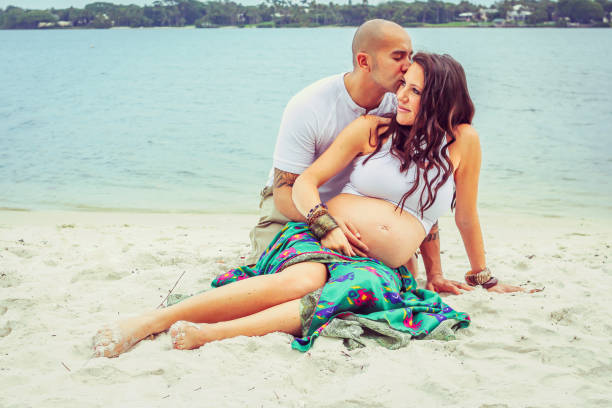
In the months before a baby arrives, life can feel like a whirlwind of appointments, shopping lists, and baby shower invitations. Amidst this flurry of planning and preparation, a babymoon is a growing tradition that gives expectant parents a deliberate pause for reflection. Many couples find that taking a short trip together is more than a vacation, as it’s an opportunity to nurture their relationship and intentionally savor the shifting dynamics now that their family is growing. According to recent research, time away from everyday stress has measurable benefits for mental, emotional, and even physical health during pregnancy. These benefits are more than anecdotal: mental health experts emphasize that shared downtime and relaxation can help reduce mood swings and foster couples’ bonds during a time of significant change.
In fact, the growing appeal of a babymoon in the Caribbean and other tranquil destinations reflects a universal desire for quality time and meaningful connection. A babymoon is not merely about travel; it’s about creating special memories together before life with a newborn begins. The American Psychological Association has reported on how even brief vacations can lower chronic stress, improve sleep, and pave the way for better adjustment postpartum. For many, the babymoon is a priceless chance to rest, dream, and reconnect before nights are interrupted by feedings and the focus shifts entirely to the newest family member.
Choosing the Right Time and Place
Deciding when and where to take your babymoon can be as important as the trip itself. Medical professionals almost unanimously suggest the second trimester, typically weeks 14 to 28, as the “sweet spot” for travel during pregnancy. This period marks a time when morning sickness normally fades, energy levels rebound, and the growing baby is still light enough to make moving around easier. But timing isn’t everything; destination selection matters, too. Comfort, ease of travel, and access to healthcare are all essential considerations.
Choosing a location that is peaceful yet not too remote is sensible, as distant or rugged spots can complicate travel if unexpected medical needs arise. It’s a good idea to stick with destinations that offer high-quality amenities, diverse food options, and nearby hospitals or clinics. If you’re still unsure about destination safety and timing, consult trusted resources for up-to-date tips and helpful questions to ask before booking. Take into account the climate, language barriers, and whether you’ll need special vaccinations. Ultimately, a babymoon should be a calm and uncomplicated experience, so prioritize convenience and support above far-flung adventure.
What to Pack for a Comfortable Babymoon
Even the most relaxing trip can be derailed by a forgotten item, so thoughtful packing is key to comfort and confidence while away. Start with light, breathable clothing that accommodates a growing bump, and bring well-cushioned shoes for exploring new surroundings. A supportive swimsuit can be a game-changer for pool or beach days. Don’t forget health essentials: prenatal vitamins, any prescribed medications, and snacks rich in fiber and protein to stave off hunger between meals. Pack copies of medical records and a card listing your care provider’s contact information, as these items often provide peace of mind.
- Comfortable, loose-fitting outfits and practical footwear
- Nutritious snacks and a reusable water bottle to stay hydrated
- Prenatal vitamins and necessary medications, stored in carry-on luggage
- Travel documents and insurance information, plus copies of prenatal charts
- Sunblock, insect repellent, and a wide-brimmed hat for sun safety
- Travel pillow, compression socks, and a light blanket or shawl
- Personal touches for comfort (favorite pillow, headphones, or a cozy book)
When in doubt, pack lightly and lean on multi-functional items. Planning with comfort in mind transforms your trip into a true escape, rather than a source of added stress.
Crafting an Itinerary That Works for You
A successful babymoon itinerary values rest just as much as exploration. While there’s no shortage of tempting activities on most vacations, the true goal is to slow down and enjoy each other’s company. Consider a mix of gentle adventures, easy walks, scenic drives, or cultural experiences that allow for plenty of time to lounge by the pool, read together, or indulge in naps. Couples may want to consider spa services, especially prenatal massages, which can help ease aches and create shared memories of pampering.
Dining out can also be a highlight. Choose restaurants with menus that prioritize fresh, wholesome options, and reserve time for at least one memorable meal. For partners, simple activities like taking “bump photos,” writing letters to your future child, or carving out moments under the stars can foster intimacy and reflection. Remember, the most satisfying babymoons are flexible; don’t overschedule or try to “do it all.” White space allows you to savor spontaneous discoveries and ride out energy fluctuations with grace.
Safety Tips and When to Reach Out for Medical Advice
Before finalizing travel plans, consult your healthcare provider. Share details about the itinerary, expected activities, and the nearest hospitals or clinics at your destination. This pre-trip discussion helps you make informed decisions about safety and any travel limitations. During your babymoon, remain alert for any symptoms, such as severe cramping, bleeding, fever, or significant swelling, that warrant immediate medical attention.
- Have your provider’s contact info handy at all times.
- Carry updated medical records, especially if traveling abroad.
- Make sure your travel insurance policy covers potential pregnancy-related care and emergencies.
- Inform family or friends back home about your itinerary for peace of mind and quick support if needed.
By staying proactive and informed, you create a safe, nurturing environment no matter where your babymoon takes you.