Key Takeaways
- Root canal therapy effectively relieves tooth pain by treating infected or damaged pulp.
- Modern advancements have made the procedure virtually painless and efficient.
- Preserving natural teeth through root canal therapy offers long-term oral health benefits.
Root canal therapy is reliable for alleviating tooth pain caused by infection or inflammation. It targets the source of discomfort while preserving the tooth’s natural structure. Advances in dental techniques and anesthetics have made root canals more comfortable, providing relief and long-term oral health for patients.
Persistent tooth pain can impact every aspect of your daily life. Fortunately, advances in dental care, such as modern root canal therapy in Ohio, offer a safe, reliable solution for addressing infected or damaged tooth pulp. By swiftly treating the source of pain, this widely endorsed procedure helps maintain patient comfort while also preserving natural teeth—an ideal alternative to extraction.
Specialists now rely on sophisticated tools and methods that make root canal therapy more predictable and comfortable than ever before. If you’re concerned about safeguarding your oral health and natural smile, root canal therapy could be a pivotal step toward long-term relief and confidence.
Understanding Root Canal Therapy
Root canal therapy treats infection or inflammation in a tooth’s pulp. It starts with anesthesia, then the dentist removes infected pulp, cleans, disinfects, and seals the tooth to prevent future issues. This saves the tooth, preserving bite strength, speech, and smile. Digital X-rays improve accuracy and success.

Debunking Common Myths
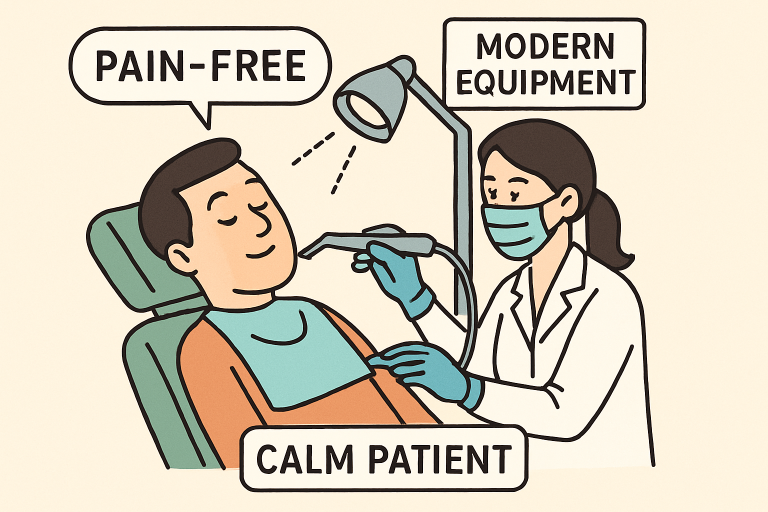
Despite its proven value, root canal therapy is often misunderstood. One of the most common myths is that root canals are excruciating procedures. With today’s improved pain management techniques, having a root canal feels similar to receiving a routine filling. Local anesthesia ensures you remain comfortable and pain-free throughout the process. There is also a misconception that root canals can cause illness in other parts of the body, but this theory has been debunked by contemporary research. Root canal therapy protects your long-term health by removing harmful bacteria and preventing infection.
Advancements in Pain Management
Tooth pain, often from infection or damage, can be debilitating. Root canal therapy provides a reliable, pain-relieving solution that addresses the issue and preserves the tooth. It involves removing infected tissue, cleaning canals, and sealing the tooth to prevent complications and restore comfort. Advances in technology, like digital X-rays, improve diagnosis, enabling targeted treatment that reduces discomfort and increases efficiency. New tools like rotary endodontic files and better anesthetics help dentists perform the procedure quickly and comfortably. With these advancements, most patients report minimal discomfort during and after the procedure, paving the way for fast recovery and lasting tooth protection. North Orange Family Dentistry integrates these modern techniques to ensure every patient’s smooth and practical experience.
Benefits of Preserving Natural Teeth
Opting for root canal therapy has distinct benefits over extracting and replacing a tooth. Preserving your natural teeth prevents neighboring teeth from shifting out of alignment, which can affect your bite and create challenges for chewing and speech. Keeping your original teeth also helps maintain your natural smile and facial structure, which can be affected by tooth loss. Additionally, root canal therapy may reduce the need for more extensive procedures down the road, such as dental implants or bridges. Saving your tooth is almost always less invasive and costly than undergoing a complete extraction and subsequent tooth replacement.
Post-Treatment Care
Proper care is essential for lasting results following a root canal. Dentists typically recommend maintaining an intense oral hygiene routine—brushing twice daily, flossing regularly, and using an antiseptic mouth rinse. Avoid chewing on hard foods with the treated tooth until your final restoration, such as a crown, is placed. This protects the tooth and helps ensure its long-term structural integrity. Attend follow-up appointments so your dentist can monitor healing and address any emerging concerns. Most patients experience rapid relief from pain after treatment and can resume normal activities within a day or two. Diligent self-care and prompt restoration work enable patients to keep their natural teeth healthy for years.
When to Seek Treatment
Prompt recognition of potential dental infection can make a critical difference. Common symptoms necessitating immediate dental attention include persistent tooth pain, sensitivity to hot or cold, gum swelling, tenderness, and visible discoloration of the tooth. Ignoring these warning signs can result in worsening infection or tooth loss, making early intervention key to optimal outcomes.
Conclusion
Root canal therapy is a reliable, minimally invasive treatment for resolving tooth pain and preserving natural teeth. Today’s dental innovations mean the process is comfortable, efficient, and designed to protect your health for the long term. Patients can confidently restore their oral function and embrace a future free of dental pain by choosing timely root canal therapy.