Inflammation gets talked about a lot, usually in a neat, reassuring way. It’s described as the body’s alarm system. Something goes wrong, the alarm goes off, help arrives, problem solved. And honestly, that is how it works at first.
You cut your finger. You catch a virus. Something irritates the body again and again. The immune system jumps in quickly, exactly as it should. Cells rush to the area. Swelling happens. Heat, redness, and tenderness – it’s all part of repair. That kind of inflammation is useful. Necessary, even. So no, inflammation isn’t the villain people sometimes make it out to be.
The trouble starts when the alarm never really shuts off. Most long-term inflammation doesn’t announce itself. It doesn’t scream. It doesn’t always hurt. It just… hangs around. Quietly. The body adapts, the way it always does. You keep going to work. You keep running errands. You keep telling yourself you’re fine. But underneath all that normal life, the body is constantly compensating.
Maybe your energy isn’t what it used to be. Maybe aches linger longer. Maybe you don’t bounce back from stress or illness the way you once did. Nothing feels serious enough to act on, yet nothing feels quite right either. That’s how chronic inflammation tends to show up, not as a crisis, but as a slow shift away from ease.
How Chronic Inflammation Creeps In

Acute inflammation is obvious. You notice it, you treat it, and eventually it fades. Chronic inflammation plays a much longer game. It builds slowly, often from several directions at once. Ongoing stress. Poor sleep. Nutritional gaps. Old infections that never fully resolved. Autoimmune issues. Environmental exposure. None of these needs to be extreme on its own. Together, they keep the immune system slightly on edge all the time.
Instead of reacting to a clear threat and then standing down, the body stays in defence mode. Inflammatory signals keep circulating. Day after day. Month after month. Over time, that constant activity starts interfering with normal processes. Cells don’t repair as efficiently. Hormonal signals get a little messy. Energy that should support recovery and balance gets redirected just to keep things functioning.
This doesn’t happen overnight, which is why it’s so easy to miss. The body doesn’t break; it adjusts. And those adjustments slowly become the new normal.
When Inflammation Doesn’t Stay in One Place
One of the most surprising things about inflammation is how mobile it is. It doesn’t always stay where it started. Inflammatory markers move through the bloodstream, influencing areas that seem completely unrelated to the original issue.
That’s part of why chronic inflammation is now linked to heart health, joint problems, metabolic issues, and even cognitive changes. Blood vessels exposed to inflammation over time can lose flexibility. Metabolic systems may struggle to regulate blood sugar efficiently. These connections didn’t appear suddenly; they revealed themselves after years of observation. The body doesn’t flip a switch from “healthy” to “unwell.” It drifts. Slowly. Quietly.
What the Mouth Can Reveal
The mouth is often where early signs show up and where they’re most often ignored. A little gum bleeding here. Some tenderness there. Slight swelling that comes and goes. It’s easy to brush off, especially if it doesn’t hurt much. But persistent gum inflammation isn’t just a surface issue. It’s an active immune response.
More healthcare professionals now recognise that oral health and overall health are deeply connected. When gum disease progresses beyond basic care, a periodontist may need to step in to address inflammation affecting the tissues that support the teeth.
The Real Cost of “I’ll Deal with It Later”
Chronic inflammation rarely causes a dramatic collapse. Instead, it slowly wears things down. You might notice that recovery takes longer. That energy dips more often. That small issues pile up instead of resolving.
From a medical point of view, early intervention is usually simpler. When inflammation is addressed early, before it causes deeper changes, outcomes tend to be clearer and more manageable. Once it contributes to secondary conditions or long-term tissue damage, care becomes more complex. That’s why inflammation is often described as a silent contributor. It doesn’t demand attention, but it keeps collecting interest.
Why Awareness Actually Matters
There’s no single fix for inflammation. No magic supplement. No one habit that solves everything. What helps is awareness, paying attention before the body is forced to get louder.
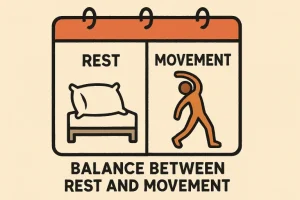
Sleep matters. Nutrition matters. Stress management matters. Regular checkups matter more than people like to admit. These things shape how the immune system behaves over time, even when nothing feels “wrong.”
Healthcare has started shifting toward prevention for a reason. Once long-term damage exists, choices narrow. Acting earlier keeps more doors open.
Seeing Inflammation Clearly
Inflammation doesn’t shout. It whispers. It nudges the body off balance little by little, influencing how it ages, how it handles stress, and how well it recovers.
Seeing it as a whole-body process, not a random symptom, changes how people think about health. It turns attention toward patterns instead of emergencies.
And as understanding continues to grow, inflammation is no longer treated as background noise. It’s recognised for what it is: a quiet force with long-term consequences, worth noticing long before it becomes impossible to ignore.