Table of Contents
- Introduction
- What Is an IOP?
- Who Can Benefit from an IOP?
- Core Components of an IOP
- Daily Life in an IOP
- Building Coping Skills
- Family and Peer Support
- Advantages of Choosing an IOP
- Conclusion
Starting treatment for mental health issues, substance use, or co-occurring disorders is a major step, and understanding how an Intensive Outpatient Program (IOP) works can help reduce anxiety about the process. IOPs are designed to provide intensive care without requiring participants to step away completely from their daily lives. Many individuals and families discover that programs like those offered by Brook Behavioral Health can provide the structured support needed to facilitate lasting recovery, all while allowing participants to remain engaged in their own homes, careers, or studies.
Intensive Outpatient Programs (IOPs) offer a balance of therapy sessions with flexibility for work and family commitments, making them suitable for individuals transitioning from inpatient care or needing more structure than traditional outpatient options. They empower participants and their families by providing a clearer understanding of the process. Additionally, IOPs foster strong support systems, coping skills, and personal growth through education and peer support, effectively bridging the gap between residential care and independent living.
What Is an IOP?
An Intensive Outpatient Program (IOP) is a treatment model designed for individuals who need significant therapeutic support but do not require round-the-clock supervision or hospitalization. Unlike inpatient care, IOPs allow participants to live at home, maintain their routines, and continue managing responsibilities outside of treatment, such as work or school, while receiving concentrated, structured therapy several days per week. Treatment can include group therapy, individual counseling, family sessions, and psychoeducation, all tailored to address each participant’s unique needs.
Who Can Benefit from an IOP?
IOPs are especially beneficial for people who have completed inpatient treatment and need ongoing support to avoid relapse and sustain progress, those who require a structured environment beyond what standard outpatient therapy offers, and individuals experiencing symptoms severe enough to disrupt daily life but who do not need hospital-based treatment. People dealing with conditions like substance use disorders, anxiety, depression, or dual diagnoses (mental health and substance use) can benefit from the balance between support and independence that an IOP provides.
For instance, if someone is managing both depressive symptoms and alcohol misuse, an IOP can offer integrated support that addresses both issues together, a crucial factor in sustaining recovery. The program’s flexibility also allows participants to apply skills learned in therapy immediately in their real-world environments, a key element in achieving lasting change. To better understand how outpatient care compares to other treatment options, you can visit resources such as Wikipedia’s overview of IOPs.
[suggestion]A simple illustration showing diverse people in a group therapy session, seated in a circle and engaged in conversation, with a facilitator nearby. The environment looks comfortable and supportive, reflecting connection and openness.[/suggestion]
Core Components of an IOP
Intensive Outpatient Programs typically deliver a structured blend of therapy formats and educational sessions, each selected to address the complexity of participants’ needs. Most IOPs offer:
- Group Therapy: Facilitated by licensed clinicians, group sessions offer peer support, the chance to share experiences, and practical guidance on topics relevant to recovery.
- Individual Counseling: Regular one-on-one meetings with a therapist provide a confidential setting to explore personal challenges, review progress, and develop individualized coping strategies.
- Educational Workshops: These classes focus on topics such as physical wellness, understanding triggers, relapse prevention techniques, and healthy lifestyle changes.
- Family Therapy: Where appropriate, involving family members in therapy can help improve communication, rebuild trust, and foster a supportive home environment.
The integration of these components ensures that all aspects of recovery are covered, supporting not only immediate needs but also long-term well-being.
Daily Life in an IOP
An IOP typically involves attending programming three to five days per week, with each session lasting about three hours. This predictable, scheduled format gives participants regular access to professional support and peer connections while providing enough flexibility to maintain outside commitments. Sessions often combine group discussion, skills building, and personal check-ins, helping participants learn to implement coping strategies and address challenges as they arise.
This structured schedule helps participants build routines that reinforce new behaviors, while the home-based aspect of IOPs offers daily opportunities to practice these skills in real-world contexts. The immediate application of learned techniques is crucial for lasting recovery and is one of the core strengths of the outpatient intensive approach.
Building Coping Skills
One of the primary goals of an IOP is to help individuals build a toolbox of effective coping mechanisms. Skill development is woven into every aspect of the program and can include:
- Identifying and regulating emotional triggers
- Managing stress and anxiety through mindfulness or relaxation techniques
- Improving problem-solving and conflict resolution abilities
- Enhancing communication skills, both at work and in personal relationships
Assignments, role-plays, and real-life practice all help participants internalize these skills. Developing healthy coping strategies is a vital component in managing behavioral health conditions and preventing relapse.
Family and Peer Support
Family involvement plays an essential role in recovery for many people. IOPs often incorporate educational and counseling sessions designed for families, helping loved ones learn about the recovery process, boundaries, and ways they can offer meaningful support at home. These sessions can also be a safe place to address misunderstandings and rebuild trust.
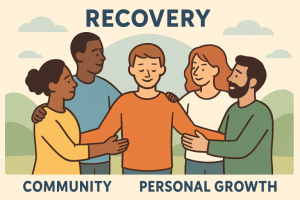
Equally important is the support participants receive from their peers in group therapy. Sharing experiences and encouragement helps reduce feelings of isolation and builds a sense of community within the program. These connections often extend beyond treatment, providing a valuable network for ongoing encouragement and accountability.
Advantages of Choosing an IOP
- Flexibility: Enables individuals to receive care without putting life responsibilities on hold.
- Comprehensive Care: Integrates multiple modalities to holistically address a person’s needs, combining therapy, education, and practical skills training.
- Support Networks: Fosters connections with both peers and family, creating a robust support system that extends into daily life.
- Evidence-Based Approaches: Most IOPs use treatment models supported by research, increasing the likelihood of positive outcomes.
These benefits make intensive outpatient treatment a strong option for many people seeking meaningful and sustained recovery.
Conclusion
Understanding what an Intensive Outpatient Program offers can help individuals and families make informed, well-suited decisions. IOPs strike a balance between structure and independence, offering clear guidance and practical tools for recovery while allowing participants to keep pace with everyday life. As more is understood about treating complex behavioral health needs, programs like IOPs will remain a valuable resource for many on the journey to wellness.