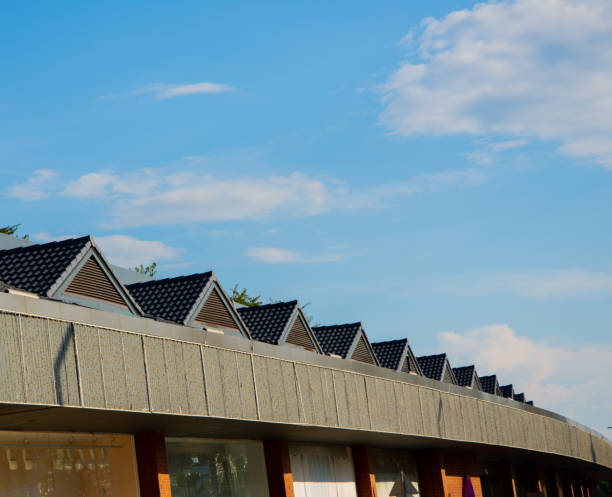
A commercial roof serves a greater purpose than just covering a structure. It supports energy efficiency, protects valuable assets, and plays a role in daily operations. Without proper planning, it may become vulnerable to safety and functionality issues.
Property owners managing large-scale buildings seek dependable roofing solutions built to last. With guidance from experienced service providers, for example, the roofing company Bar H Contractors, it becomes easier to identify which features matter most. A well-designed roof meets structural needs and adapts to environmental challenges specific to the region.
1. Proper Drainage Protects the Structure
Flat or low-slope commercial roofs need adequate drainage to avoid water accumulation. Systems such as internal drains, tapered insulation, and scuppers are commonly used to guide water away from the roof surface. If water is allowed to pool, it may lead to issues over time. Regular inspection and cleaning of drainage features help maintain their function, especially after rainstorms.
2. Durable Materials Enhance Lifespan
Commercial roofs are constantly exposed to environmental stress. From intense sunlight to high winds and temperature fluctuations, the materials used must be able to perform under a range of conditions. Selecting the right roofing system is key to maintaining structural integrity and reducing repair frequency. Standard weather-resistant options include:
- Metal panels, known for their strength and longevity
- Built-up roofing, which offers multiple layers of protection
- Single-ply membranes, valued for their flexibility and resistance to UV damage
Choosing durable materials suited to the building’s function and climate can help significantly extend the roof’s service life.
3. Energy-Efficient Insulation Supports Comfort
Proper insulation plays a key role in commercial settings. It helps maintain internal temperature, supports energy efficiency, and reduces the load on heating and cooling systems. Depending on the climate and building design, rigid foam or polyiso boards are usually used. When installed correctly, insulation contributes to both comfort and cost control.
4. Wind-Resistant Design to Increase Security
Commercial buildings in regions prone to strong winds require roofs that withstand uplift forces and pressure changes. A secure roofing system reduces the likelihood of damage during storms and helps preserve the safety of the entire structure.
Important wind-resistant features include:
- Secure edge systems that prevent peeling along the roof perimeter
- Mechanical fasteners that hold materials firmly in place
- Reinforced seams are designed to resist separation during gusts
Including these elements during installation or upgrades helps ensure the roof remains intact. These added measures contribute to long-term resilience and reduce maintenance needs after extreme weather.
5. Safe Access for Maintenance is Essential
Commercial rooftops house mechanical equipment such as Heating, Ventilation, and Air-Conditioning units. Safe and easy access is necessary for regular maintenance without causing surface damage. Walkways, roof hatches, and fall protection systems make inspections safer for service personnel. Planning for access during the design phase supports roof care and worker safety.
Why Choosing Local Roofing Professionals Matters
Working with teams that understand local conditions can benefit commercial property owners. These providers bring experience with regional building codes, climate factors, and material preferences. Services may include inspections, repairs, and complete installations tailored to commercial structures. Businesses can evaluate their options based on expertise, availability, and previous project outcomes.
Every commercial building should have a roof with dependable drainage, quality materials, thermal insulation, wind resistance, and safe access points. Property owners generally rely on professionals like roofing company Bar H Contractors to support these needs with proven service options. Commercial roofs designed with these features are more likely to perform consistently and require fewer major repairs. A thoughtful approach to roofing can support long-term stability and efficient building management.
In addition to these essential roofing features, it’s crucial to consider the expertise and quality of the roofing service provider. A reliable contractor can ensure that your commercial building’s roof is not only functional but also durable and aesthetically pleasing. For those looking to enhance their roofing systems with the latest innovations and materials, click for details on how to achieve a robust and efficient roofing solution tailored to your specific needs. This approach not only safeguards your investment but also contributes to the overall sustainability and energy efficiency of your building.
Incorporating advanced roofing solutions is crucial for the longevity and efficiency of commercial buildings. One essential feature is the use of high-quality materials that offer durability and energy efficiency. Companies like AG Exteriors provide innovative roofing systems that not only enhance the building’s aesthetic appeal but also contribute to its structural integrity. Their expertise in modern roofing technologies ensures that commercial properties are equipped to handle various environmental challenges, ultimately reducing maintenance costs and extending the roof’s lifespan. By choosing the right roofing partner, businesses can ensure their buildings remain safe and sustainable for years to come.
Beyond the structural benefits of single-ply membranes and advanced metal systems, specialized insulation remains a cornerstone of high-performance commercial design. Effective thermal management significantly reduces strain on mechanical systems while preventing the moisture buildup that often leads to internal rot or mold. Modern facilities often integrate resources like https://vanceinsulation.com/ to better understand how proper R-value application stabilizes interior temperatures year-round. These materials must be compatible with the specific drainage patterns of flat roofs to ensure longevity. When combined with reflective coatings, a robust insulation layer forms a comprehensive defense against both extreme heat gain and winter heat loss, ultimately maximizing the return on investment for any commercial building project.