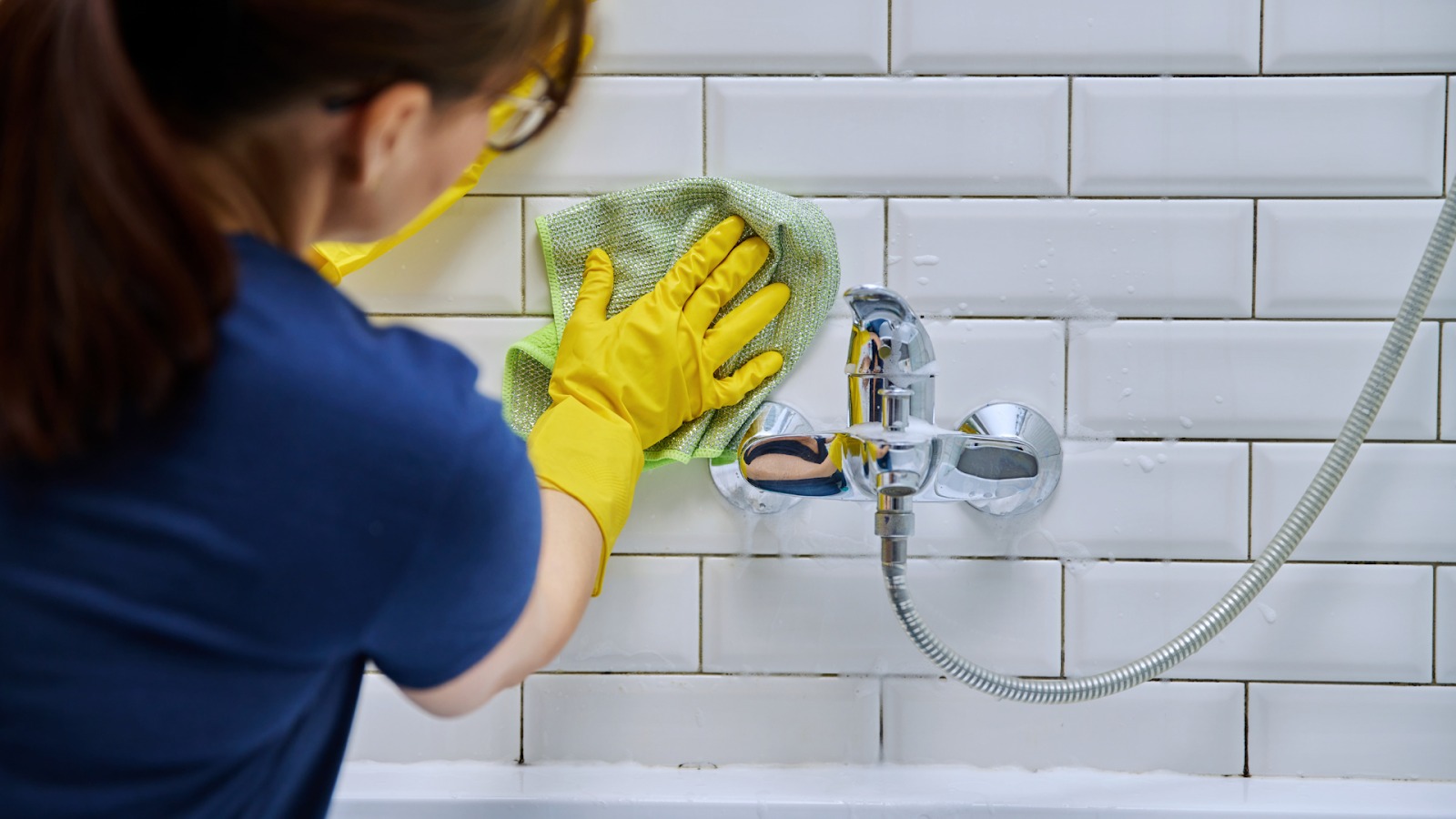
Your backsplash tiles do more than protect your walls; they add style and character to your kitchen or bathroom. But over time, grease, grime, and everyday mess can dull their shine. Whether your tiles are ceramic, glass, or natural stone, proper care is key to keeping them looking fresh and lasting longer.
In this blog, we’ll walk you through expert tips for cleaning and maintaining your backsplash tiles with ease. From daily upkeep to deep cleaning tricks, you’ll learn how to keep your space spotless and stylish. Let’s get started and bring back that clean, polished look your home deserves.
Understanding Your Backsplash Material
Before cleaning, know your backsplash tile type. Each material needs the right care to be cleaned well and avoid any damage.
Different Tile Types and Their Unique Care Requirements
Ceramic and porcelain tiles are common backsplash choices thanks to their strength and low-maintenance finish. Their protective glaze resists stains, making them easy to clean with just mild soap and water.
Natural stone tiles like marble, granite, and travertine need gentler care due to their porous nature. These materials must be sealed properly, and acidic cleaners like vinegar or lemon juice should be avoided to prevent surface damage.
Glass tiles provide a sleek appearance but require frequent wiping to prevent streaks and fingerprints; a microfiber cloth with glass cleaner or diluted vinegar works well. For metal, cement, or zellige tiles, always follow the manufacturer’s specific care instructions.
Identifying Your Tile’s Finish
The finish of your backsplash tile plays a key role in how you should maintain it. Glazed tiles have a protective surface that resists stains and makes cleaning easier than with unglazed tiles. Matte finishes hide water spots better but tend to show oil stains more clearly, while textured tiles can trap dirt in grooves and need more detailed cleaning.
Whether your tile is sealed also matters unsealed natural stone must be protected with a sealant, reapplied regularly per manufacturer guidance. Knowing your tile type is essential for building an effective daily care routine.
Essential Daily Backsplash Tile Care Routines
Now that you understand your backsplash material, establishing simple daily habits will keep your tiles looking fresh while minimizing the need for deep cleaning later on.
Quick-Clean Protocols After Cooking
Efficient backsplash tile cleaning starts with tackling spills as soon as they happen. Keep a spray bottle of tile-safe cleaner within reach for quick post-cooking wipe-downs. For fresh grease splatters, a damp microfiber cloth usually removes the mess before it sets.
Steam cleaning is also effective, just hold the steamer a few inches away to loosen residue without harsh scrubbing. Microfiber cloths outperform paper towels and rags by trapping dirt and reducing streaks, making them ideal for maintaining a clean, polished backsplash surface.
Prevention Strategies for Long-Term Protection
Using splatter guards while cooking significantly cuts down on backsplash mess. Simple steps like covering pans or using back burners for splatter-prone dishes help preserve tile surfaces. Good ventilation is just as important as running your exhaust fan during cooking to reduce airborne grease that settles on tiles.
Adjusting cooking habits also helps: lower heat settings to limit splatter, and position cookware to direct steam away from the backsplash. With these daily habits in place, you’re well-prepared to move on to the deep cleaning methods that keep your backsplash in top shape.
Deep Cleaning Guide for All Backsplash Tile Types
Even with consistent daily care, your backsplash will eventually need more thorough attention. Here’s how to approach deep cleaning based on tile type while protecting your investment.
Universal Cleaning Methods That Won’t Damage Tiles
pH-neutral cleaners are a safe and effective choice for nearly all backsplash tile types. They lift dirt without harming the tile surface or grout and should be clearly labeled for tile use. Steam cleaning is another powerful option using high heat to loosen buildup and kill bacteria without chemicals.
For a streak-free finish, use microfiber cloths properly: fold into quarters for clean surfaces, wipe in one consistent direction (top to bottom), and finish by buffing with a dry cloth to remove moisture.
Material-Specific Deep Cleaning Solutions
For ceramic and porcelain backsplash tiles, stronger cleaners like a baking soda paste work well on tough stains, just avoid abrasive scrubbers that could scratch the glaze. Natural stone, including marble, granite, and travertine, needs pH-neutral cleaners made for stone to protect the surface and sealant.
Never use vinegar, lemon, or any acidic products on these materials. Glass tiles require streak-free care, use a lint-free cloth and a 50/50 vinegar-water mix, then buff dry. For metal or specialty tiles, always follow the manufacturer’s care guidelines. Deep cleaning done right prevents damage and extends your backsplash’s lifespan.
Tackling Stubborn Backsplash Stains: Expert Approaches
Even the most diligent homeowners occasionally encounter stubborn stains. Let’s explore specialized techniques for the most common backsplash challenges.
Grease and Oil Buildup Removal Techniques
Enzyme-based cleaners are particularly effective for backsplash tile cleaning guide scenarios involving protein-based stains like grease. These formulas break down the molecular structure of oils without harsh scouring.
Look for degreasing formulas specifically designed for your tile type. Products containing citrus oils can be effective on ceramic and porcelain but may damage natural stone.
| Stain Type | Best Cleaning Agent | Application Method | Materials to Avoid |
| Grease/Oil | Enzyme cleaners | Spray, wait 5 minutes, wipe | Abrasive scrubbers |
| Tomato/Acidic | Baking soda paste | Apply, wait 10 minutes, rinse | Vinegar on stone |
| Hard Water | White vinegar solution* | Spray, wait, wipe | Vinegar on natural stone |
| Coffee/Tea | Hydrogen peroxide | Dab, wait, rinse | Bleach on colored grout |
| Mold/Mildew | Tea tree oil solution | Spray, wait, rinse | Bleach on colored grout |
Tomato Sauce and Acidic Food Stain Solutions
For tomato sauce stains, neutralizing the acidity is key to best products for cleaning backsplash. Start with a paste of baking soda and water to neutralize acids before applying your regular cleaner.
For tomato and other colorful stains on light tiles, hydrogen peroxide can lift color without damaging most glazed surfaces. Test in an inconspicuous area first.
When cooking with acidic ingredients, consider using a temporary splash guard to prevent stains altogether. Prevention remains the best strategy for backsplash tile upkeep.
Hard Water and Mineral Deposit Treatment
To tackle mineral buildup, mix equal parts white vinegar and water. Spray it on ceramic or glass tiles, let it sit for 5–10 minutes, then wipe clean. For heavier buildup, use a commercial descaler but ensure it’s safe for your specific tile type. Avoid acidic products on natural stone, as they can cause damage.
DIY cleaners like lemon juice may seem safe, but they often contain acids that harm sensitive materials. Stick to tile-specific products for safe, effective results. These proven stain removal methods will keep your backsplash looking sharp for years to come.
Preserving Your Backsplash Beauty for Years to Come
Caring for your backsplash tile doesn’t have to be difficult. By knowing your tile type, sticking to simple daily habits, and treating tough stains the right way, you can easily keep your kitchen looking its best. Focus on consistency, wiping down tiles after cooking helps prevent buildup before it starts.
Always choose cleaners suited to your tile material, not just general products. A basic maintenance calendar can also help you stay on track with deep cleans and resealing, especially for natural stone. Remember, your backsplash is more than décor, it’s a lasting part of your home.
FAQs on Backsplash Tile Care
1. What is the best way to clean a tile backsplash?
For regular cleaning, mix a few drops of dish soap with warm water in a bowl or spray bottle. For a natural cleaning solution, mix equal parts of white vinegar and water in a spray bottle.
2. What should you not use to clean ceramic tile?
All your ceramic floor tiles need to stay clean is regular washing with a gentle soap. Avoid bleach or ammonia based cleaners, or anything that’s oil-based. All these ingredients can damage the color or finish of the tiles.
3. What is the best cleaning solution for kitchen tile?
Use an enzyme cleaner, such as O-Cedar PACS, which won’t leave a residue and will leave your floors streak-free. Or, for a DIY method, simply mix a small amount of baking soda with hot water and apply it over your tiles using a damp mop or sponge.