Key Takeaways
- Regular cleaning of high-touch surfaces minimizes germ transmission.
- Proper air quality management supports respiratory health.
- Encouraging personal responsibility among employees promotes a cleaner workspace.
- Utilizing eco-friendly cleaning products benefits both health and the environment.
- Periodic deep cleaning addresses areas often overlooked in daily routines.
Maintaining a clean office is essential for employee health and productivity. A well-kept workspace reduces the spread of illnesses, enhances air quality, and fosters a positive work environment. Implementing effective cleaning practices is crucial to achieving these benefits.
For businesses seeking professional assistance, Keepers Commercial Cleaning offers comprehensive office cleaning services. With over 16 years of experience, Keepers serves clients across Arizona and Utah in healthcare, education, and industrial operations. Their commitment to quality and customer satisfaction has earned them recognition, such as being a finalist for the 2022 BBB Torch Awards for Ethics in Greater Arizona.
Focus on High-Touch Areas
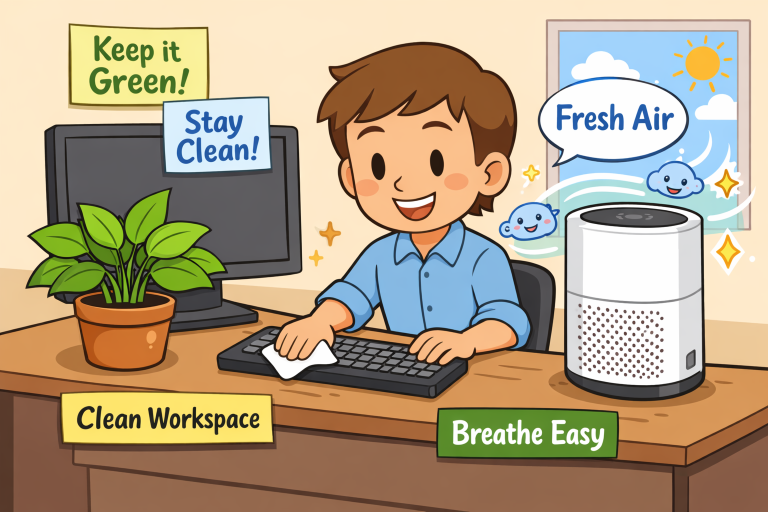
High-touch surfaces like doorknobs, keyboards, and light switches are hotspots for germs. Regularly disinfecting these areas can significantly reduce the spread of illnesses. Providing sanitizing wipes and encouraging employees to clean their personal workspaces daily can further enhance hygiene.
In addition to the standard office equipment, it is important to remember less obvious high-touch zones such as shared phones, copier machines, elevator buttons, and kitchen appliances. By developing a daily or twice-daily cleaning checklist for these surfaces and assigning maintenance responsibilities, offices can further reduce the risk of cross-contamination and provide an extra layer of protection. Open communication channels to report areas in need of attention and foster a collaborative cleaning culture.
Maintain Air Quality
Indoor air quality influences employee health. Regular maintenance of HVAC systems, timely filter replacements, and duct cleaning help ensure clean air. Incorporating air purifiers with HEPA filters and adding indoor plants such as spider plants or peace lilies can further reduce airborne toxins. To enhance indoor air quality, steer clear of aerosol sprays and strong chemicals, since they can exacerbate respiratory issues and decrease overall productivity.
Encourage Personal Responsibility
Fostering a culture in which employees take responsibility for their immediate surroundings results in a consistently clean office. Supplying basic cleaning materials and promoting habits like decluttering desks at day’s end can make a significant difference.
Offering short training sessions or posters on proper desk organization, hand hygiene, and the correct use of sanitation products empowers every team member. Desk caddies stocked with sanitizer, wipes, and microfiber cloths make cleaning easy and accessible. Rewards or recognition programs for consistently tidy work areas incentivize adherence to cleanliness standards. Encouraging staff to address spills and messes as they occur rather than waiting for cleaning personnel can prevent stains, odors, and the buildup of bacteria or mold.
Use Eco-Friendly Cleaning Products
Opting for green cleaning products reduces exposure to harsh chemicals and supports environmental sustainability. Products with EPA-approved labels ensure effectiveness against germs while being safer for employees and the planet.
Conventional cleaning products can leave behind residues and emit volatile organic compounds (VOCs), which can linger in enclosed office environments. Switching to products with natural, biodegradable ingredients not only lowers health risks for employees but also lessens the office’s environmental footprint. Additionally, clear labeling and storage instructions ensure the safe use of all cleaning supplies. Organizing periodic workshops on green cleaning practices can educate staff about the benefits of sustainability and how small choices collectively make a significant impact.
Schedule Regular Deep Cleaning
Beyond daily cleaning, periodic deep cleaning addresses areas often overlooked, such as carpets, upholstery, and behind furniture. This thorough approach eliminates hidden dust and allergens, contributing to a healthier workspace.
Develop a detailed deep cleaning checklist tailored to your office layout and usage. Schedule these cleanings outside business hours to minimize disruption and ensure every nook and cranny is covered. Deep cleaning should also target communal spaces such as break rooms, restrooms, and conference rooms, as well as areas prone to food spills, moisture, and high traffic. Utilizing professional-grade steam cleaners or commercial vacuum systems can help eradicate bacteria and allergens that standard cleaning methods might miss.
Implement a No-Shoes Policy
Introducing a no-shoes policy can significantly reduce the amount of dirt and germs brought into the office. Encouraging employees to wear clean indoor shoes or providing shoe covers at the entrance helps keep floors cleaner and reduces the spread of outdoor contaminants.
Shoes can carry bacteria, pollen, chemicals, and debris from the outdoors and transfer them to carpets and floors. An organized shoe rack or cubby system near entrances, paired with signage explaining the health benefits, can increase compliance. For offices where going shoeless isn’t practical, regularly cleaning and disinfecting entry mats can drastically reduce the amount of tracked-in dirt and pathogens.
Regular Inspections
Scheduling regular inspections helps ensure that cleaning standards are maintained and identifies areas that may need improvement. A proactive approach to inspections can keep your office consistently clean and well-maintained.
Inspections can be scheduled weekly or monthly and should be conducted by an impartial party, such as a facilities manager or an external cleaning audit service. Developing a standardized inspection checklist covering all workspaces, restrooms, storage areas, and shared amenities provides a thorough assessment. The results of these inspections should be reviewed with staff and used to continuously refine cleaning protocols. Feedback mechanisms, such as suggestion boxes or digital forms, enable employees to voice concerns and participate in maintenance.
Employee Wellness and Cleaning Synergy
Connecting cleaning practices with broader employee wellness initiatives reinforces positive habits and demonstrates a company’s dedication to health. Offering seminars on hand hygiene, the importance of a decluttered space, or the connections between cleanliness and mental well-being can be part of a holistic approach. Providing resources on ergonomics, stress management, and nutrition, alongside spotless surroundings, creates a well-rounded, health-promoting workplace culture.
Adapt Cleaning Frequency to Seasonal Changes
Different times of year bring unique cleaning challenges. Flu season, spring allergy peaks, or increased foot traffic during rainy months require flexibility. Increase disinfection routines during cold seasons and pay extra attention to entrance mats and air filtration during high-pollen or dusty periods. Regularly updating your cleaning protocols based on external conditions ensures year-round protection for staff and visitors.
Conclusion
Implementing these best practices not only creates a cleaner office but also promotes employee well-being and productivity. A commitment to cleanliness reflects a company’s dedication to its staff’s health and the overall work environment.