Key Takeaways
- Central ducted systems provide whole-home comfort by offering seamless, efficient heating and cooling for multiple rooms simultaneously.
- Choosing the right system design, installation, and maintenance routine helps homeowners maximize energy efficiency and long-term reliability.
- Compared to mini-splits or window units, central ducted HVAC excels in evenly controlling the climate throughout larger homes or spaces.
- Smart controls, zoning features, and eco-friendly refrigerants are key advancements featured in today’s leading central ducted technologies, as outlined by the U.S. Department of Energy.
- Awareness of system sizing, duct design, and regular professional maintenance is crucial for achieving energy savings and maintaining consistent indoor comfort.
Why Central Ducted HVAC Remains a Homeowner Favorite
With the ongoing push for comfort and efficiency, central ducted HVAC remains a cornerstone in modern household climate management. Its popularity stems from the ability to regulate indoor temperatures with precision, providing a comfortable environment in every living space regardless of the season. By channeling air through a network of inconspicuous ducts, these systems minimize visible clutter and avoid the need for loud, single-room devices that can detract from the ambiance of a home. Robust ducted HVAC solutions cater to the diverse requirements of families who expect reliability and performance, especially when weather extremes strike and consistent whole-home coverage becomes non-negotiable.
Balanced airflow is one of the strongest benefits provided by ducted heat pumps, as they efficiently distribute conditioned air throughout every area of a home. Unlike standalone units, which often leave some spaces overheated or excessively chilly, central ducted systems excel at minimizing these temperature gaps. This capability is especially valuable in homes with open floor plans, multiple stories, or a variety of room shapes and sizes, allowing for a consistent, cozy climate throughout every square foot while often consuming less energy overall.
Comparing Ducted and Non-Ducted Solutions
Homeowners evaluating their climate-control options might weigh the advantages of ducted systems versus ductless models and window-based units. While single-room mini-splits and compact window units are useful for targeting specific zones or addressing additions, they fall short in larger properties or homes with more complex layouts. Central ducted HVAC thrives in these environments, leveraging a network of well-designed and sealed ducts to distribute air with minimal loss or inefficiency. Properly designed ductwork, as emphasized by the American Society of Heating, Refrigerating and Air-Conditioning Engineers (ASHRAE), is central to achieving optimal comfort, energy efficiency, and system longevity.
The difference becomes tangible when comparing energy bills and comfort levels. Central ducted configurations not only minimize noise by avoiding bulky equipment in living areas but also help suppress the uneven temperature swings often experienced with portable options. With the duct system concealed within walls, ceilings, or floors, homeowners enjoy enhanced aesthetics and minimal day-to-day maintenance compared to surface-mounted possibilities, all while benefiting from powerful climate control that covers every zone of the property.
Energy Efficiency Begins With Smart Choices
Making well-informed choices about system capacity, layout, and control methods directly impacts a homeowner’s utility costs and environmental footprint. The most effective ducted HVAC systems are designed to meet demand while avoiding costly oversizing, which can result in wasted energy and money. Upgrades like variable-speed fans and intelligent thermostats further raise the bar, enabling systems to dial back output during off-peak hours while ramping up as needed for rapid cooling or heating. Notably, these refined settings eliminate the inefficient surge-and-stop pattern of older HVAC models, resulting in quieter operation and measurable energy savings.
Energy efficiency isn’t strictly about hardware; it also involves user behavior. By adopting programmable settings—turning temperatures down in winter or up in summer when the home is empty—homeowners can save as much as 10–20% on annual heating and cooling costs, according to recent ENERGY STAR studies. Additional features, such as improved air filtration and humidity management, not only boost daily comfort but also enhance indoor air quality, safeguarding the health of everyone inside.
Factors Influencing System Selection
- Home Size: For properties with multiple floors, sprawling footprints, or separate wings, central ducted systems deliver uniform results, reducing the need for redundant units or constant adjustment of various devices.
- Climate: In regions with harsh seasonal shifts or high humidity, reliable ducted systems support a stable indoor environment, ensuring the temperature stays balanced regardless of outdoor conditions or sudden weather changes.
- Preference for Discretion: One of the more overlooked advantages is that the subtle presence of ducted systems preserves aesthetics, no more unsightly compressors or loud fans taking up valuable wall or window space.
- Existing Infrastructure: For new builds, integrating ductwork from the project’s outset allows maximum flexibility and efficiency. Retrofitting older homes is increasingly effective, too, especially with today’s flexible duct materials and compact, energy-efficient units.
Smart Zoning for Better Comfort and Savings
The modern shift towards customized comfort finds its champion in smart zoning. Rather than heating or cooling the entire property to a single temperature, today’s ducted systems can divide a home into zones based on usage patterns, such as separating sleeping areas, living spaces, and less frequently used rooms like basements or offices. With individual thermostats or controls for each zone, every family member can enjoy a personalized microclimate, whether it’s a cooler bedroom for sleeping or a warm, welcoming kitchen during breakfast.
Zoning technology also directly addresses energy waste. By focusing airflow only where it’s truly needed and reducing it elsewhere, homeowners dramatically cut excess run time and reduce the risk of overworking the equipment. This precise targeting makes a compelling case for ducted HVAC systems in both large households and multi-generational homes, ensuring everyone’s unique comfort needs are met with reduced overall energy use.
Tips for Maximizing Efficiency and Comfort
- Work with a professional to seal and insulate ductwork, especially in attics, basements, or crawlspaces. Even minor leaks can result in an estimated 20%–30% loss of conditioned air, directly impacting comfort and monthly bills.
- Replace air filters as often as needed—usually every one to three months—taking into account the household’s sensitivity to allergens, number of occupants, and pet activity.
- Schedule comprehensive HVAC maintenance annually to check refrigerant levels, clear accumulated debris, and assess electrical connections. Regular tune-ups keep systems running quietly and efficiently, discouraging expensive breakdowns at peak times.
- Upgrade to a smart or programmable thermostat to leverage energy-saving settings and enjoy effortless schedule management. Connecting these controls to mobile apps or home automation systems furthers ease of use and long-term savings.
The Evolving Future of Central Ducted Climate Control
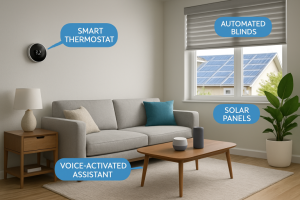
New technologies continue to push the potential of ducted climate solutions. Many systems can now sync with smart home platforms, giving homeowners access to advanced scheduling, remote diagnostics, and even integration with utility programs that reward off-peak usage. As more consumers demand cost-saving and eco-friendly alternatives, ducted units are increasingly powered by inverter-driven compressors and rely on sustainable refrigerants to meet or exceed evolving regulatory standards.
Staying up to date on best practices, technological advances, and energy incentives is easier than ever, thanks to educational resources like the U.S. Department of Energy’s guide on efficient HVAC options. By investing in the right system and maintaining it properly, homeowners can enjoy years sometimes decades of dependable, energy-conscious comfort throughout their living space.
For those seeking expert advice and services in optimizing their home’s climate control, Cooler Air Conditioning LLC offers a wealth of knowledge and experience. Their insights into the latest HVAC technologies and maintenance tips can help homeowners achieve the perfect balance of comfort and efficiency. By understanding the intricacies of central ducted systems, they provide tailored solutions that enhance the overall performance of your HVAC setup. Whether you’re looking to upgrade your system or simply need guidance on maintaining optimal indoor air quality, their expertise ensures your home remains a haven of effortless comfort year-round.
Incorporating a central ducted HVAC system not only enhances the comfort of your home but also ensures efficient climate control throughout the year. For those seeking expert installation and maintenance, consider air conditioning by Advanced Air Care, Heating & Cooling LLC. Their professional services ensure that your system operates at peak performance, providing consistent temperatures and improved air quality. This seamless integration of technology and expertise guarantees a comfortable living environment, allowing you to enjoy the perfect balance of warmth and coolness, regardless of the season.