Storms and severe weather can leave behind more than just visible damage. They can create safety hazards that demand immediate and careful attention. In Wilmington, where changing weather conditions can lead to sudden structural issues, responding to these emergencies with a focus on safety becomes essential. Whether it’s a residential or commercial structure, the approach to emergency repair plays a significant role in minimizing risk.
The Role of Safety in Emergency Response
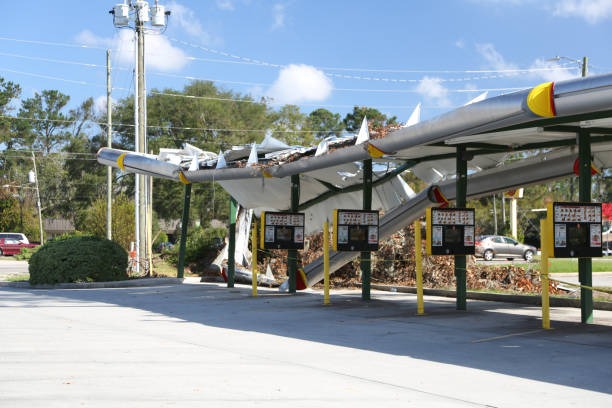
When a roof sustains storm-related damage, the first priority is not just to repair but to secure the site. This is where experienced emergency roofing services in Wilmington take the lead. Their process often begins with a rapid yet structured assessment to determine whether the site is safe for workers, residents, and passersby. Hazards like exposed electrical lines, weakened supports, and loose debris are addressed before any tools are lifted.
Site Assessments and Safety Protocols
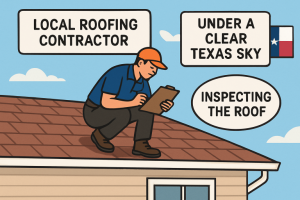
Before repair crews begin their work, a full site evaluation helps identify potential dangers. Professionals trained in emergency response check for structural weaknesses that could worsen during the repair. Safety barriers, warning signage, and restricted access areas are established to protect homeowners and workers alike. Fall prevention gear and harness systems are standard tools used by teams to ensure safety while working at heights. Additionally, crews review local code requirements to make sure temporary repairs do not violate safety regulations. Attention to detail in the early stages can help avoid complications during follow-up work or inspections.
Handling Weather-Related Complications
In Wilmington, emergency work is often affected by unpredictable weather. Lightning risks, wet surfaces, and gusty winds can turn an already dangerous task into a critical hazard. When conditions aren’t suitable for repair, professionals may install temporary coverings like tarps to prevent further damage until conditions improve. These teams stay informed with real-time weather updates to avoid working in unsafe environments.
Use of Specialized Equipment and Techniques
Safe emergency repair often depends on using the right equipment. Extension ladders with stabilizers, slip-resistant boots, and debris management tools reduce the chances of accidents. Teams often use drones or remote cameras for initial assessments, allowing them to evaluate damage from a safe distance. These tools are especially valuable for steep or compromised structures.
Training and Team Coordination
Another core element of safety-first emergency repair is teamwork and training. Certified crews follow established safety standards, often reviewed through ongoing education. In Wilmington, where the demands of weather can vary significantly from season to season, regular training ensures that workers remain ready for different scenarios. Good communication on-site also helps teams coordinate movements and reduce the likelihood of missteps.
Protecting the Property and the People
Emergency repair is not only about fixing damage but also about limiting additional risk. By securing loose materials, removing sharp debris, and ensuring that support structures are stabilized, crews reduce the chance of injuries or further deterioration. This proactive approach is key to preserving the long-term condition of buildings throughout Wilmington. Property owners benefit when professionals act promptly and with safety as their guiding principle.
In storm-affected areas like Wilmington, safety cannot be an afterthought when dealing with structural repairs. The involvement of experienced emergency roofing services in Wilmington helps ensure that every action taken is grounded in caution, professionalism, and awareness of the risks involved. Their comprehensive planning, use of proper equipment, and focus on safe practices help protect both people and properties when time is of the essence.